
pork fillet recipe slow cooker

The Best pork fillet recipe slow cooker
What I really appreciate about this recipe is how balanced it is. Pork fillet is lean but still packed with protein, and when you slow cook it, it stays juicy without needing a ton of added fat. I usually throw in some veggies like carrots or potatoes, so it’s a full meal in one pot. It’s also great for meal prep—leftovers reheat perfectly, and it’s just as good the next day. Whether it’s a busy Tuesday or a lazy Sunday, this dish fits right in. Plus, it’s one of those recipes that doesn’t require much attention, which is a win when you’ve got a million other things going on.
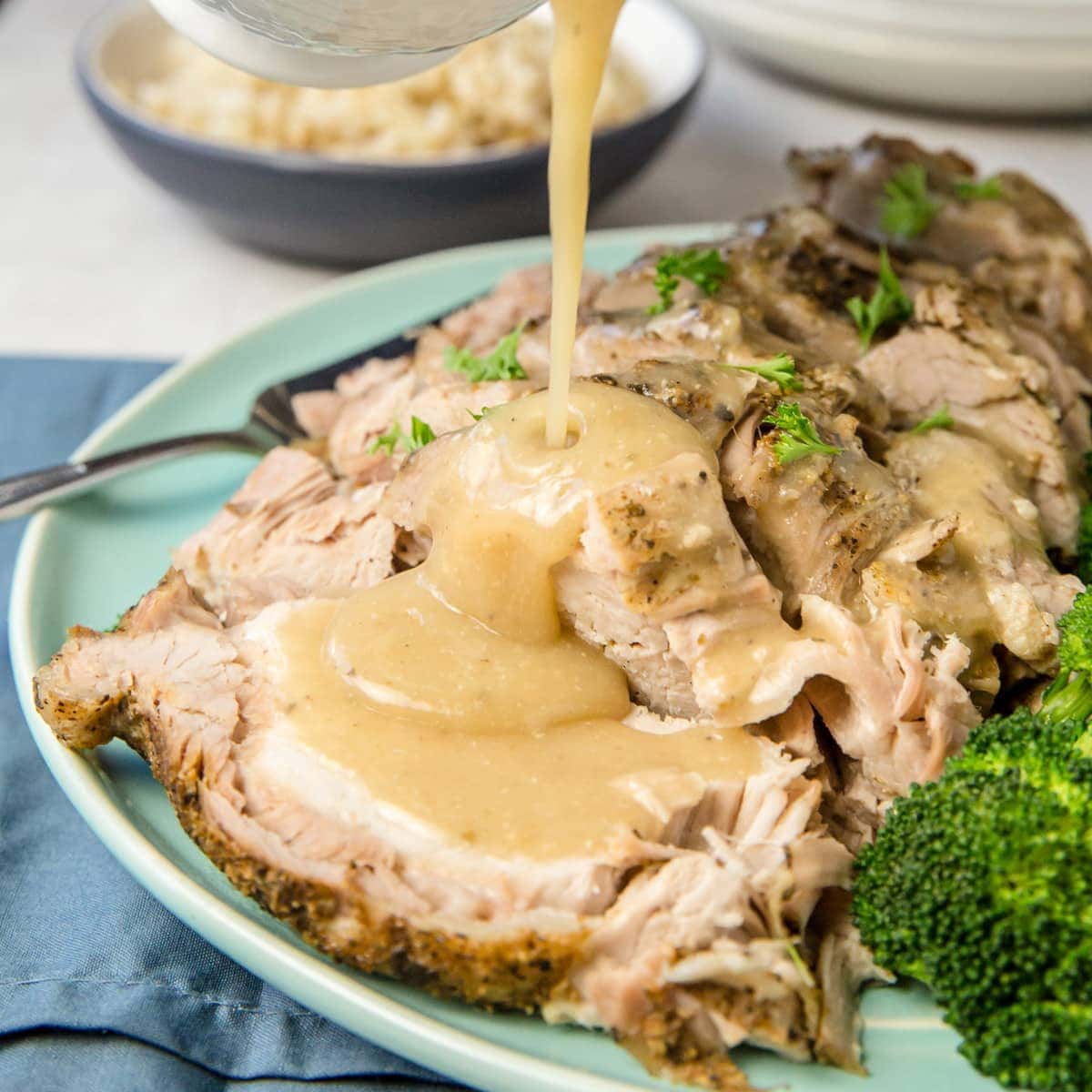
Slow Cooker Honey Garlic Pork Fillet
Tender and flavorful pork fillet slow-cooked in a sweet and savory honey garlic sauce. This easy recipe requires minimal prep and delivers maximum taste with fall-apart meat.
🥘Ingredients
- 1.5 lbs (700g) pork fillet (tenderloin)
- 1 tsp salt
- 1/2 tsp black pepper
- 1 tsp paprika
- 1 tbsp olive oil
- 1/3 cup honey
- 1/4 cup soy sauce (low sodium preferred)
- 3 cloves garlic, minced
- 1 tbsp rice vinegar
- 1 tbsp ketchup
- 1 tsp grated ginger
- 1/2 tsp red pepper flakes (optional)
- 1 tbsp cornstarch + 2 tbsp water (for thickening)
- 2 green onions, sliced
- 1 tsp sesame seeds
👨🍳Directions
-
1
Pat the pork fillet dry with paper towels and season all over with salt, pepper, and paprika. -
2
Heat olive oil in a skillet over medium-high heat. Sear the pork on all sides until golden brown (about 2-3 minutes per side). Transfer to the slow cooker. -
3
In a mixing bowl, whisk together honey, soy sauce, minced garlic, rice vinegar, ketchup, ginger, and red pepper flakes (if using). Pour the sauce over the pork in the slow cooker. -
4
Cover and cook on LOW for 4 hours or on HIGH for 2-3 hours, until the pork is tender and easily shreds with a fork. -
5
Remove the pork from the slow cooker and shred or slice it. Skim excess fat from the sauce if needed. -
6
In a small bowl, mix cornstarch with water to create a slurry. Stir the slurry into the slow cooker sauce and cook on HIGH for an additional 10-15 minutes, until thickened. -
7
Return the pork to the slow cooker and toss to coat in the sauce. Garnish with sliced green onions and sesame seeds before serving. -
8
Serve hot with steamed rice, roasted vegetables, or noodles.
🔧Equipment
- Slow cooker
- Skillet or frying pan
- Mixing bowl
- Whisk
- Measuring cups and spoons
- Knife and cutting board
📊Nutrition Facts (per serving)
📝Notes
Watch Video Of How Slow Cooker Honey Garlic Pork Fillet Works
❓ Frequently Asked Questions About Slow Cooker Honey Garlic Pork Fillet
1. Can I use frozen pork fillet in the slow cooker?
Yes, you can use frozen pork fillet in the slow cooker, but it’s best to thaw it first for even cooking. If using frozen, add at least 1–2 extra hours to the cooking time on low heat to ensure it reaches a safe internal temperature (145°F/63°C). For best results, sear the pork first if possible.
2. How long should I cook pork fillet in the slow cooker?
Pork fillet typically takes 4–6 hours on low or 2–3 hours on high in a slow cooker. The exact time depends on the size of the fillet and your slow cooker’s settings. Always check that the internal temperature reaches 145°F (63°C) before serving.
3. Do I need to sear the pork fillet before slow cooking?
Searing is optional but highly recommended. Browning the pork first enhances flavor and texture by creating a caramelized crust. If short on time, you can skip it, but the dish may lack depth. Use a hot pan with oil and sear all sides for 2–3 minutes before transferring to the slow cooker.
4. What liquids can I use in the slow cooker with pork fillet?
Common liquids include broth (chicken, vegetable, or pork), apple juice, white wine, or a mix of soy sauce and honey. Avoid plain water, as it can dilute flavors. Use about ½–1 cup of liquid to keep the pork moist without overpowering it.
5. Can I add vegetables to the slow cooker with pork fillet?
Absolutely! Root vegetables like carrots, potatoes, and onions work well and cook evenly. Add them at the start if they’re hard (e.g., potatoes), or in the last 1–2 hours if using softer veggies (e.g., bell peppers, zucchini) to prevent mushiness. Cut them into even-sized pieces for consistent cooking.


