
shortbread crust recipe

The Best shortbread crust recipe
I love this crust because it’s versatile enough to fit into any occasion—whether it’s a holiday gathering, a simple Sunday dinner, or just a quiet afternoon snack. It’s easy to make ahead and store, so you can prep it in advance without worrying about it going stale. And honestly, it’s surprisingly light on calories compared to other pastries. The fat content comes from the butter and shortening, but the texture is so light that it doesn’t feel indulgent. Plus, it’s a great way to use up any leftover flour or sugar without wasting anything. My kids and I have made it countless times, and it’s always a favorite. It’s the kind of recipe that feels like a little indulgence without the guilt.
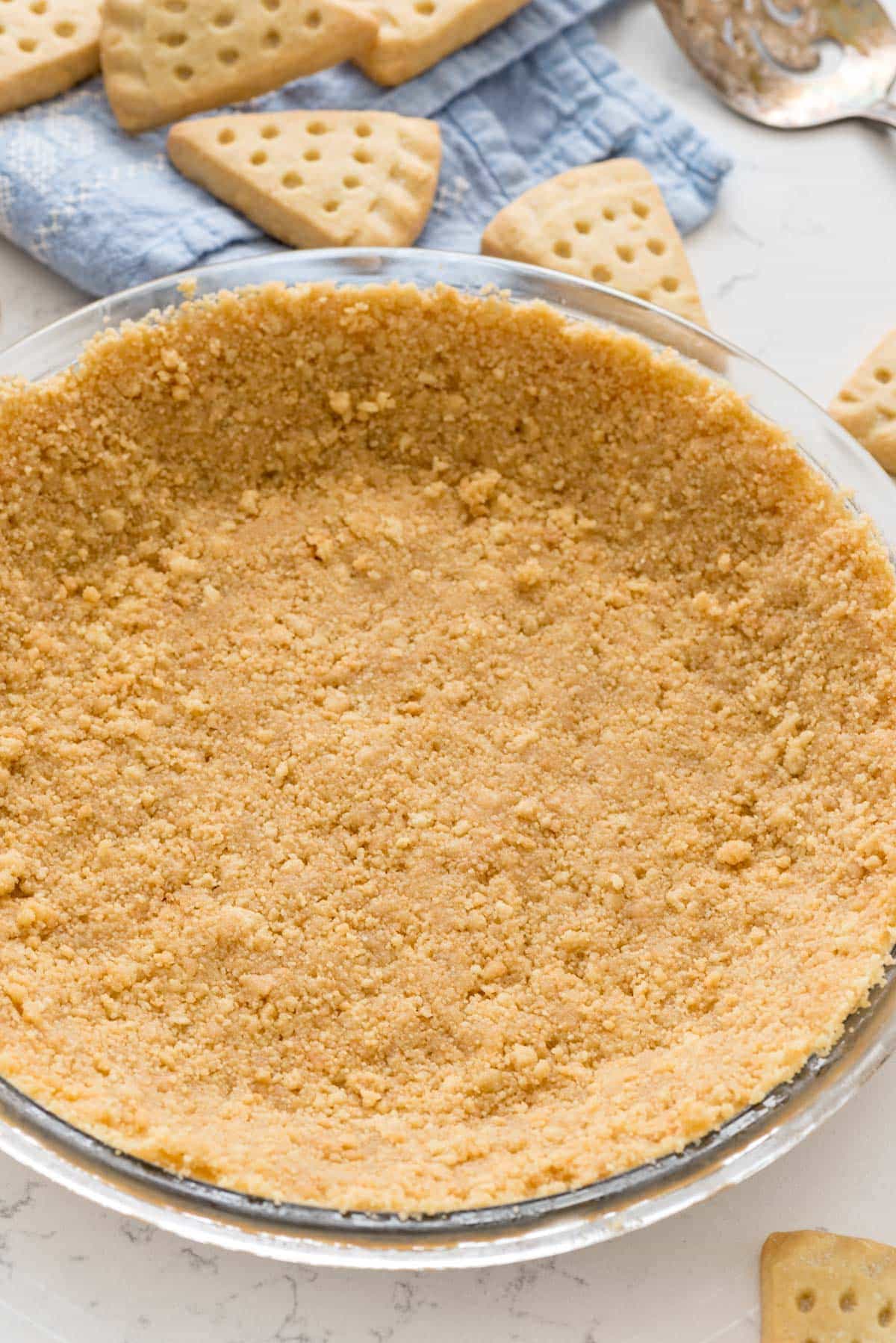
Classic Shortbread Crust Recipe
A buttery, flaky shortbread crust perfect for pies, tarts, or desserts. Lightly sweetened and crisp, it’s ideal for pairing with savory fillings or fruit compotes.
🥘Ingredients
- 2 cups all-purpose flour
- 1 cup unsalted butter, cold and cubed
- 1 tsp salt
- 1/4 cup granulated sugar
👨🍳Directions
-
1
Preheat oven to 350°F (175°C). Line a baking sheet with parchment paper. -
2
In a food processor, pulse flour, salt, and sugar until combined. Add cold butter and pulse until the mixture resembles coarse crumbs. -
3
Transfer the dough to a lightly floured surface and gently knead until it forms a smooth, soft disc. Wrap in plastic and chill for 30 minutes. -
4
Roll the dough to 1/4-inch thickness. Cut into circles or shapes using a cookie cutter. Place on the baking sheet. -
5
Bake for 15–18 minutes until edges are lightly golden. Let cool before using.
🔧Equipment
- Mixing bowl
- Food processor or rolling pin
- Baking sheet
- Parchment paper
- Piping bag or ziplock bag
📊Nutrition Facts (per serving)
📝Notes
Watch Video Of How Classic Shortbread Crust Recipe Works
❓ Frequently Asked Questions About Shortbread Crust
1. What is the best way to store this shortbread crust to keep it fresh?
Store the crust in an airtight container at room temperature for up to three days. For longer storage, freeze it in a single layer on a baking sheet before transferring to a ziplock bag or airtight container. Thaw in the fridge overnight before using.
2. Can I substitute butter for a different type of fat in this recipe?
Yes, you can use vegetable shortening or coconut oil in place of the butter, but the texture may differ slightly. Shortening will create a firmer crust, while coconut oil may add a subtle sweetness and slight graininess.
3. Why does the crust sometimes turn out too crumbly or dense?
Overmixing or using too much flour can make the crust dense. For a lighter texture, gently fold the flour into the butter mixture just until combined—don’t beat it. If it’s too crumbly, lightly press the dough into the pan before baking to help it hold shape.
4. How do I prevent the crust from cracking while baking?
Avoid overmixing the dough, and ensure the oven is preheated to the correct temperature. If the crust cracks, it’s usually fine—just trim the edges and bake until golden. For extra stability, chill the dough for 30 minutes before baking if it’s too soft.
