
chinese eggplant recipe

The Best chinese eggplant recipe
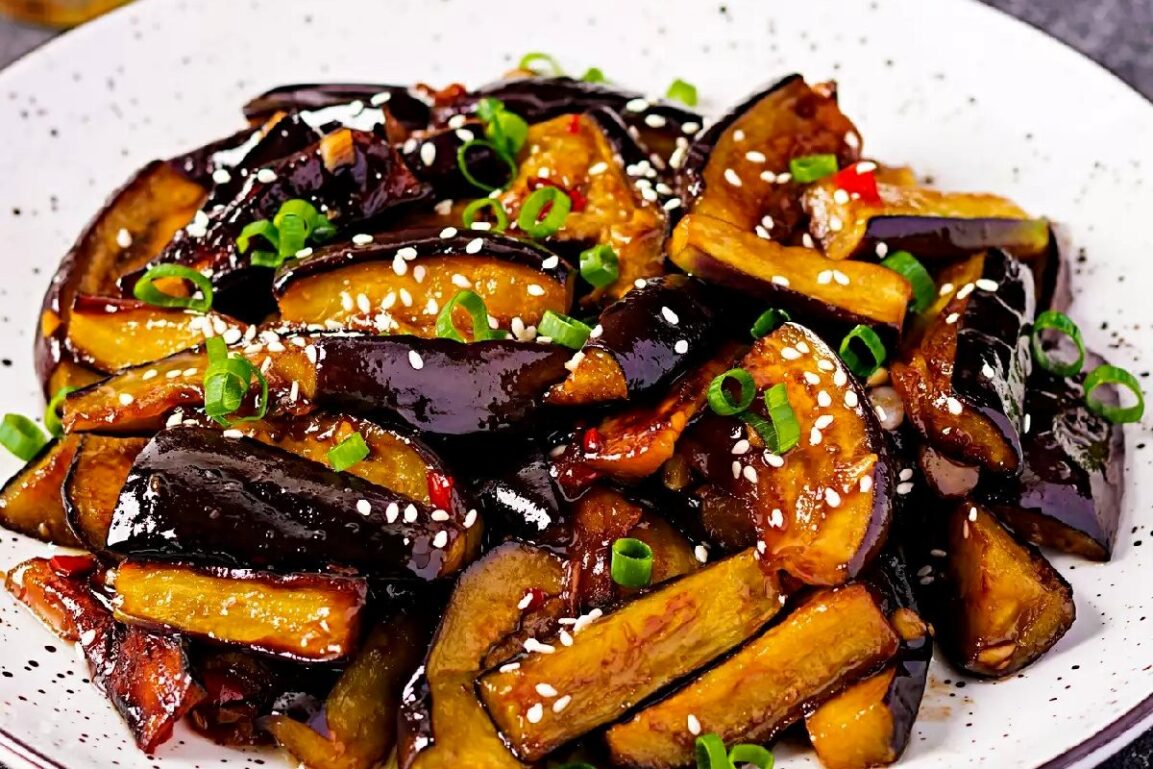
Chinese Stir-Fried Eggplant with Garlic Sauce
A flavorful and healthy dish featuring tender eggplant stir-fried in a savory garlic sauce, perfect for a quick weeknight meal. This recipe is a must-try for any occasion.
🥘Ingredients
- 2 medium eggplants, sliced into ½-inch rounds
- 2 tbsp vegetable oil
- 2 tbsp soy sauce
- 1 tbsp oyster sauce
- 1 tbsp rice vinegar
- 1 tbsp sesame oil
- 2 cloves garlic, minced
- 1 tsp grated ginger
- 1 tsp sugar
- ½ tsp red pepper flakes (optional)
- 1 tbsp chopped green onions
- 1 tsp toasted sesame seeds
👨🍳Directions
-
1
Slice eggplants into even rounds and pat dry with a paper towel to remove excess moisture. -
2
Heat oil in a stir-fry pan over medium-high heat. Stir-fry eggplant slices for 2-3 minutes until slightly softened but still crisp. Remove and set aside. -
3
In the same pan, sauté garlic and ginger for 30 seconds until fragrant. Add soy sauce, oyster sauce, rice vinegar, sesame oil, sugar, and red pepper flakes. Stir well. -
4
Return eggplant slices to the pan, tossing to coat evenly in the sauce. Cook for another 3-4 minutes until heated through. -
5
Garnish with chopped green onions and sesame seeds. Serve hot with steamed rice.
🔧Equipment
- Stir-fry pan
- Cutting board
- Knife
- Measuring spoons
📊Nutrition Facts (per serving)
📝Notes
Tips
- For extra flavor, add a splash of fish sauce or a pinch of five-spice powder.
- Use a mix of eggplant varieties (like black or white) for added texture.
- Store leftovers in an airtight container for up to 3 days.
Variations
- Add bell peppers, mushrooms, or carrots for a veggie-packed twist.
- Serve with a side of spicy chili oil for an extra kick.
Watch Video Of How Chinese Stir-Fried Eggplant with Garlic Sauce Works
❓ Frequently Asked Questions About Chinese Stir-Fried Eggplant with Garlic Sauce
1. What is the traditional Chinese eggplant dish called, and why is it popular?
The traditional Chinese eggplant dish is often referred to as “Gua Ba” (挖巴) or “Bai Gu” (白瓜), though the most common and widely known dish is “Stir-Fried Eggplant with Garlic and Chili” (辣椒炒茄子). It’s popular because eggplants are versatile, absorb flavors well, and pair beautifully with savory, spicy, or sweet ingredients. The dish highlights the eggplant’s mild, slightly bitter taste when cooked properly, making it a staple in Chinese home cooking.
—
2. What ingredients are typically used in a classic Chinese stir-fried eggplant recipe?
A classic Chinese stir-fried eggplant recipe usually includes:
– Eggplants (Chinese eggplants, also called “long eggplants,” are preferred for their tender texture).
– Garlic (minced or crushed for aromatic depth).
– Chili peppers (such as Sichuan peppercorns, red chili, or green chilies for heat).
– Oil (peanut oil or vegetable oil for a nutty flavor).
– Soy sauce (light or dark, depending on preference).
– Salt (for seasoning).
– Sugar or brown sugar (to balance bitterness, optional).
– Sesame oil (for finishing, adds nutty aroma).
– Optional add-ins: Dried shrimp, pork belly, tofu, or scallions for extra flavor.
—
3. How do I choose the right eggplant for Chinese stir-frying?
For Chinese stir-fried eggplant, choose:
– Chinese eggplants (长茄, Zhǎng qié) – These are elongated, thin-skinned, and tender, absorbing flavors exceptionally well. They have a mild, slightly sweet taste and a delicate texture.
– Avoid overly large or waxy eggplants (like Italian eggplants), as they can be too watery or bitter when cooked.
– Freshness matters: Pick eggplants that are firm to the touch, with no soft spots or shriveled skin. The stems should be green and intact.
—
4. What’s the best way to prepare eggplants before stir-frying to avoid bitterness?
To reduce bitterness and enhance tenderness, follow these steps:
1. Salt the eggplants – Cut them into thick slices or half-moons, then sprinkle generously with salt. Let them sit for 15–20 minutes while you prep other ingredients. This draws out excess moisture.
2. Rinse and pat dry – After salting, rinse under cold water and pat them dry with a clean towel. Excess moisture can prevent proper searing.
3. Optional: Blanching – For extra tenderness, blanch slices in boiling water for 1–2 minutes, then shock in ice water before stir-frying.
4. Avoid overcrowding – Cook in batches if needed to ensure even cooking and crispiness.
—
5. Can I substitute other vegetables or proteins in this recipe, and how would it change the dish?
Yes! Here are some common substitutions and how they affect the dish:
– Vegetables:
– Zucchini or cucumber – Adds a crunchier texture but may require less cooking time.
– Bell peppers – Sweetens the dish; pair well with garlic and chili.
– Mushrooms (shiitake or wood ear) – Adds umami depth; stir-fry until tender.
– Proteins:
– Pork belly or ribs – Adds richness; marinate in soy sauce and sugar for extra flavor.
– Tofu (firm or extra-firm) – Crisp it in oil before adding to the stir-fry for a hearty texture.
– Dried shrimp or scallops – Brings a briny, luxurious touch (common in Cantonese-style dishes).
– Dairy (optional) – A splash of soy milk or fresh cream can add creaminess, but it’s not traditional.
—
6. How do I achieve a crispy texture in stir-fried eggplant?
For perfectly crispy eggplant, follow these techniques:
1. High heat & quick cooking – Use a wok or large skillet on medium-high to high heat. Stir-fry immediately after blanching or salting to prevent sogginess.
2. Pat dry thoroughly – Moisture steams the eggplant instead of crisping it. Use paper towels to absorb excess water.
3. Sear first – Cook the eggplant in batches, searing it on all sides until golden brown (about 2–3 minutes per side).
4. Avoid overcrowding – Too much eggplant at once lowers the heat and leads to steaming. Cook in smaller batches if needed.
5. Use the right oil – Peanut oil or high-smoke-point oils (like avocado or vegetable oil) help achieve a crispy exterior.
6. Finish with sesame oil – Sprinkle a few drops of high-quality sesame oil over the last minute of cooking for extra flavor and a glossy finish.

