
biscoff cheesecake recipe

The Best biscoff cheesecake recipe
I love this recipe because it’s balanced—sweet but not cloying, creamy but not too heavy. The Biscoff adds a little extra depth that most cheesecakes just don’t have, and it makes the whole thing feel special. My husband and I have made it for holidays, for little get-togethers, and even just for ourselves when we’re in the mood for something comforting. Plus, it’s not too much work, which is always a plus when you’ve got kids running around. And the best part? It’s actually pretty good for you in a way—it’s got protein from the cheesecake mix, healthy fats from the cream cheese and Biscoff, and a little extra fiber from the graham cracker crust. It’s not like you’re eating some sad, sad dessert, but it’s still something you can enjoy without feeling like you’ve overdone it. My kids love it, my husband loves it, and honestly, I think it’s just as good as the day it was made.
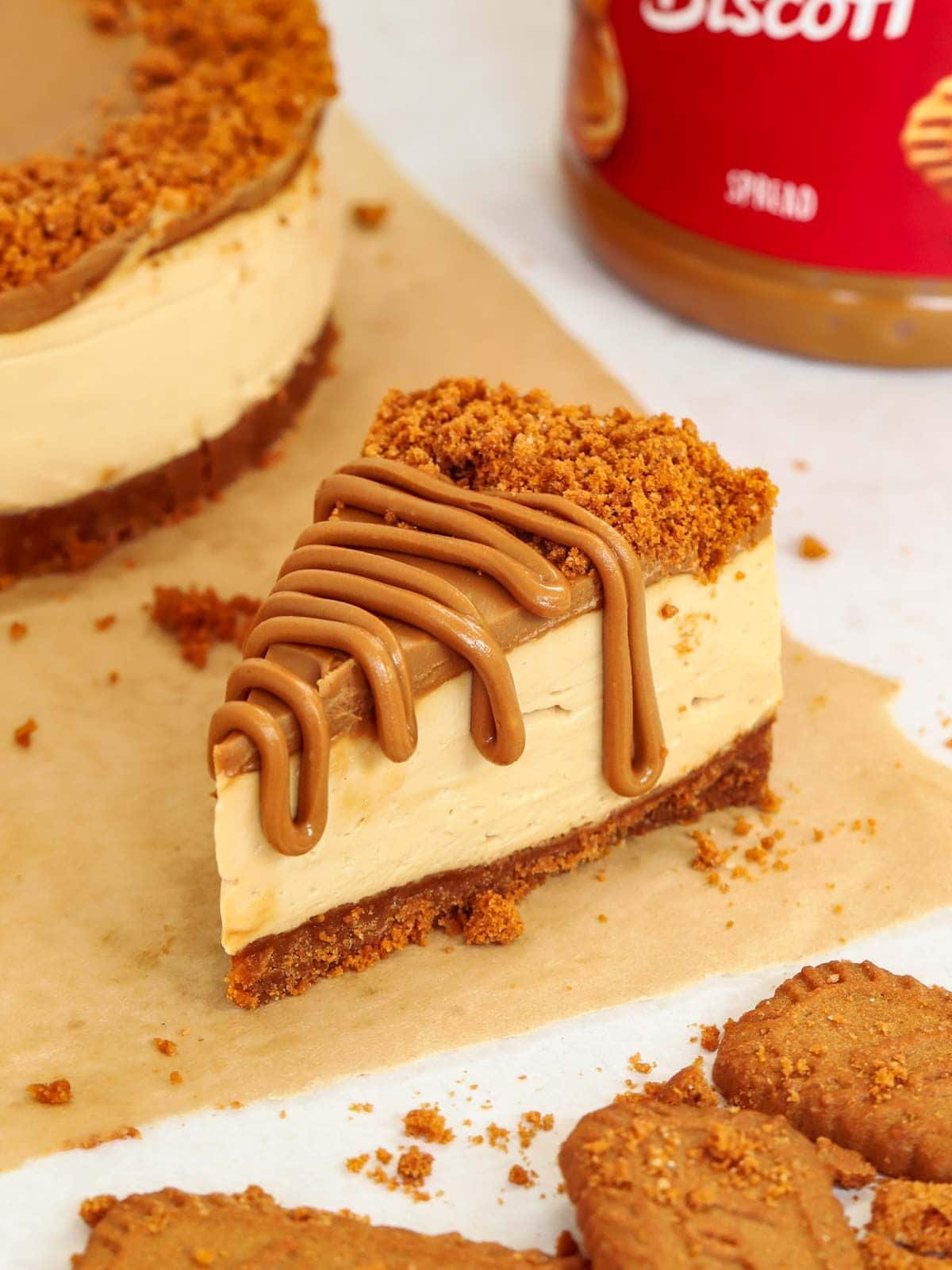
Biscoff Cheesecake
A decadent cheesecake infused with the rich, caramelized flavor of Biscoff syrup, topped with a creamy Biscoff glaze. This recipe is a must-try for any occasion.
🥘Ingredients
- 1 ½ cups graham cracker crumbs
- 8 tbsp unsalted butter, melted
- 2 tbsp Biscoff syrup
- 1 tsp vanilla extract
- 16 oz cream cheese, softened
- 1 ½ cups granulated sugar
- 3 large eggs
- 1 tsp vanilla extract
- 1 cup heavy cream
- ½ cup Biscoff syrup
- ½ cup heavy cream
- ½ cup powdered sugar
- ¼ cup Biscoff syrup
- 1 tsp vanilla extract
👨🍳Directions
-
1
Preheat oven to 325°F (165°C). Line a 9-inch springform pan with parchment paper. -
2
Mix graham cracker crumbs, melted butter, Biscoff syrup, and vanilla extract in a bowl. Press firmly into the bottom of the springform pan to form the crust. Chill in the fridge for 15 minutes. -
3
Beat cream cheese and sugar together until smooth and creamy. Add eggs one at a time, mixing well after each addition. Stir in vanilla extract and Biscoff syrup. -
4
In a separate bowl, whip heavy cream to stiff peaks. Gently fold half of the whipped cream into the cheesecake batter. Then, fold in the remaining whipped cream. -
5
Pour the cheesecake batter evenly over the chilled crust. Bake for 45–50 minutes or until the edges are set but the center is slightly jiggly. Allow it to cool in the pan for 1 hour, then refrigerate for at least 4 hours. -
6
For the glaze, heat heavy cream until steaming. Remove from heat and whisk in powdered sugar, Biscoff syrup, and vanilla extract until smooth. Pour over the chilled cheesecake and let it set for 1 hour in the fridge.
🔧Equipment
- Mixing bowls (2 medium)
- Electric mixer or stand mixer
- 9-inch springform pan
- Piping bag or ziplock bag with corner cut off
- Rubber spatula
- Oven
📊Nutrition Facts (per serving)
📝Notes
- For a lighter version, reduce sugar to 1 cup and use 1% milk instead of heavy cream in the filling.
- Ensure the Biscoff syrup is fully melted before mixing into the crust.
- Store in an airtight container in the fridge for up to 5 days or freeze for up to 3 months.
Watch Video Of How Biscoff Cheesecake Works
❓ Frequently Asked Questions About Biscoff Cheesecake
What is the secret to achieving a smooth and creamy texture in Biscoff Cheesecake?
The secret lies in using a mix of room-temperature ingredients—like cream cheese and butter—and blending them well before folding in the Biscoff crumbs. Chilling the filling for at least 2 hours ensures the layers set properly without a runny texture. Additionally, avoiding overmixing the batter helps maintain a delicate, creamy consistency.
Can I substitute Biscoff crumbs with another flavor or ingredient?
While Biscoff crumbs are iconic for this recipe, you can experiment with alternatives like crushed graham crackers, chocolate chips, or even caramelized nuts for a twist. However, for the classic flavor, Biscoff remains the best choice—its buttery-sweet taste pairs perfectly with the cheesecake base.
How do I prevent the cheesecake from cracking or sinking during baking?
To avoid cracks, pre-bake the graham cracker crust until it’s golden and fully set (about 12–15 minutes). Overfilling the crust can cause sinking, so use a spatula to smooth the filling evenly before baking. Chilling the cheesecake for at least 4 hours (or overnight) helps stabilize the structure. If cracks appear, cover them with extra crumbs or a thin layer of whipped cream before serving.
What if I don’t have a water bath (bain-marie) for baking?
A water bath isn’t strictly necessary, but it helps prevent a soggy crust and ensures even baking. If you can’t use one, bake the cheesecake on the middle rack of the oven and check for doneness with a knife test—it should come out clean. For a quicker alternative, place a baking sheet with hot water near the oven for humidity.
How long can I store the Biscoff Cheesecake, and how should I reheat it?
Store the cheesecake in the fridge for up to 5 days in an airtight container. To reheat, warm it gently in the microwave (30-second bursts) or place it in a preheated 300°F (150°C) oven for 10–15 minutes to soften the top without melting the filling. Avoid overheating to prevent a rubbery texture.

