
apple cider vinaigrette recipe

The Best apple cider vinaigrette recipe
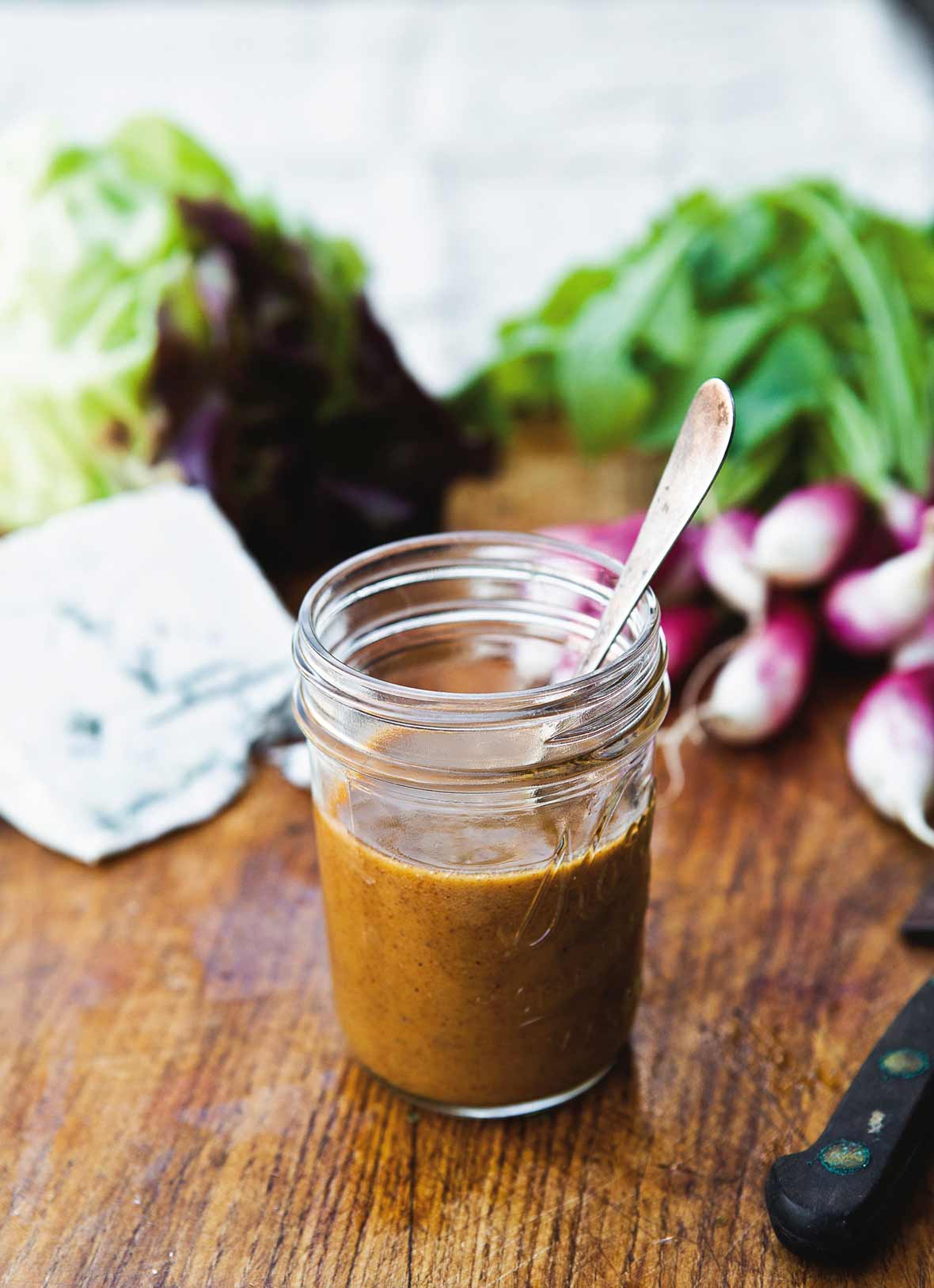
Apple Cider Vinaigrette
A refreshing and tangy dressing made with apple cider, a touch of honey, and fresh herbs, perfect for salads, grilled vegetables, or as a marinade. This recipe is a must-try for any occasion.
🥘Ingredients
- 3/4 cup apple cider vinegar
- 1/4 cup apple cider
- 1/4 cup extra-virgin olive oil
- 1 tbsp honey or maple syrup
- 1 small shallot, finely minced
- 2 cloves garlic, minced
- 1 tbsp fresh thyme leaves (or 1 tsp dried)
- 1 tbsp fresh rosemary, finely chopped (or 1 tsp dried)
- 1/2 tsp salt (or to taste)
- 1/4 tsp black pepper (or to taste)
👨🍳Directions
-
1
In a medium mixing bowl, combine apple cider vinegar, apple cider, olive oil, honey, shallot, garlic, thyme, and rosemary. -
2
Whisk all ingredients together until the mixture is well combined and emulsified. -
3
Taste and adjust seasoning with salt and pepper if needed. For a smoother texture, strain through a fine-mesh sieve if desired. -
4
Transfer the vinaigrette to a sealed container and refrigerate for at least 30 minutes before using to allow flavors to meld.
🔧Equipment
- Whisk or fork
- Medium mixing bowl
- Fine-mesh strainer (optional)
📊Nutrition Facts (per serving)
📝Notes
- For a deeper flavor, add 1/2 tsp Dijon mustard or a pinch of smoked paprika.
- Use within 1 week for best taste.
- Great for drizzling over mixed greens, grilled chicken, or roasted vegetables.
Watch Video Of How Apple Cider Vinaigrette Works
❓ Frequently Asked Questions About Apple Cider Vinaigrette
1. What is the primary purpose of using apple cider vinegar in this vinaigrette recipe?
Apple cider vinegar serves as the base for this vinaigrette, providing a bright, tangy flavor that cuts through rich ingredients like olive oil and adds a subtle sweetness from the apple cider. It also helps balance the dish by introducing acidity, enhancing texture, and acting as a natural preservative.
—
2. Can I substitute another type of vinegar if I don’t have apple cider vinegar?
While apple cider vinegar is ideal, you can use balsamic vinegar (for a richer, slightly sweet taste) or white wine vinegar (for a crisp, clean flavor). For a milder tang, rice vinegar can work but may lack depth. Avoid citrus-based vinegars like lemon or lime, as they’ll overpower the dish.
—
3. Why does the recipe call for Dijon mustard instead of regular white mustard?
Dijon mustard adds a slightly pungent, grainy texture that enhances the vinaigrette’s complexity, while white mustard would make it too sharp and thin. The fine grains of Dijon also help emulsify the dressing better, creating a smoother consistency. If you can’t find Dijon, whole-grain mustard can work but may require extra whisking.
—
4. How long can I store the apple cider vinaigrette in the fridge?
This vinaigrette is best consumed within 1–2 weeks in an airtight container in the fridge. The acidity helps preserve it, but over time, the flavors may soften or separate slightly. For longer storage, consider adding a pinch of salt or a splash of honey to extend freshness.
—
5. Can I make this vinaigrette ahead of time, and how should I store it?
Yes! You can prepare it 1–2 days ahead and store it in a sealed container in the fridge. To prevent separation, give it a quick stir before using. If it thickens or develops a grainy texture, whisk it vigorously or add a splash of water to restore smoothness. Avoid reheating, as heat can alter the flavors.
