
pig feet recipe

The Best pig feet recipe
What I love most about pig’s feet is how versatile they are. You can make them for a big occasion—like Christmas or Thanksgiving—or just for a cozy weeknight dinner when everyone’s craving something rich and comforting. They’re packed with collagen and protein, which makes them great for keeping you full without feeling heavy. My kids have been telling me how they’ve noticed their skin looking better since we started eating them more often, and honestly? I’m not surprised. They’re also really forgiving—if one foot isn’t perfect, you can just cut the meat off and use it anyway. Plus, the kids love the way they turn crispy in the oven, and it’s a fun little activity to watch them dig in. It’s not just food; it’s a little ritual, and that’s what makes it special. Plus, it’s a great way to use up a part of the pig that might otherwise go to waste.
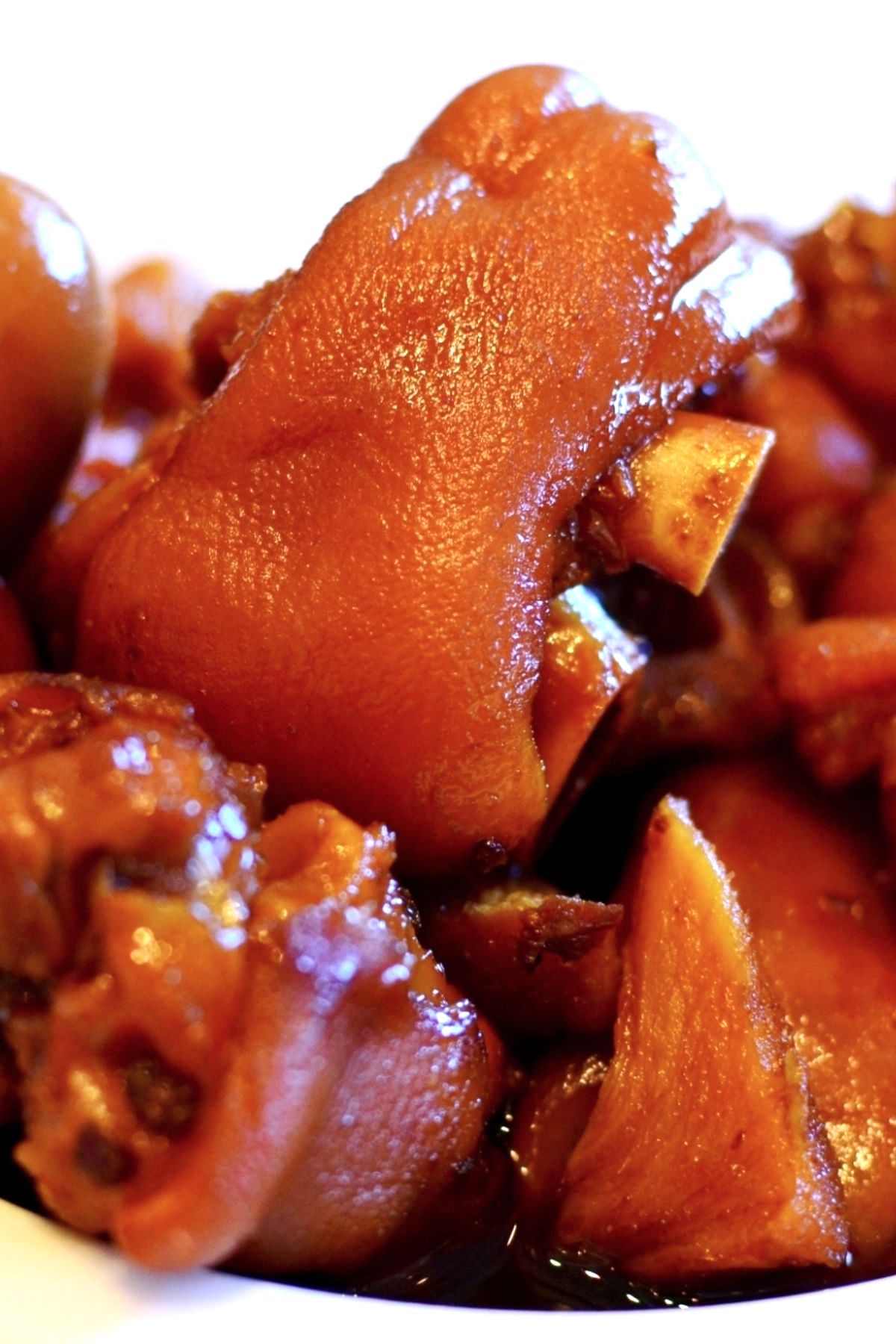
Traditional Moroccan Pig Feet (Kebsa)
A flavorful Moroccan dish featuring tender pig feet slow-cooked in a rich tomato-based sauce with spices, garlic, and onions. Perfect for a hearty meal with crispy skin and tender meat.
🥘Ingredients
- 1 cup all-purpose flour
- 1 tsp salt
- 1/2 cup warm water
- 1 lb pig feet (cleaned and trimmed)
- 3 tbsp olive oil
- 3 cloves garlic, minced
- 1 large onion, finely chopped
- 4 tbsp tomato paste
- 1 can (14 oz) crushed tomatoes
- 1 tsp ground cumin
- 1 tsp ground coriander
- 1 tsp paprika
- 1/2 tsp turmeric
- 1 bay leaf
- Salt and black pepper to taste
- 1 tbsp honey or sugar (optional)
- Fresh cilantro, chopped
- Lemon wedges
- Warm flatbread or pita
👨🍳Directions
-
1
Prep the pig feet: Rinse and pat dry. Trim off any excess fat or connective tissue. If making a dough, mix flour, salt, and water into a dough. Roll it out thinly and cut into strips. -
2
Sauté aromatics: In a large pot, heat olive oil over medium heat. Add minced garlic and chopped onion, sautéing until fragrant (~3 mins). -
3
Cook the base: Stir in tomato paste, crushed tomatoes, cumin, coriander, paprika, turmeric, bay leaf, salt, and pepper. Cook for 5 minutes until slightly thickened. -
4
Simmer the meat: Add pig feet (and dough strips if using) to the pot. Pour in honey/sugar (if using) and bring to a boil. Reduce heat, cover, and simmer for 1.5 to 2 hours, or until meat is tender and easily shreds. -
5
Crisp the skin (optional): For extra crunch, transfer pig feet to a baking sheet and bake at 400°F (200°C) for 10–15 minutes until golden brown. -
6
Serve hot: Garnish with chopped cilantro and lemon wedges. Pair with warm flatbread or pita to soak up the sauce.
🔧Equipment
- Large pot or Dutch oven
- Mixing bowls
- Knife and cutting board
- Wooden spoon
- Measuring cups and spoons
- Oven (optional, for crisping feet)
📊Nutrition Facts (per serving)
📝Notes
Tips
- For extra flavor, add a pinch of cinnamon or cardamom to the marinade.
- Substitute pig feet with chicken feet or duck feet if unavailable.
- Let the dish rest for 10 minutes before serving to allow flavors to meld.
- Store leftovers in an airtight container for up to 3 days; reheat gently to avoid drying out the meat.
Adaptations
- Vegetarian option: Use mushrooms or chickpeas in place of meat, and enhance with extra spices like smoked paprika or za’atar.
Watch Video Of How Traditional Moroccan Pig Feet (Kebsa) Works
❓ Frequently Asked Questions About Moroccan Pig Feet (Kebsa)
1. What are the main ingredients required for making pig’s feet (or pork trotters) and how do they differ from other meat dishes?
Pig’s feet (or pork trotters) primarily consist of the ankles, feet, and sometimes the shins of a pig, which are rich in collagen and gelatin. The key ingredients include the feet themselves, water, salt, and sometimes aromatics like garlic, onions, or bay leaves. Unlike other meat dishes, pig’s feet are often slow-cooked to break down the connective tissue, resulting in a tender, gelatinous texture. The dish is traditionally braised in broth or water, which helps extract the collagen into a flavorful sauce.
2. How long should I cook pig’s feet for to achieve a tender and flavorful result?
The cooking time for pig’s feet depends on the cut and your desired texture. For whole trotters, you can start by boiling them for 1.5 to 2 hours until they become soft. Then, transfer them to a pot with water, salt, and aromatics (like garlic, bay leaves, or herbs) and simmer for another 2 to 4 hours on low heat. For cut-up feet, reduce the time to 1.5 to 2.5 hours in total. The key is to cook them until the meat is falling off the bones, and the gelatin has fully dissolved into the broth.
3. What are the best ways to flavor pig’s feet, and can I use store-bought broth instead of making my own?
Pig’s feet absorb flavors well, so you can enhance them with a variety of ingredients. Classic methods include:
– Herbs & Spices: Bay leaves, thyme, rosemary, black pepper, and a pinch of red pepper flakes.
– Aromatics: Garlic, onions, leeks, or shallots.
– Acidity: A splash of vinegar (apple cider or white) or lemon juice at the end.
– Umami Boosters: Soy sauce, Worcestershire sauce, or a splash of fish sauce (for a Southeast Asian twist).
While store-bought broth can work, homemade broth (made from bones and vegetables) often deepens the flavor. If using store-bought, choose low-sodium options and adjust seasoning accordingly.
4. How do I prepare pig’s feet for eating, and what are the best ways to serve them?
After cooking, let the pig’s feet cool slightly, then peel off the skin (if desired) using a sharp knife or your fingers. The meat can be eaten raw (if very tender) or served in chunks. Common serving methods include:
– Gelatinous broth: Strain the cooking liquid for soup or gravy, then serve the meat with the broth.
– Grilled or pan-fried: Sear the meat in butter or oil before serving.
– As a side dish: Pair with rice, crusty bread, or a fresh salad.
– Gelatin-based desserts: The collagen can be used to make jelly or mousse (e.g., gelatine in French cuisine).
5. Are there any health considerations or dietary restrictions to keep in mind when eating pig’s feet?
Pig’s feet are nutritious but may not suit everyone. Here are key considerations:
– High in collagen & protein: Great for joint health but may be too rich for those watching sodium intake (use low-sodium broth).
– Potential allergies: Some people with shellfish allergies may react to fish-based broths (if used).
– Gelatin content: Those avoiding gelatin (e.g., due to religious or medical reasons) should avoid the raw meat.
– Texture preferences: If the meat is too gelatinous, it can be less appealing to some.
– Pork allergies: Not a concern here, but ensure no cross-contamination with other meats.

