
cajun turkey recipe

The Best cajun turkey recipe
This recipe is perfect for any occasion because it’s versatile. You can serve it with mashed potatoes, green beans, or even crusty bread, and it holds up well whether you’re cooking for a crowd or feeding just the family. And let’s be honest, turkey is a healthier alternative to the traditional holiday roast—less saturated fat, more protein, and still packed with those same bold Cajun spices that make everything taste better. My husband and I love that it’s a way to enjoy a festive flavor without all the guilt. Plus, the kids actually eat it because it’s not just “dinner” but something they associate with fun and family. It’s a recipe that’s easy to make ahead, too, so you can prep it the day before and still have a stress-free meal. It’s that kind of dish that feels like a little treat every time you serve it.
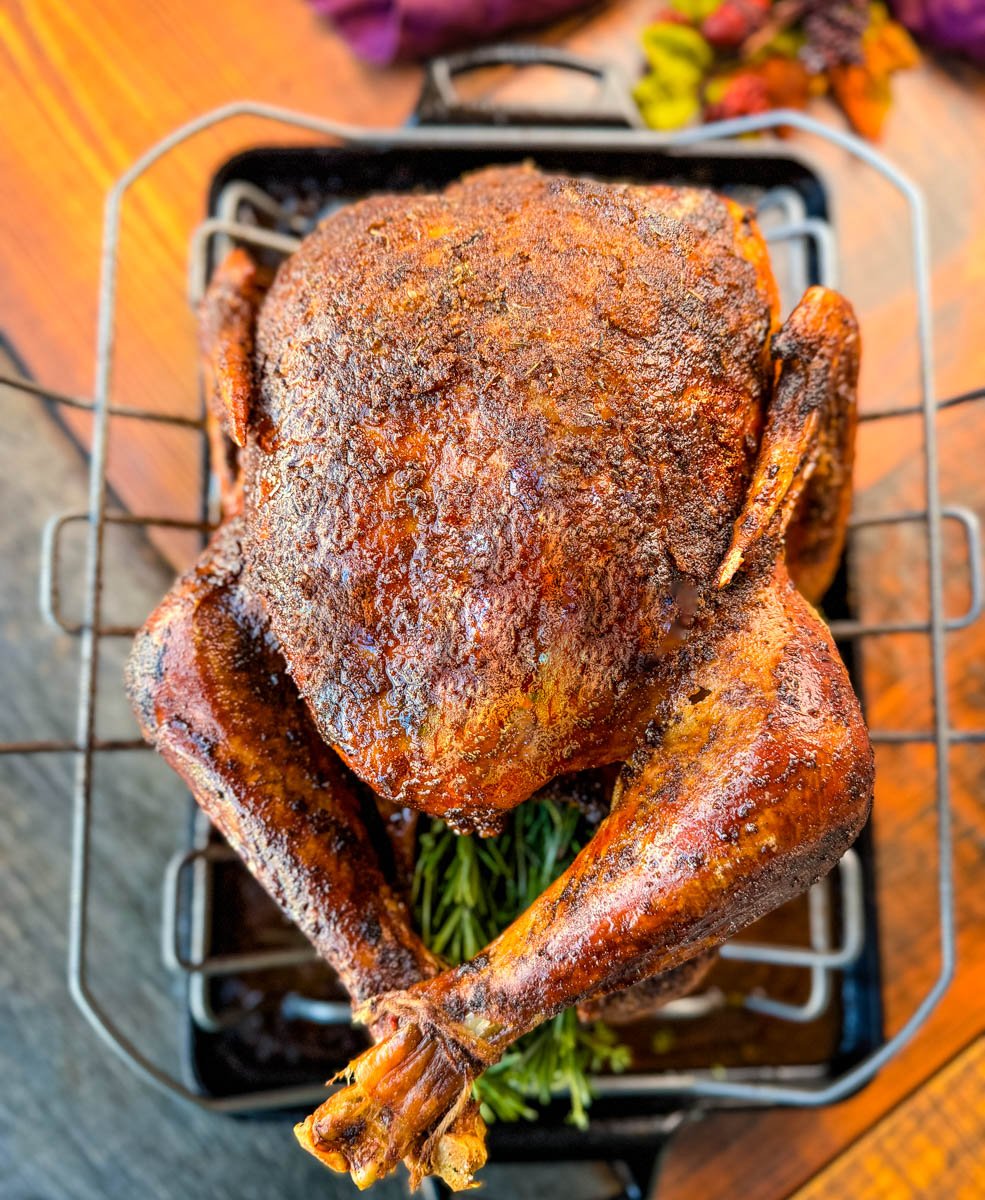
Cajun Spiced Roasted Turkey Breast
A flavorful Cajun-inspired turkey breast recipe featuring a smoky, spicy glaze for a festive and delicious meal. This recipe is a must-try for any occasion.
🥘Ingredients
- 2 large turkey breasts (6-7 lbs each)
- 2 tbsp olive oil
- 1 tbsp Cajun seasoning
- 1 tbsp smoked paprika
- 1 tsp garlic powder
- 1 tsp onion powder
- 1 tsp dried thyme
- 1 tsp dried oregano
- ½ cup honey
- ¼ cup apple cider vinegar
- 2 tbsp soy sauce
- 1 tbsp Dijon mustard
- 1 tbsp brown sugar
- 1 clove garlic, minced
- 1 tsp Cajun seasoning
- 1 tsp smoked paprika
- Fresh parsley, chopped
- Lemon wedges
👨🍳Directions
-
1
Preheat oven to 375°F (190°C). Line a baking sheet with aluminum foil. -
2
In a small bowl, combine olive oil, Cajun seasoning, smoked paprika, garlic powder, onion powder, dried thyme, and dried oregano. Rub this mixture evenly over both turkey breasts. -
3
Place turkey breasts on the prepared baking sheet, skin-side up. Cover loosely with aluminum foil. -
4
Bake for 25 minutes. Remove foil and increase oven temperature to 400°F (200°C). Bake for another 15-20 minutes or until the internal temperature reaches 165°F (74°C). -
5
While turkey is baking, prepare the glaze by mixing honey, apple cider vinegar, soy sauce, Dijon mustard, brown sugar, minced garlic, Cajun seasoning, and smoked paprika in a small bowl. -
6
After turkey is cooked, remove from oven and brush the glaze evenly over the turkey. Return to oven and bake for an additional 5-10 minutes to let the glaze caramelize. -
7
Let the turkey rest for 10 minutes before slicing. Garnish with chopped parsley and serve with lemon wedges.
🔧Equipment
- Mixing bowls
- Baking sheet
- Oven
- Measuring cups and spoons
- Knife and cutting board
- Mixing spoon
- Aluminum foil
📊Nutrition Facts (per serving)
📝Notes
Tips
- For extra flavor, marinate the turkey in the Cajun mixture for at least 1 hour before baking.
- Ensure the turkey reaches an internal temperature of 165°F (74°C) for safe consumption.
- Adjust the glaze consistency by adding more honey or vinegar as needed.
- You can serve this turkey with roasted vegetables or a side of Cajun-style green beans.
Substitutions
- {“item”:”Cajun seasoning”,”substitute”:”A mix of 1 tsp each of cayenne pepper, garlic powder, paprika, onion powder, and dried herbs like thyme and oregano”}
Watch Video Of How Cajun Spiced Roasted Turkey Breast Works
❓ Frequently Asked Questions About Cajun Spiced Roasted Turkey Breast
What is the difference between Cajun turkey and traditional Thanksgiving turkey?
Cajun turkey is a flavorful twist on the classic Thanksgiving turkey, incorporating bold spices like paprika, cayenne, garlic, and thyme, along with a rich gravy made from pan drippings and broth. Traditional Thanksgiving turkey typically relies on simpler seasonings like salt, pepper, and sometimes herbs like sage or rosemary, with a gravy made from turkey drippings and a clear broth. Cajun turkey often includes additional ingredients like Cajun seasoning, smoked paprika, or even a touch of cayenne for extra heat, whereas traditional turkey may use less spice and focus more on a balanced, savory flavor profile.
—
How long should I brine the Cajun turkey before cooking?
For best results, brining a Cajun turkey is recommended for 12 to 24 hours at room temperature or in the refrigerator. If you’re short on time, a 4- to 6-hour brining at room temperature (with a well-seasoned turkey) can still yield great flavor. Brining helps tenderize the meat, keeps it juicy, and ensures even cooking. If you’re not brining, season the turkey generously with Cajun spices and let it sit uncovered for at least 2 hours before roasting.
—
Can I make Cajun turkey gravy without a turkey baster?
Yes! You can make Cajun turkey gravy without a turkey baster by using one of these methods:
1. Strain the drippings – Pour the turkey drippings through a fine-mesh strainer into a saucepan, then simmer to reduce and thicken.
2. Use a ladle – Carefully ladle the drippings into a saucepan, scraping the bottom to gather any browned bits.
3. Combine with broth – Mix the drippings with 1 to 2 cups of turkey or chicken broth, then simmer until thickened.
4. Use an immersion blender – If you have one, blend the drippings directly in the roasting pan for a smoother texture.
For extra richness, add a splash of Cajun-style chicken or turkey stock and a bit of butter or oil while reducing.
—
What spices should I use in the Cajun turkey rub?
A classic Cajun turkey rub typically includes:
– 1 tbsp smoked paprika (for depth)
– 1 tbsp Cajun seasoning (or a mix of paprika, garlic powder, onion powder, oregano, thyme, and cayenne)
– 1 tsp dried thyme
– 1 tsp dried rosemary (optional, for a slightly piney note)
– 1 tsp garlic powder
– 1 tsp onion powder
– ½ tsp black pepper
– ½ tsp salt (adjust to taste)
– ¼ tsp cayenne pepper (for heat, optional)
– 1 tbsp olive oil or melted butter (to bind the spices)
For extra flavor, you can also add 1 tsp mustard powder or a pinch of ground coriander—these are common in Cajun cooking.
—
How do I ensure the Cajun turkey stays moist while roasting?
To keep your Cajun turkey juicy, follow these tips:
– Brine it first (as mentioned earlier)—this is the best way to retain moisture.
– Roast at a lower temperature (325°F/165°C) instead of high heat (375°F/190°C) to prevent drying out.
– Use a meat thermometer—pull it out when it reaches 165°F (74°C) in the thickest part of the thigh (not the breast).
– Baste occasionally (every 45 minutes) with pan drippings or melted butter.
– Let it rest for 20–30 minutes before carving to redistribute juices.
– Avoid overcrowding the pan—leave space for steam to escape, which helps prevent steaming instead of roasting.
– Use a water pan (place a shallow pan of water in the bottom of the oven) to create steam and keep moisture in.

