
prime rib rub recipe

The Best prime rib rub recipe
I love this recipe because it’s the kind of dish that feels indulgent but still feels like home. My kids have grown up eating it, and they always ask for seconds—no matter how old they get. The kids especially love the way the meat stays juicy even after it’s been sliced, and the adults always appreciate the depth of flavor. It’s not just a meal; it’s a tradition. And honestly, there’s something about slow-cooking the meat low and slow that makes it so much better than anything you’d get at a restaurant. You can’t beat the freshness of a home-cooked prime rib, and the fact that it’s easier than you might think to make it perfect every time just makes it even better. Plus, the health benefits are a nice bonus—lean cuts of beef like this can be part of a balanced diet if you’re mindful of portion sizes, and the way it’s cooked with herbs and spices keeps it flavorful without being heavy. It’s the kind of dish that makes every meal feel like a little victory, whether you’re feeding a crowd or just enjoying a quiet night in.
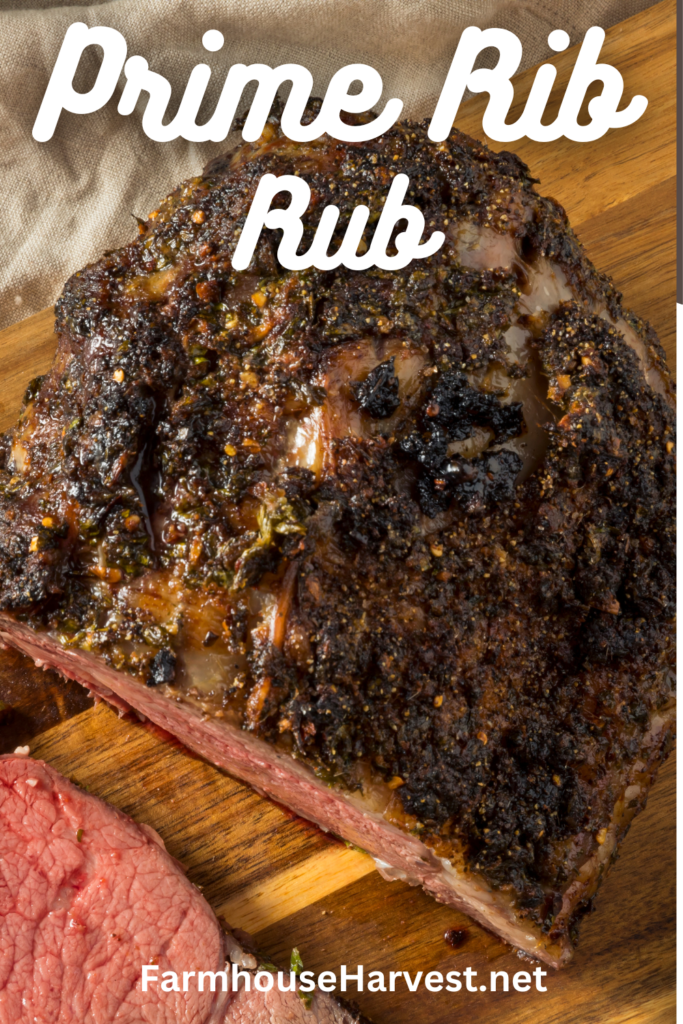
Classic Prime Rib with Classic Dry Rub
A rich, tender cut of prime rib seasoned with a classic dry rub and roasted to perfection. Ideal for a special occasion or a hearty family meal.
🥘Ingredients
- 2 tbsp kosher salt
- 2 tbsp black pepper
- 1 tbsp garlic powder
- 1 tbsp onion powder
- 1 tbsp smoked paprika
- 1 tbsp brown sugar
- 1 tsp cayenne pepper (optional)
- 1 tsp dried thyme
- 1 tsp dried rosemary
- 1 (6-8 lb) bone-in prime rib roast
- 2 tbsp olive oil
- 2 tbsp butter (for basting)
- 1/2 cup beef broth (for basting)
- 1/2 cup red wine (optional)
👨🍳Directions
-
1
Preheat oven to 325°F (165°C). Place the prime rib roast in a roasting pan. -
2
Pat the roast dry with paper towels. In a bowl, mix all the dry rub ingredients together. -
3
Generously coat the prime rib all over with the dry rub mixture, pressing it into the meat. -
4
Place the roast in the roasting pan, fat side up. Add olive oil, butter, beef broth, and red wine (if using). -
5
Roast in the preheated oven for about 2 hours and 30 minutes, or until the internal temperature reaches 125°F (52°C) for medium-rare. -
6
Let the roast rest for 15-20 minutes before slicing against the grain.
🔧Equipment
- Oven
- Roasting pan
- Meat thermometer
- Mixing bowl
- Knife and cutting board
📊Nutrition Facts (per serving)
📝Notes
RubVariations
- For a spicier rub, increase cayenne pepper to 1.5 tsp.
- For a sweeter touch, add 1 tbsp honey or maple syrup to the rub.
RestingTip: Resting ensures the juices redistribute evenly, keeping the meat moist.
PrepAhead: The dry rub can be prepared up to a day in advance and stored in an airtight container.
Serving Suggestions
- Serve with a simple green salad, garlic mashed potatoes, or roasted root vegetables.
- Pair with a rich red wine or a dry cabernet.
Watch Video Of How Classic Prime Rib with Classic Dry Rub Works
❓ Frequently Asked Questions About Prime Rib with Dry Rub
What is the ideal temperature to cook prime rib to achieve a perfect medium-rare internal temperature?
The ideal internal temperature for medium-rare prime rib is 125–130°F (52–54°C). To ensure accuracy, use a meat thermometer inserted into the thickest part of the roast, avoiding the bone. Resting the meat afterward (about 15–20 minutes) helps redistribute juices for a juicier result.
—
How long should I season the prime rib before roasting, and what’s the best way to apply the rub?
For best flavor, let the prime rib sit at room temperature for 30–60 minutes before seasoning. Apply the rub generously—start with a light coat on all sides, pressing it into the meat with your fingers or a paper towel. Let it sit uncovered for 1–2 hours (or overnight in the fridge) to let flavors penetrate deeply. Avoid overcrowding the rub, as excess salt can draw moisture out too quickly.
—
Why does my prime rib dry out even though I used a high-kilojoule (high-smoke-point) oil like avocado or grapeseed?
Drying out can happen if the oil isn’t hot enough to render fat properly or if the roast isn’t cooked low and slow enough. For prime rib, use a low-and-slow method (250–275°F/120–135°C) for the first 1–2 hours, then increase to 325°F (160°C) until it reaches your target temp. Preheat your oven to 450°F (230°C) for the final 10–15 minutes to create a crispy crust. Avoid overcrowding the pan, and don’t skip basting with rendered fat.
—
Can I use a meat thermometer to check doneness, or should I rely on visual cues like the color?
While visual cues (e.g., pink center, slightly translucent edges) can guide you, a meat thermometer is the most reliable method for prime rib. The color alone isn’t foolproof—some cuts can look medium-rare but be overcooked. Stick to the 125–130°F (52–54°C) range for medium-rare, and always let it rest before slicing.
—
What’s the best way to slice prime rib to maximize tenderness and flavor?
Slice against the grain at a 45-degree angle for the thickest cuts (like the ribeye portion) to shorten muscle fibers and improve tenderness. For the tenderloin section, slice thinly parallel to the grain for a delicate texture. Use a sharp chef’s knife to avoid tearing the meat. Rest the roast for 20–30 minutes before slicing to ensure juices redistribute.

