
brown sugar in recipe

The Best brown sugar in recipe
I love this particular recipe because it’s versatile enough to be a go-to for both quick weeknight meals and special occasions. Whether you’re making a cozy breakfast casserole or a festive dessert, brown sugar adds that perfect balance of sweetness and depth. My family will eat it straight from the pan, but I also love serving it alongside a simple green salad or with a scoop of vanilla ice cream. The health benefits? Well, it’s got more fiber and nutrients than white sugar, and the molasses in brown sugar can actually help with iron absorption. It’s not a magic cure, but it’s a small step toward making treats that feel nourishing as well as indulgent. Plus, there’s something comforting about knowing that every bite has a little extra something—just like home.
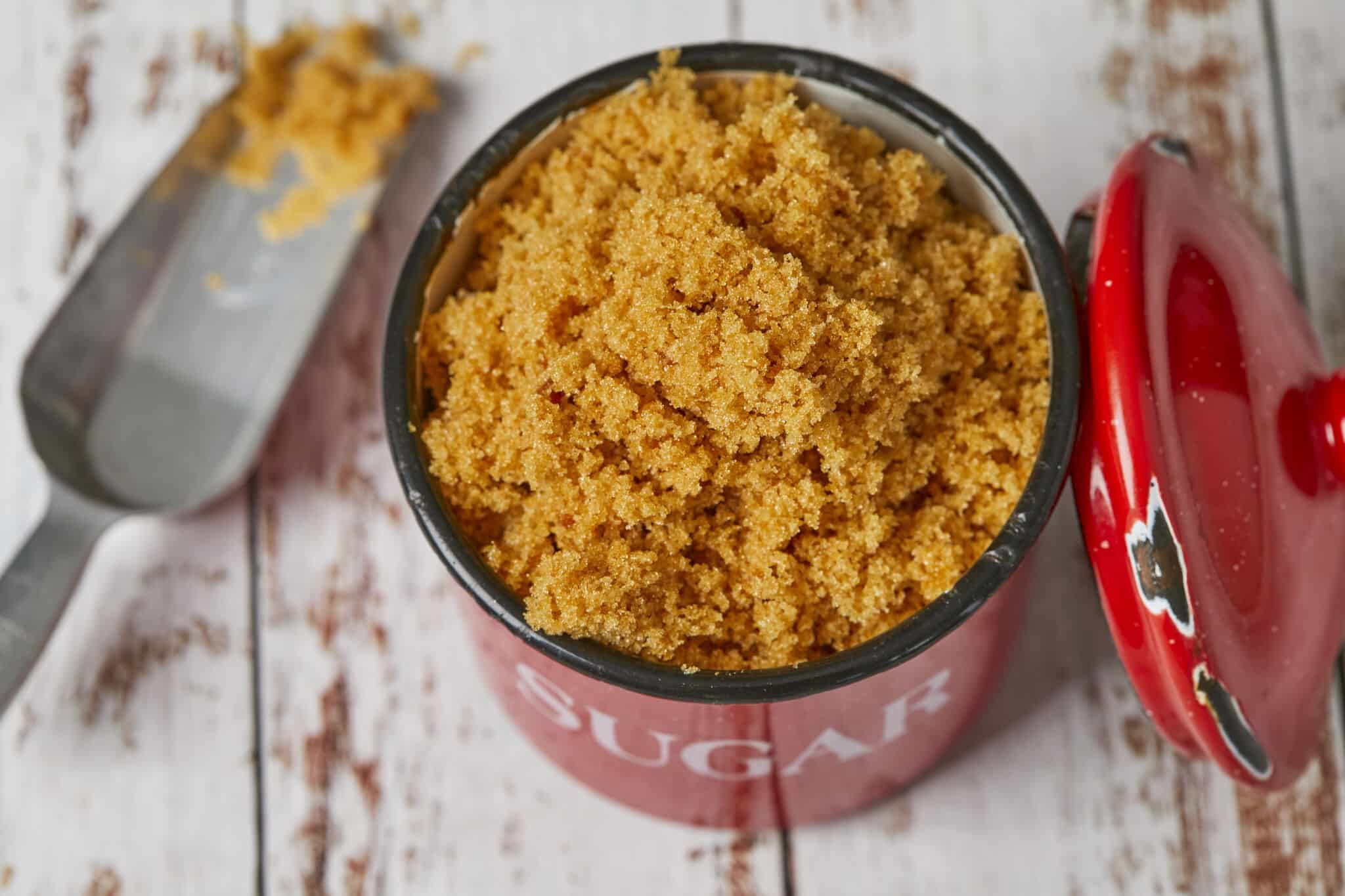
Homemade Brown Sugar Recipe
Learn how to make homemade brown sugar from scratch using simple ingredients and a few steps. Perfect for baking and cooking!
🥘Ingredients
- 2 cups granulated white sugar
- 1 cup molasses (dark or light)
- 1 cup cornmeal or all-purpose flour
- ½ cup granulated sugar (for dusting)
👨🍳Directions
-
1
In a medium saucepan, combine 2 cups of granulated white sugar and 1 cup of molasses. Stir well to ensure the molasses is evenly distributed. -
2
Place the saucepan over medium heat and bring the mixture to a gentle simmer. Stir continuously with a wooden spoon or silicone spatula until the sugar begins to melt and the mixture turns from translucent to opaque, about 10-15 minutes. -
3
Remove the pan from heat and let the mixture cool slightly for about 5 minutes. Then, pour the mixture into a fine-mesh strainer to remove any lumps. Stir gently to ensure even distribution. -
4
Transfer the brown sugar mixture into an airtight container. Allow it to cool completely at room temperature before sealing. -
5
For a smoother texture, you can coat the brown sugar in cornmeal or flour. Mix the brown sugar with 1 cup of cornmeal or flour and ½ cup granulated sugar. Stir well and store in the airtight container.
🔧Equipment
- Medium saucepan
- Wooden spoon or silicone spatula
- Fine-mesh strainer
- Air tight container (glass jar or plastic bottle)
- Mixing bowl (for optional coating)
📊Nutrition Facts (per serving)
📝Notes
Storage: Store in a cool, dry place for up to 3 months. Keep tightly sealed to prevent moisture absorption.
Variations
- Use less molasses (½ cup) for a lighter brown sugar. Simmer for a shorter duration (~8-10 mins).
- Dark Brown Sugar
- Use more molasses (1¼ cups) and simmer longer (~15-20 mins) for a darker, richer flavor.
Substitutions
- Molasses alternative: Use ½ cup honey or maple syrup mixed with 2 cups granulated sugar, but adjust simmer time accordingly.
- For a vegan option: Ensure all ingredients are vegan-compliant.
Tips
- Ensure the molasses is completely dissolved for a smooth texture.
- Do not overheat the mixture to avoid burning and an unpleasant taste.
Watch Video Of How Homemade Brown Sugar Recipe Works
❓ Frequently Asked Questions About Brown Sugar
1. What is the difference between brown sugar and white sugar in baking recipes?
Brown sugar retains more moisture than white sugar due to its molasses content, which gives baked goods like cookies, cakes, and bread a chewier texture and deeper flavor. White sugar, being pure sucrose, evaporates more quickly and contributes to a crispier crumb. When substituting, use equal amounts of brown sugar, but keep in mind that the texture and moisture balance will differ.
2. Can I substitute white sugar for brown sugar in a recipe, and if so, what’s the best way to do it?
Yes, you can substitute white sugar for brown sugar, but you’ll need to adjust for moisture and flavor. For every cup of brown sugar, use ¾ cup white sugar and add 1–2 tablespoons molasses (or 1–2 teaspoons honey or maple syrup) to replicate the molasses flavor. If the recipe calls for a specific texture (e.g., moist cakes), you may also need to add an extra 1–2 tablespoons of liquid (like milk or water) to compensate for the reduced moisture content.
3. Why does brown sugar make baked goods softer and more tender?
Brown sugar’s molasses content slows down the crystallization of sugar, which helps trap moisture inside baked goods. This prevents them from drying out too quickly, resulting in a softer, chewier texture. Unlike white sugar, which evaporates faster, brown sugar’s higher moisture retention keeps ingredients like cookies, muffins, and bread from becoming stale or crumbly too soon.
4. How should I store brown sugar to keep it fresh and prevent clumping?
Brown sugar clumps when exposed to air and moisture, so store it in an airtight container at room temperature. If it’s already clumped, you can break it up by rubbing it between your palms or adding a few drops of water and gently stirring. For long-term storage, refrigerate or freeze it to extend freshness, especially if you don’t use it frequently.
5. Can I use light brown sugar instead of dark brown sugar in a recipe, and what’s the difference?
Yes, you can substitute light brown sugar for dark brown sugar, but the flavor and color will differ slightly. Light brown sugar has less molasses, so it’s less sweet and lighter in color. Dark brown sugar contains more molasses, giving it a deeper, slightly caramelized flavor and a darker hue. If a recipe calls for dark brown sugar, using light brown sugar will result in a less intense molasses taste and a lighter baked good. For a neutral swap, use the same type (light for light, dark for dark) unless the recipe specifies.

