
olive garden dressing recipe


The Best olive garden dressing recipe
I also really appreciate how healthy it is compared to some of the heavier dressings out there. It’s got good fats from the olive oil, which is great for heart health, and it’s got fresh herbs and lemon that give it a bright, refreshing flavor without all the sugar or artificial junk. My kids don’t even notice how good it is for them because it just tastes so good—no weird aftertaste, no heavy drizzle. And honestly, it’s a great way to sneak in some extra veggies if you’re serving it with a side salad or roasted veggies. It’s that kind of recipe that’s just as good for a quick weeknight meal as it is for a fancy dinner with friends. Plus, it’s so easy to customize—add a little red pepper flakes if you want a kick, or swap out the lemon for a little bit of vinegar if you prefer. It’s one of those recipes that feels like a no-brainer, but it’s always a hit.
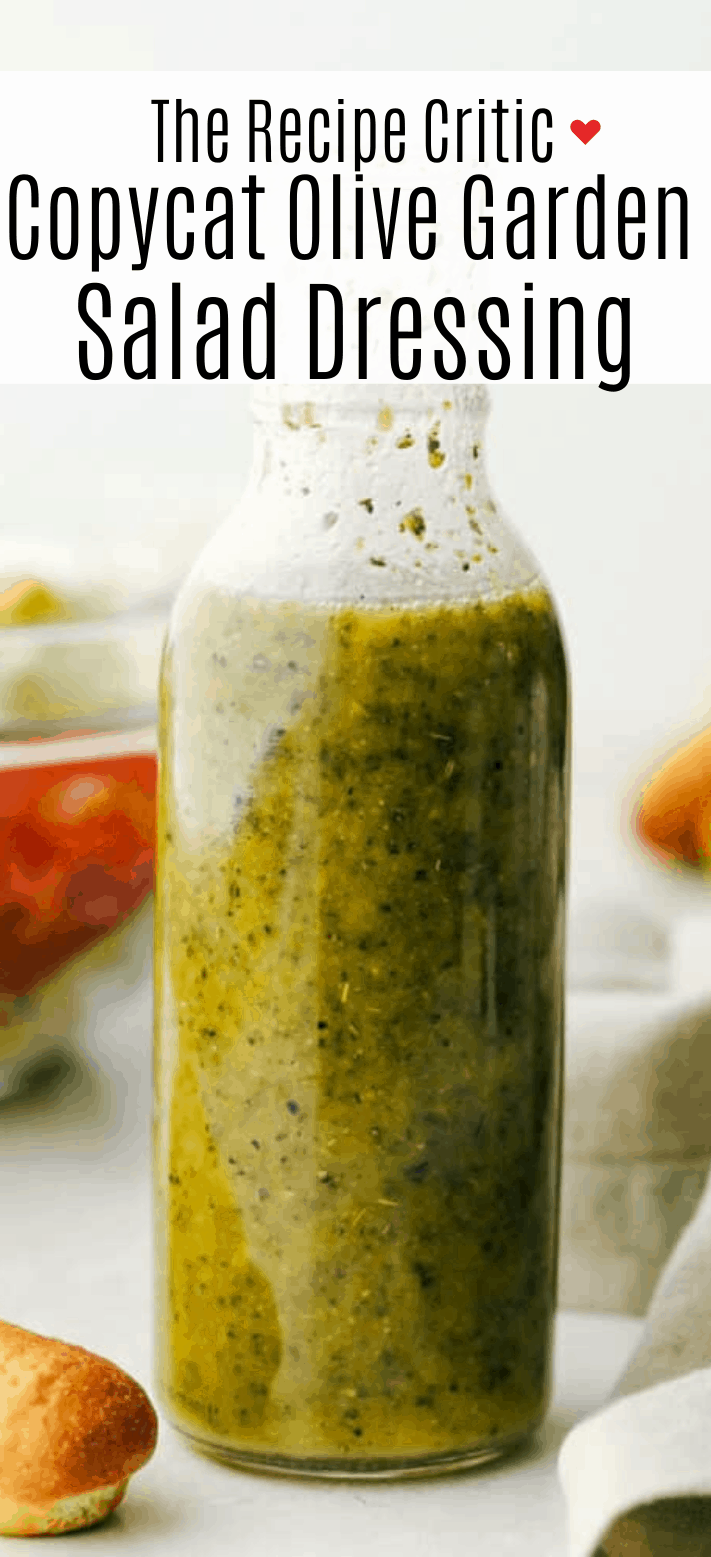
Olive Garden Italian Dressing Recipe
A classic homemade Italian dressing inspired by Olive Garden’s signature flavors, perfect for drizzling over salads, grilled meats, or pasta dishes. This recipe captures the tangy, herby essence with a touch of olive oil and herbs.
🥘Ingredients
- 1 cup extra-virgin olive oil
- 1/2 cup red wine vinegar
- 1/4 cup honey or brown sugar
- 2 cloves garlic, minced
- 1 tsp dried oregano
- 1 tsp dried basil
- 1/2 tsp salt
- 1/4 tsp black pepper
- 1/2 tsp red pepper flakes (optional)
- 1/2 cup grated Parmesan cheese
- 1 tbsp Dijon mustard
- 1 tsp lemon zest
👨🍳Directions
-
1
In a mixing bowl, whisk together olive oil, red wine vinegar, honey/brown sugar, minced garlic, dried oregano, dried basil, salt, black pepper, and red pepper flakes (if using). -
2
For a smoother texture, strain the dressing through a fine-mesh sieve if desired. -
3
In a small saucepan, gently heat the dressing over low heat for 2–3 minutes to meld the flavors (optional). Avoid boiling to preserve freshness. -
4
In a separate bowl, mix grated Parmesan cheese, Dijon mustard, and lemon zest until combined. Stir into the dressing just before serving.
🔧Equipment
- Mixing bowl
- Whisk or fork
- Fine-mesh strainer (optional)
- Small saucepan (for simmering, if using honey)
📊Nutrition Facts (per serving)
📝Notes
Tips
- For a richer dressing, add 1 tbsp of balsamic vinegar or a splash of balsamic reduction.
- Substitute honey with maple syrup for a vegan-friendly option.
- Adjust sweetness by adding more honey or reducing vinegar slightly.
- Store in an airtight container in the fridge for up to 1 week.
Variations
- Add 1 tbsp capers and a pinch of smoked paprika for a Mediterranean twist.
- Include 1 tbsp chopped fresh parsley for extra brightness.
Watch Video Of How Olive Garden Italian Dressing Recipe Works
❓ Frequently Asked Questions About Olive Garden Italian Dressing
1. What are the main ingredients used in Olive Garden’s signature dressing recipe?
The main ingredients in Olive Garden’s classic Italian Balsamic Vinaigrette dressing include extra-virgin olive oil, balsamic vinegar (preferably aged), Dijon mustard, honey or maple syrup, garlic powder, onion powder, salt, and black pepper. Some versions may also include a touch of apple cider vinegar or lemon juice for extra tang.
—
2. Why does Olive Garden’s dressing sometimes have a thicker consistency than homemade versions?
Olive Garden’s dressing is designed to be slightly thicker than a typical vinaigrette to provide a richer, more balanced flavor and better texture when drizzled over salads. This consistency often comes from a blend of ingredients like honey or maple syrup, which act as natural thickeners, along with the careful emulsification of the oils and vinegar. The restaurant’s method may also include a small amount of butter or cream for extra richness.
—
3. Can I substitute any ingredients in the homemade version of Olive Garden’s dressing?
Yes, you can adjust some ingredients while staying close to the original recipe. For example:
– Vinegar swap: Use red wine vinegar or apple cider vinegar if balsamic isn’t available.
– Sweetener: Substitute honey with agave syrup, brown sugar, or even a bit of white sugar for a similar effect.
– Herbs/spices: Add fresh herbs like basil or parsley, or a pinch of dried oregano for extra depth.
– Extra oil: If the dressing feels too thin, add a little more olive oil (but avoid overdoing it to maintain balance).
Just keep the ratio of oil to vinegar around 3:1 to 4:1 for the best texture.
—
4. Does Olive Garden’s dressing contain any dairy products?
Most versions of Olive Garden’s signature Italian Balsamic Vinaigrette do not contain dairy. However, if you’re making a version with butter or cream for thickness, those additions would include dairy. Always check the restaurant’s specific recipe or ingredients list if you have dietary restrictions—some locations might vary slightly.
—
5. How can I make the dressing last longer without it going rancid?
To extend the shelf life of your homemade Olive Garden-style dressing:
– Store properly: Transfer the dressing to an airtight container and refrigerate within 24 hours of making it.
– Avoid oxidation: If the dressing sits exposed to air, it can spoil faster. Use a clean spoon and minimize air bubbles when transferring.
– Use vinegar: The acidic nature of balsamic vinegar helps preserve the dressing, but avoid using expired vinegar.
– Freeze for long-term storage: For up to 3 months, portion the dressing into ice cube trays or small containers and freeze. Thaw in the fridge before use.
– Avoid heat: Never reheat dressing—always use cold or room-temperature versions to prevent spoilage.


