
pickle juice recipe

The Best pickle juice recipe
The health benefits make it even more appealing. Pickle juice is packed with probiotics from the fermentation process, which supports gut health, and it’s also rich in electrolytes, making it a great way to rehydrate after a long day. Plus, it’s a great way to use up fresh vegetables—like cucumbers, garlic, and onions—without wasting them. Whether you’re serving it as a condiment for sandwiches or mixing it into marinades, it adds a zesty kick that elevates whatever it touches. And because it’s homemade, you know exactly what’s in it—no preservatives, no mystery additives. It’s a small, everyday recipe that’s perfect for both casual meals and special occasions, like a potluck or a family gathering.
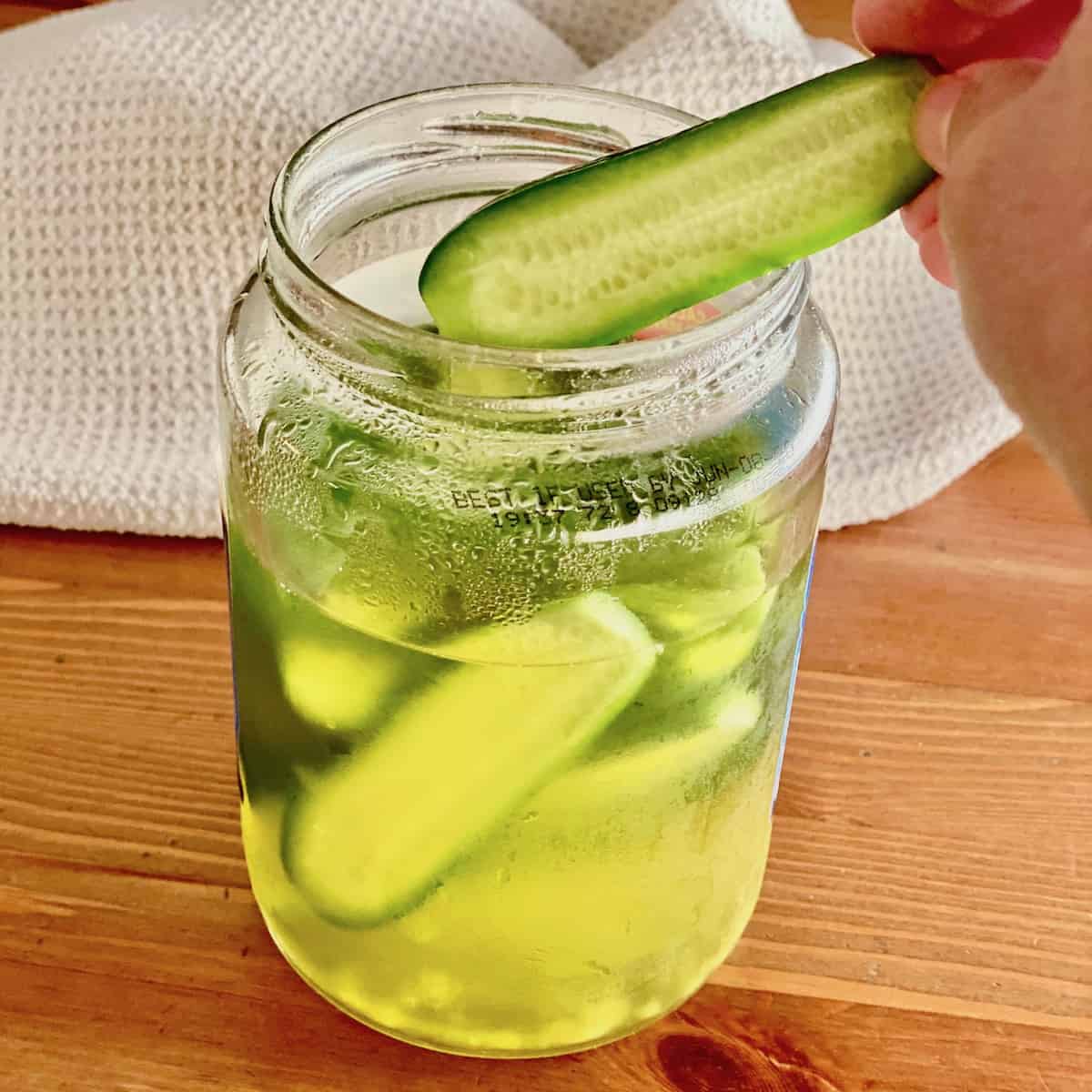
Classic Homemade Pickle Juice
A tangy, homemade pickle juice that’s perfect for marinating meats, dressing salads, or simply sipping. This version captures the bright, fermented flavor without needing a commercial jar.
🥘Ingredients
- 1 pint dill pickles (canned, drained)
- 1 pint green pickles (canned, drained)
- 1 cup apple cider vinegar
- 1 cup water
- 1 tsp salt
- 1 tsp black peppercorns
- 1 tsp whole cloves
- 1 bay leaf
👨🍳Directions
-
1
Rinse the pickles thoroughly under cold water to remove any brine residue. Pat them dry with a clean towel. -
2
In a mixing bowl, combine the dill and green pickles, apple cider vinegar, water, salt, peppercorns, cloves, and bay leaf. Stir gently to distribute the spices. -
3
Pour the mixture into clean glass jars, ensuring the pickles are fully submerged. Seal the jars tightly and let them ferment at room temperature for 3–5 days. -
4
After fermentation, strain the liquid through a fine-mesh sieve into a clean bowl, pressing down on the pickles to extract as much juice as possible. Discard the solids or save for another use. -
5
Transfer the strained juice to fresh jars, leaving ½ inch of headspace. Seal and refrigerate. The juice will keep for up to 2 weeks.
🔧Equipment
- Clean glass jars with lids
- Mixing bowl
- Fine-mesh strainer
📊Nutrition Facts (per serving)
📝Notes
- For extra tang, add 1 tbsp mustard seeds or a pinch of red pepper flakes to the fermentation mixture.
- If the juice thickens slightly over time, it’s normal—it’s just concentrated flavor!
Watch Video Of How Classic Homemade Pickle Juice Works
❓ Frequently Asked Questions About Pickle Juice
How long should I let the pickles sit in the juice after they’re ready?
After pickling, let the jars cool to room temperature, then refrigerate. The juice will keep the pickles crisp for up to two weeks, but the flavor deepens if you let them sit for at least 12 hours—even overnight—before eating.
Can I use store-bought vinegar instead of homemade vinegar in this recipe?
Yes, you can substitute white vinegar or apple cider vinegar in a 1:1 ratio. For tangier flavor, use a vinegar with a slightly higher acidity (like malt vinegar), but avoid balsamic or red wine vinegar—they won’t pickle as effectively.
What if I don’t have a jar lifter or canning tools?
Skip the lid lifter and use a wide spoon or tongs to lift the jar. For the lid, press it firmly into place with a heavy pan or a wooden spoon to seal it while you wait for the water to boil. Just ensure the jar stays submerged in the hot water.
How do I know if the pickles are done?
Pickles are ready when they’re bright green and firm to the touch. They’ll form a clear, slightly cloudy juice that’s tangy but not overly sour. If they’re soft or pale, they need more time. Taste one before serving!
Can I make this recipe without a water bath canning process?
No, this recipe relies on a water bath canning to ensure safety. If you’re not comfortable canning, try a quick-pickle version with a brine made of water, vinegar, and salt—just refrigerate the pickles for up to two weeks instead.


