
alfredo pasta recipe with milk

- The Best alfredo pasta recipe with milk
- Classic Creamy Alfredo Pasta with Garlic and Parmesan
- 🥘Ingredients
- 👨🍳Directions
- 🔧Equipment
- 📊Nutrition Facts (per serving)
- 📝Notes
- Watch Video Of How Classic Creamy Alfredo Pasta with Garlic and Parmesan Works
- ❓ Frequently Asked Questions About Creamy Alfredo Pasta with Garlic and Parmesan
The Best alfredo pasta recipe with milk
What I love most about this recipe is how it balances indulgence with something that’s actually pretty good for you. The sauce isn’t loaded with heavy cream—it’s made with whole milk and a little butter, which keeps it light but still creamy. The pasta itself is just simple elbow macaroni, which is affordable and packed with protein, and the garlic and Parmesan add flavor without overpowering. It’s the kind of meal that’s hearty enough for a family dinner but also simple enough to reheat and eat the next day without losing its texture. Plus, it’s a great way to use up whatever fresh veggies you have on hand—sautéing some spinach or zucchini right into the sauce makes it even healthier without changing the taste. My kids don’t even notice the extra veggies, and honestly, neither do I. It’s that kind of recipe that feels like a win all around.
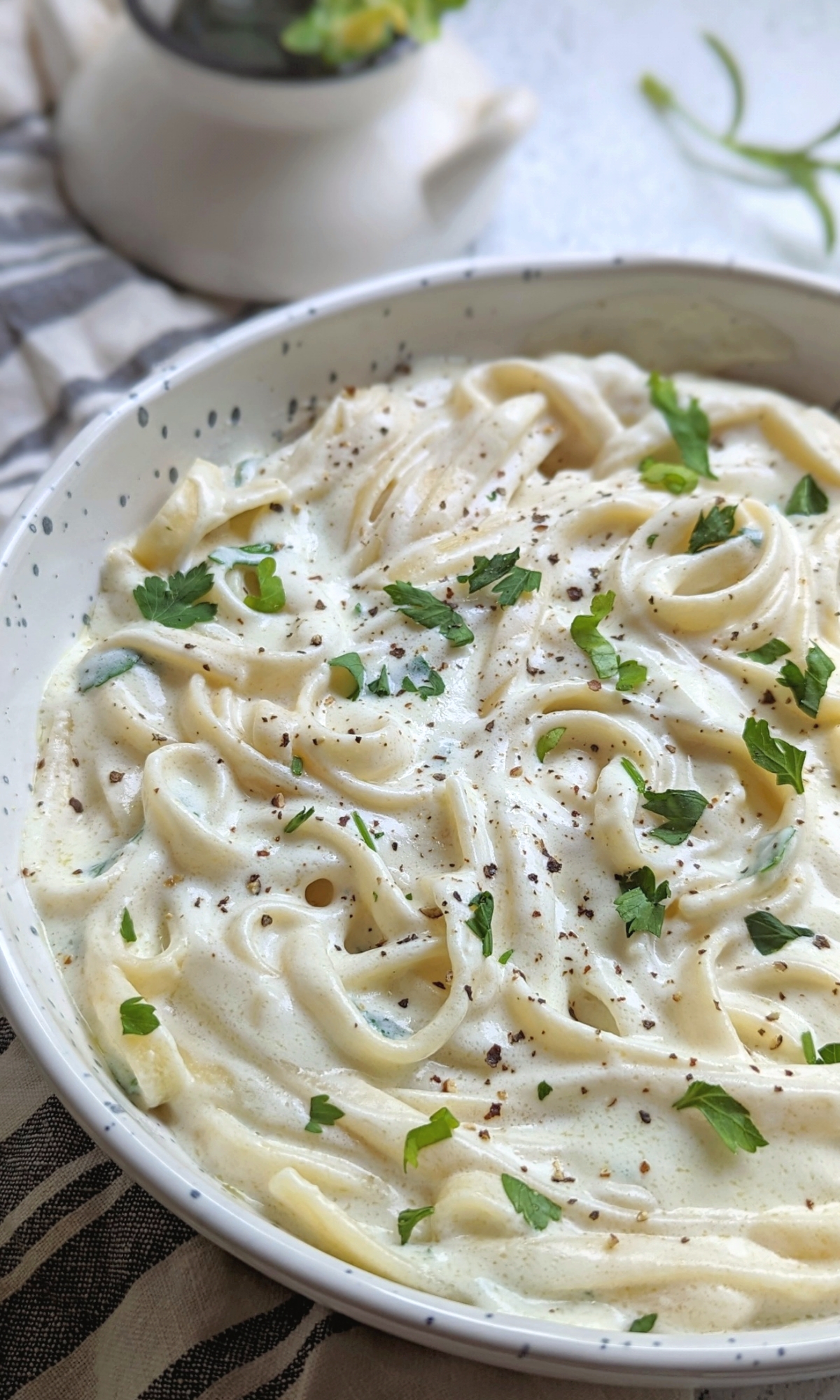
Classic Creamy Alfredo Pasta with Garlic and Parmesan
A rich, velvety Alfredo sauce paired with al dente fettuccine for a comforting and indulgent Italian-inspired dish. This recipe is a must-try for any occasion.
🥘Ingredients
- 8 oz fettuccine or fettuccia pasta
- 1 tbsp olive oil
- 1 tsp salt
- ½ tsp black pepper
- 3 tbsp unsalted butter
- ½ cup heavy cream
- ½ cup whole milk
- 1 cup grated Parmesan cheese (freshly grated preferred)
- 2 cloves garlic, minced
- ½ tsp red pepper flakes (optional)
- ½ cup reserved pasta water
- Freshly chopped parsley
- Extra grated Parmesan cheese
👨🍳Directions
-
1
Cook pasta according to package instructions in salted boiling water until al dente. Reserve ½ cup pasta water before draining. -
2
In a saucepan, melt butter over medium heat. Add minced garlic and red pepper flakes (if using), sautéing for 30 seconds until fragrant. -
3
Pour in heavy cream and milk, stirring to combine. Bring to a gentle simmer, then reduce heat to low. Let it thicken for 3–4 minutes. -
4
Gradually whisk in grated Parmesan cheese until smooth and creamy. If the sauce is too thick, add reserved pasta water 1 tbsp at a time until desired consistency is reached. -
5
Toss drained pasta in the Alfredo sauce until evenly coated. Garnish with fresh parsley and extra Parmesan cheese.
🔧Equipment
- Large pot
- Saucepan
- Wooden spoon
- Knife and cutting board
- Pasta cooker or large pot
- Fine-mesh strainer
- Mixing bowls
- Whisk
📊Nutrition Facts (per serving)
📝Notes
Tips
- For extra richness, add a splash of white wine while simmering the sauce.
- Substitute half the heavy cream with half-and-half for a lighter version.
- Ensure Parmesan is freshly grated for the best flavor.
- Add cooked mushrooms or spinach to the sauce for added nutrition.
Variations
- Add a sprinkle of nutmeg or a pinch of cayenne for a subtle kick.
- Use whole wheat pasta for a fiber-rich twist.
Watch Video Of How Classic Creamy Alfredo Pasta with Garlic and Parmesan Works
❓ Frequently Asked Questions About Creamy Alfredo Pasta with Garlic and Parmesan
1. What is the best way to ensure the alfredo sauce is creamy and smooth without lumps?
To achieve a silky, lump-free alfredo sauce, start by melting the butter in a saucepan over medium-low heat. Gradually whisk in the grated Parmesan cheese, allowing it to dissolve completely before adding the milk. Cook the mixture for a few minutes, stirring constantly, to emulsify the sauce. If you prefer a smoother texture, you can blend the melted butter, Parmesan, and milk in a blender or food processor before heating.
—
2. Can I substitute regular milk for a dairy-free alternative in alfredo pasta?
Yes, you can use dairy-free alternatives like unsweetened almond milk, cashew milk, or oat milk. For the best results, choose a milk that is high in fat content (like unsweetened cashew milk) to mimic the richness of traditional alfredo. Whisk well to prevent separation, and if needed, add a splash of lemon juice or a pinch of salt to help stabilize the sauce.
—
3. How should I prepare the pasta to avoid sticking while cooking?
To prevent pasta from sticking, cook it in a large pot of well-salted water with a generous amount of pasta water (about 2 cups per pound of pasta). Stir the pasta frequently with a wooden spoon or tongs, especially at the beginning of cooking, to ensure even distribution of heat. Once al dente, drain it and reserve about ½ cup of pasta water before tossing it with the alfredo sauce. Adding a little extra pasta water can help loosen the sauce if it’s too thick.
—
4. What’s the secret to balancing the flavors in alfredo pasta with garlic and herbs?
The key to a well-balanced alfredo is layering flavors subtly. Start by sautéing minced garlic in olive oil until fragrant (about 30 seconds) before adding the butter and cheese. Stir in fresh herbs like basil or parsley at the end to avoid wilting them. A pinch of nutmeg or a splash of lemon juice can also enhance the richness without overpowering the dish. Adjust salt and pepper to taste, and if the sauce is too thick, thin it with pasta water.
—
5. Why does my alfredo sauce separate or turn grainy after cooking?
Separation or graininess often happens due to overheating, improper emulsification, or using low-fat milk. To fix it, reduce the heat and whisk constantly while adding the milk slowly. If the sauce has already separated, gently reheat it over low heat while stirring, then mix in a small amount of cold pasta water or milk to re-emulsify. For grainy cheese, ensure you’re using freshly grated Parmesan (not pre-shredded, which has anti-caking agents) and whisk vigorously to dissolve it completely.
