
almond bark recipe

The Best almond bark recipe
The best part? It’s versatile enough for special occasions but also fits right into everyday baking. You can use it to top a batch of homemade cookies, melt it over fruit for a fancy dessert, or even mix it into oatmeal or yogurt for a quick, protein-packed breakfast. It’s like a little flavor boost that doesn’t take much effort, and because it’s made from real almonds and cocoa, it’s got that natural sweetness without all the refined sugar. Plus, it’s a great way to use up extra almonds you’ve got on hand—no waste, just pure, simple joy in the kitchen.
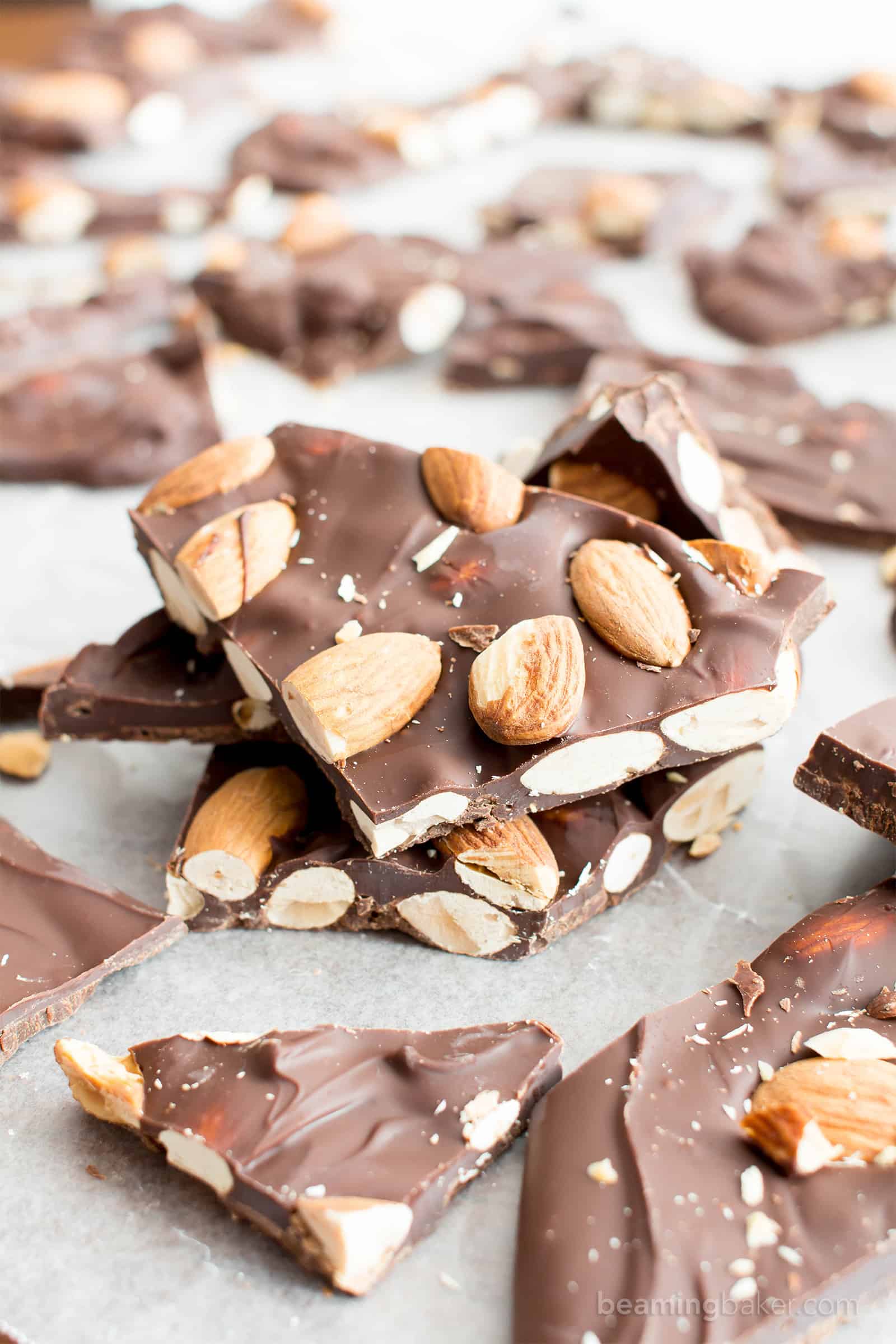
Easy Homemade Almond Bark
A simple, no-churn almond bark recipe that’s perfect for gifting or indulging in a sweet treat. It melts easily and holds its shape beautifully.
🥘Ingredients
- 1 cup almonds (raw or roasted)
- ½ cup powdered sugar
- 1 tsp vanilla extract
- 1 tbsp unsalted butter
👨🍳Directions
-
1
Preheat oven to 350°F. Line a baking sheet with parchment paper. -
2
In a bowl, mix almonds, powdered sugar, vanilla, and butter until combined. -
3
Spread the mixture evenly on the prepared baking sheet, forming a thin layer. Bake for 12–15 minutes until golden brown. -
4
Let cool completely before breaking into pieces. Store in an airtight container for up to 2 weeks.
🔧Equipment
- Mixing bowl
- Baking sheet
- Parchment paper
- Piping bag or ziplock bag
📊Nutrition Facts (per serving)
📝Notes
Watch Video Of How Easy Homemade Almond Bark Works
❓ Frequently Asked Questions About Almond Bark
1. What is almond bark used for in cooking and baking?
Almond bark is a versatile ingredient often used as a crunchy topping for desserts like ice cream, cookies, and cakes. It adds a delightful texture and a subtle, sweet almond flavor, making it a popular choice for both sweet and savory dishes. You can also use it to coat nuts, chocolate-covered fruits, or even sprinkle it over hot drinks for a festive touch.
2. Can I substitute almond bark for regular dark chocolate?
While almond bark and dark chocolate share some similarities, they have different textures and flavors. Almond bark is less rich and has a distinct nutty taste, so it won’t work as a direct substitute. However, you can use it in place of chocolate in recipes where you want a lighter, crunchier texture—like drizzling it over yogurt or mixing it into no-bake treats. For baking, dark chocolate is usually the better choice.
3. How should I store almond bark to keep it fresh?
Almond bark should be stored in an airtight container at room temperature, away from direct sunlight and heat sources. If it starts to soften or melt, transfer it to the fridge or freezer to preserve its texture. Once opened, it typically lasts for about a month, but you can also freeze it in small portions for longer storage.
4. Is almond bark safe for people with nut allergies?
Almond bark contains almonds, so it is not safe for individuals with nut allergies. If you suspect someone may have a reaction, always check the label for allergen warnings or opt for alternatives like coconut bark or caramelized nuts instead. For baking and cooking, always double-check ingredients to avoid cross-contamination risks.
5. How do I make almond bark melt smoothly without clumping?
To melt almond bark smoothly, use a double boiler or a heat-safe bowl set over simmering water. Stir gently to prevent burning, and avoid overheating, as it can turn bitter. If clumps form, break them up with a fork or melt them slowly in small batches. For best results, use a microwave-safe bowl and melt in short bursts at 30–45 seconds intervals, stirring between each.

