
buttermilk pound cake recipe

The Best buttermilk pound cake recipe
I love how this recipe is so versatile. You can slice it thin for tea sandwiches, top it with fresh berries and whipped cream, or even use it as a base for frosting. My grandkids adore it when we make it with extra eggs and a little extra buttermilk for that extra fluffiness, and my husband always says it’s the only cake he’ll eat without any extra sugar—though he’ll still have a few bites. It’s not just a dessert; it’s a comfort food that’s easy to share. And the health benefits? Well, it’s got a good amount of protein from the eggs and buttermilk, which helps keep you full longer, and it’s not too heavy on the refined sugar if you use a little less or swap in some honey or maple syrup. It’s that kind of recipe that feels like a treat but still makes sense in your diet. Plus, there’s nothing like a warm slice of homemade pound cake to brighten up your day, whether you’re celebrating a small victory or just enjoying a quiet afternoon.
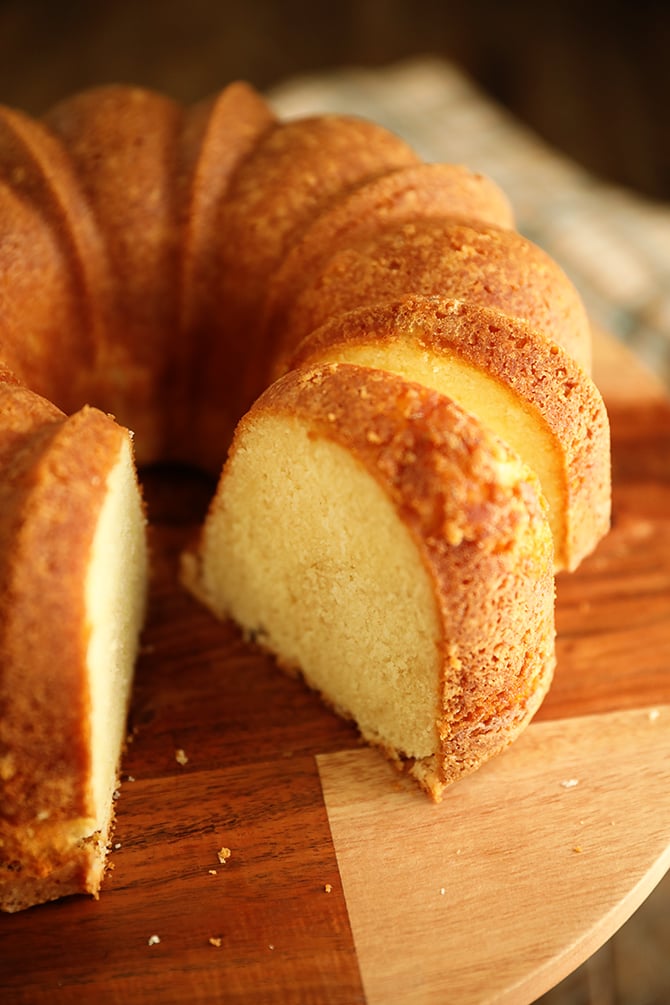
Classic Buttermilk Pound Cake
A moist and tender pound cake made with buttermilk, perfect for breakfast or dessert with a simple glaze or fresh berries. This recipe is a must-try for any occasion.
🥘Ingredients
- 4 cups all-purpose flour
- 1 ½ cups granulated sugar
- 4 large eggs, room temperature
- 1 cup buttermilk, room temperature
- 2 tsp vanilla extract
- 2 tbsp unsalted butter, melted
- 1 tsp baking soda
- 1 tsp salt
- ½ cup powdered sugar
- 2 tbsp buttermilk
- 1 tsp vanilla extract
👨🍳Directions
-
1
Preheat oven to 350°F (175°C). Grease a 9×13-inch baking pan generously with butter or line it with parchment paper. -
2
In a large bowl, whisk together flour, sugar, baking soda, and salt. Make a well in the center. -
3
In another bowl, beat eggs and vanilla extract until well combined. Add buttermilk and melted butter, mixing until smooth. -
4
Pour the wet ingredients into the dry ingredients and gently fold together using a spatula until just combined (do not overmix). -
5
Pour the batter into the prepared pan and smooth the top with a spatula. Bake for 50–60 minutes, or until a toothpick inserted into the center comes out clean. -
6
Allow the cake to cool in the pan for 10 minutes, then transfer to a wire rack to cool completely.
🔧Equipment
- Mixing bowls
- Whisk
- Measuring cups and spoons
- Pound cake pan (9×13-inch or similar)
- Oven
- Electric mixer or stand mixer
📊Nutrition Facts (per serving)
📝Notes
Tips
- For extra moisture, replace buttermilk with an equal amount of plain yogurt.
- Make sure eggs and buttermilk are at room temperature for the best texture.
- Store in an airtight container at room temperature for up to 3 days or refrigerate for up to 5 days.
- To make the glaze, whisk powdered sugar, buttermilk, and vanilla until smooth. Drizzle over cooled cake.
Variations
- Add 1 cup chopped walnuts or pecans for a nutty flavor.
- Sprinkle cinnamon or cardamom into the dry ingredients for a spiced twist.
Watch Video Of How Classic Buttermilk Pound Cake Works
❓ Frequently Asked Questions About Buttermilk Pound Cake
1. What is the key difference between buttermilk pound cake and regular pound cake?
The key difference lies in the ingredients and texture. Buttermilk pound cake incorporates buttermilk instead of regular milk, which adds a slight tanginess and a lighter, moister crumb. Buttermilk also contains lactic acid, which helps tenderize the cake and create a more tender texture. Regular pound cake typically uses milk, which can make the cake denser and slightly drier.
2. Can I substitute buttermilk in the recipe if I don’t have any on hand?
Yes, you can substitute buttermilk with a mixture of milk and vinegar or lemon juice. For every cup of buttermilk, mix 1 cup of milk with 1 to 2 tablespoons of vinegar or lemon juice. Let it sit for about 5 minutes until it curdles slightly, then use it in your recipe. This mimics the tanginess and slight thickening effect of buttermilk.
3. Why does my buttermilk pound cake turn out dense instead of light and fluffy?
Several factors can contribute to a dense buttermilk pound cake. Using old or expired buttermilk can cause issues. Ensure you’re using fresh ingredients. Another common mistake is overmixing the batter after adding the buttermilk, which can develop the gluten too much, resulting in a dense texture. Make sure to fold in the dry ingredients gently until just combined. Also, avoid overbaking; check the cake with a toothpick inserted in the center—it should come out clean.
Bonus tip:
If your oven isn’t calibrated properly, it can also affect the cake’s texture. Use an oven thermometer to ensure it’s accurate.
4. How can I make my buttermilk pound cake extra moist and tender?
To achieve a moist and tender buttermilk pound cake, consider these tips:
– Use cake flour instead of all-purpose flour for a lighter texture.
– Don’t overbake the cake; pull it out when it reaches the appropriate doneness (a toothpick should come out with a few moist crumbs).
– Add an extra ½ cup of milk or buttermilk to the batter if you find it too dry.
– Bake the cake in a well-greased and floured pan for even distribution of moisture.
– Cool the cake in the pan for about 15 minutes before transferring it to a wire rack to prevent it from drying out too quickly.
5. Can I make this buttermilk pound cake ahead of time and store it properly?
Yes, you can prepare buttermilk pound cake ahead of time, but you’ll need to handle storage carefully to maintain its freshness and texture.
– Room Temperature: Store the cake in an airtight container at room temperature for up to 2 days.
– Fridge: You can refrigerate the cake for up to 4 days, but it may become slightly drier. To revive it, bring it to room temperature before serving.
– Freezing: For longer storage, freeze the cake. Wrap it tightly in plastic wrap and then in aluminum foil or place it in an airtight container. It can be frozen for up to 3 months. To reheat, thaw it at room temperature and warm it in a 350°F (175°C) oven for about 10-15 minutes.
6. How do I know when the buttermilk pound cake is done baking?
A buttermilk pound cake is done when it reaches an internal temperature of around 190–200°F (88–93°C) on a meat thermometer, and a toothpick inserted into the center comes out clean, with perhaps a few moist crumbs. Overbaking can dry out the cake, so it’s essential to check it frequently, especially if your oven tends to overheat.

