
caramelized onions recipe

The Best caramelized onions recipe
I also appreciate how caramelized onions are surprisingly healthy. They’re packed with natural sweetness and flavor without the need for added sugar, and the slow cooking process actually breaks down some of the phytonutrients, making them even more nutritious. Plus, they’re full of fiber and antioxidants, which is a great way to sneak in some extra goodness without the kids even noticing. For me, it’s the perfect balance—something delicious enough to make a meal feel like a celebration, yet simple enough to whip up in minutes when life gets busy. Whether it’s for a family dinner or just a quiet night in, these onions are a staple that never disappoints.
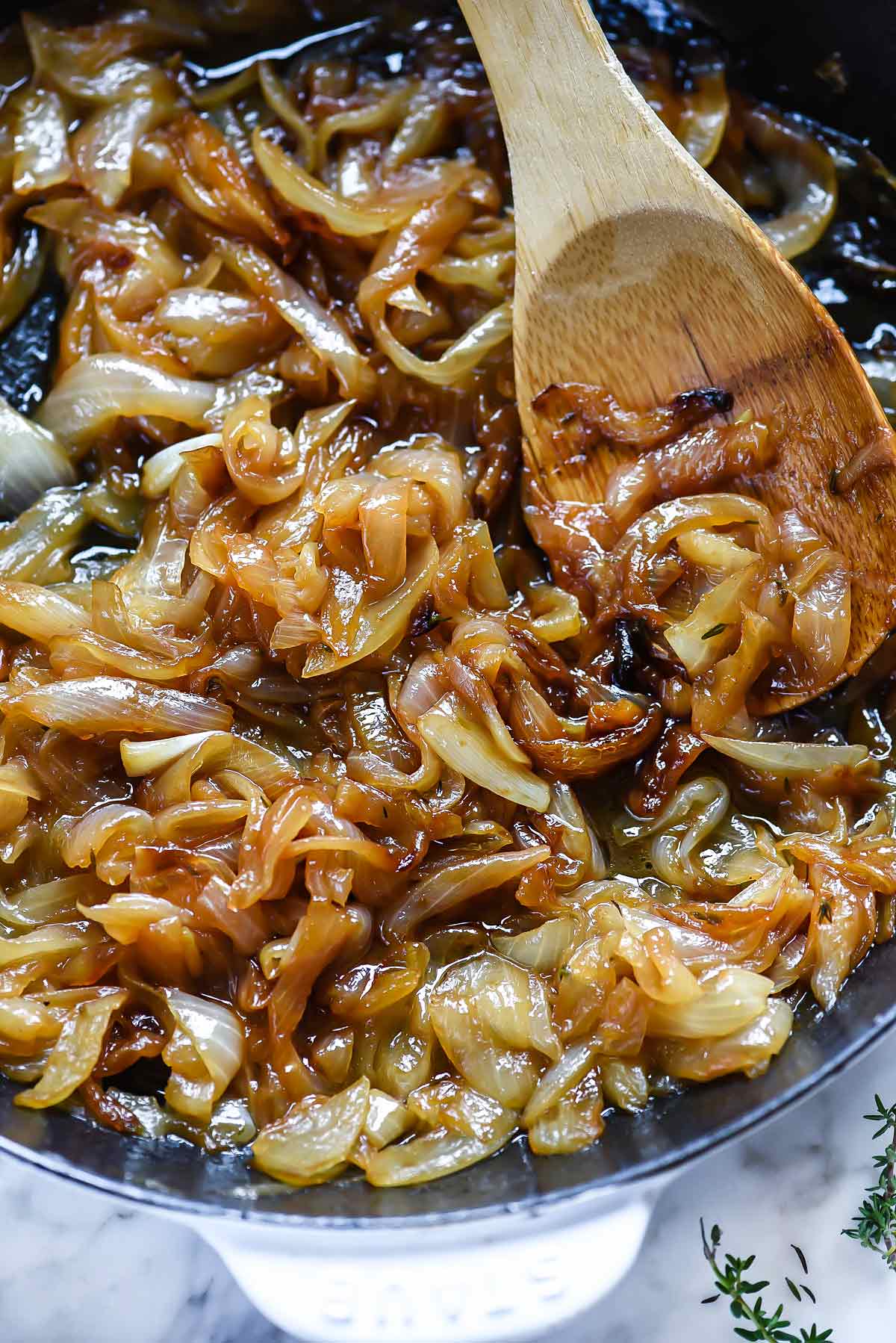
Caramelized Onions Recipe
A rich, sweet, and savory dish made by slow-cooking onions until deeply golden and tender. Perfect for topping burgers, sandwiches, or pasta.
🥘Ingredients
- 1 large yellow onion, thinly sliced
- 2 tbsp unsalted butter
- 2 tbsp olive oil
- 1 tsp salt (plus extra for seasoning)
- 1 tsp black pepper
- 1 tsp sugar (optional, for extra sweetness)
- 1 tbsp all-purpose flour (for thickening, optional)
👨🍳Directions
-
1
Preheat your oven to 350°F (175°C) if using an oven method, or heat a large skillet over medium-low heat. -
2
In a mixing bowl, combine sliced onions, salt, black pepper, and sugar (if using). Let them sit for 15 minutes to allow the flavors to infuse. -
3
In the skillet, melt butter and olive oil over medium-low heat. Add the drained onions and cook, stirring occasionally, for about 20-25 minutes. Ensure they caramelize evenly, adding a splash of water if they dry out. -
4
If you prefer a thicker sauce, sprinkle flour over the onions and cook for another 2-3 minutes, stirring constantly. -
5
Remove from heat and let cool slightly before using. Store in an airtight container for up to 5 days.
🔧Equipment
- Large skillet or Dutch oven
- Wooden spoon
- Mixing bowl
📊Nutrition Facts (per serving)
📝Notes
Watch Video Of How Caramelized Onions Recipe Works
❓ Frequently Asked Questions About Caramelized Onions
What is the best way to prevent onions from burning while caramelizing them?
To avoid burning, start with a low and even heat—medium-low works best. Use a non-stick or well-seasoned pan to ensure even heat distribution. Cut onions into thin slices for faster cooking, and cook them in small batches if needed. Stirring gently but frequently helps prevent sticking and burning. If the pan gets too hot, reduce heat and let them cook undisturbed for a few minutes before stirring again.
—
How long should I cook caramelized onions for the perfect texture?
The ideal cooking time depends on the onions and your desired texture:
– Thin onions (10–15 min): Cook until deep golden brown with a soft, jam-like consistency.
– Thick onions (20–25 min): Require more time to soften and develop a rich, sweet flavor. Always taste-test at the 15-minute mark to check doneness.
For extra sweetness, add a splash of apple cider vinegar or balsamic vinegar after cooking (5–10 minutes) to balance acidity.
—
Can I use pre-cut onion slices or frozen onions for caramelizing?
Pre-cut onion slices work fine, but they may cook unevenly—stirring frequently ensures consistency. Frozen onions can be used, but they’ll release moisture, so drain them well and cook on low heat to prevent a watery result. If using frozen, add them to the pan after the onions are partially softened (about 10 minutes in) to avoid steaming.
—
What’s the secret to making caramelized onions extra sweet?
The key to maximum sweetness lies in low heat, patience, and a touch of acidity:
1. Low and slow—don’t rush! A medium-low flame is ideal.
2. Add a splash of liquid (1–2 tbsp) at the end: apple cider vinegar, balsamic reduction, or even a pinch of sugar to deepen caramelization.
3. Use a neutral oil (like avocado or grapeseed) instead of butter initially to avoid cloudiness.
4. Let them rest—after cooking, transfer to a plate and let them sit for 5–10 minutes to concentrate flavors.
—
How do I store leftover caramelized onions and keep them fresh?
Store leftovers in an airtight container in the fridge for up to 5 days. To revive them, reheat gently in a low oven (300°F/150°C) for 10–15 minutes or warm on the stove over low heat, stirring occasionally. For extra freshness, add a dash of butter or olive oil when reheating. Freezing works too—transfer to a freezer bag, but they may lose texture upon thawing; best used in recipes like soups or sandwiches.
