
chewy oatmeal cookies recipe

The Best chewy oatmeal cookies recipe
My family loves them best when they’re fresh out of the oven, but they hold up surprisingly well in an airtight container for days. My husband swears by them for his post-workout snack, and my kids will eat them straight from the jar if I’m not careful. They’re also surprisingly good for you in a way that doesn’t feel like a sacrifice—oats are a fiber-rich powerhouse, and the natural sugars come with a little bit of healthy fat that keeps you full longer than store-bought cookies. Plus, they’re easy to customize: swap in raisins for a fruity twist, add a bit of chopped nuts for crunch, or even a sprinkle of sea salt to balance the sweetness. Whether it’s a weekend baking project or a quick fix when you’re craving something warm and satisfying, these cookies prove that simple doesn’t mean less flavorful—it just means reliable. And honestly? There’s nothing like the smell of fresh-baked oatmeal cookies wafting through the house to make everything feel a little brighter.
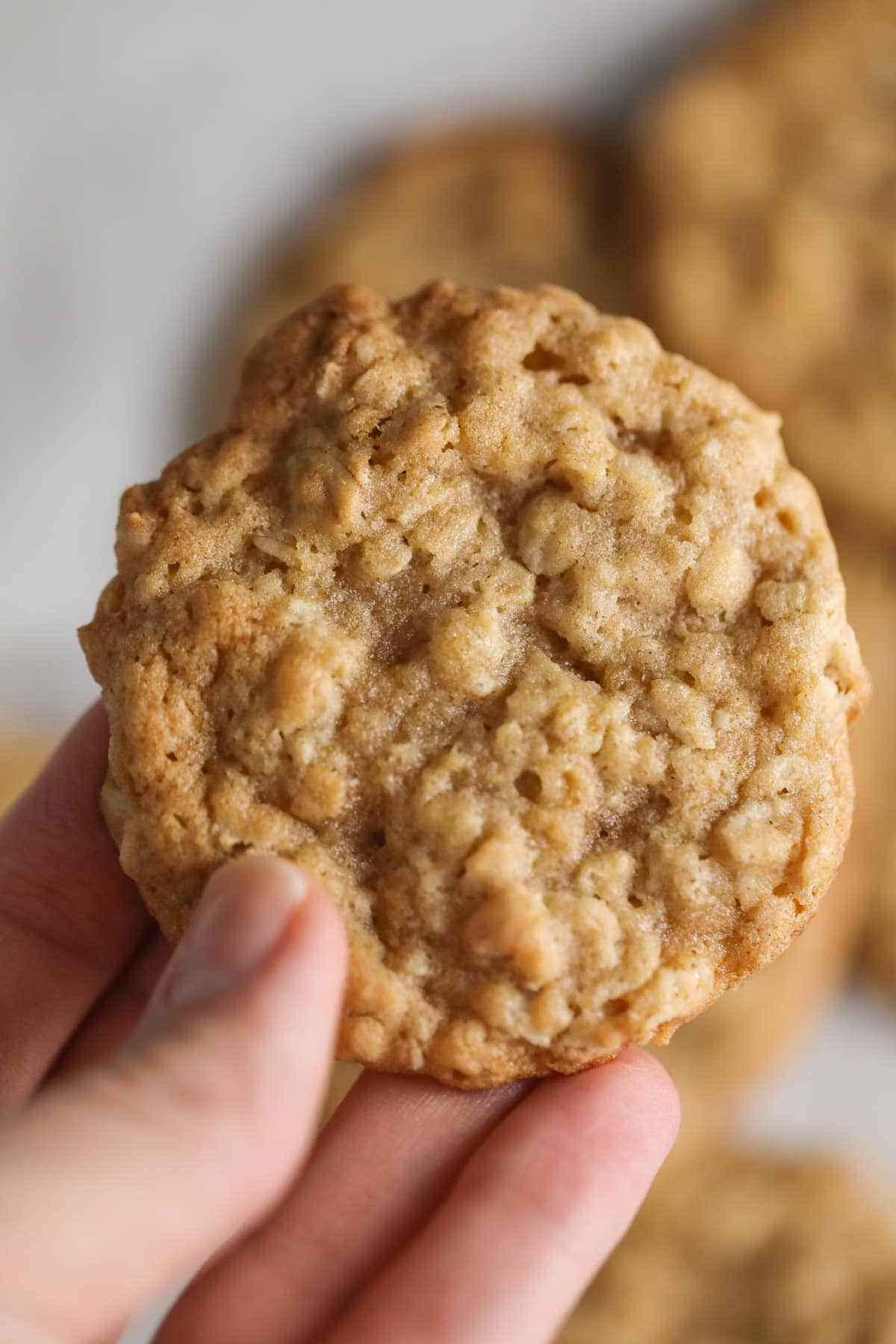
Chewy Oatmeal Cookies
Delicious, soft, and slightly chewy oatmeal cookies packed with flavor and perfect for breakfast or a snack. These cookies are made with rolled oats and a hint of cinnamon for warmth.
🥘Ingredients
- 2 cups rolled oats
- 1/2 cup old-fashioned oats
- 1/2 cup brown sugar
- 1/2 cup packed light brown sugar
- 1/2 cup creamy peanut butter
- 1/2 cup unsalted butter, softened
- 1 large egg
- 1 tsp vanilla extract
- 1 tsp ground cinnamon
- 1/2 tsp baking soda
- 1/2 tsp salt
- 1 cup all-purpose flour
- 1/2 cup chocolate chips
- 1/2 cup dried cranberries
- 1/2 cup chopped walnuts
👨🍳Directions
-
1
Preheat oven to 350°F (175°C). Line a baking sheet with parchment paper. -
2
In a large bowl, cream together the softened butter, brown sugars, and peanut butter until smooth and fluffy. -
3
Add the egg and vanilla extract, mixing well. In a separate bowl, combine the rolled oats, old-fashioned oats, cinnamon, baking soda, salt, and flour. -
4
Gradually add the dry ingredients to the wet ingredients, mixing until just combined. Stir in optional add-ins like chocolate chips, dried cranberries, or chopped nuts. -
5
Scoop out tablespoon-sized portions of dough and roll them into balls. Place them on the prepared baking sheet, spacing them about 2 inches apart. -
6
Flatten each dough ball slightly with your palm. Bake in the preheated oven for 10-12 minutes, or until edges are golden.
🔧Equipment
- Mixing bowls
- Whisk or fork
- Measuring cups and spoons
- Baking sheet
- Parchment paper
- Oven
📊Nutrition Facts (per serving)
📝Notes
Tips
- For extra chewiness, let the cookies cool slightly on the baking sheet before transferring them to a wire rack.
- Substitute peanut butter with almond butter or sunflower seed butter for a nut-free option.
- Ensure your butter is softened but not melted for the best texture.
- Store cookies in an airtight container at room temperature for up to 5 days.
Variations
- Add a teaspoon of espresso powder to the dough for a mocha flavor.
- Mix in 1/2 cup of shredded coconut for a tropical twist.
Watch Video Of How Chewy Oatmeal Cookies Works
❓ Frequently Asked Questions About Chewy Oatmeal Cookies
What is the secret to making these chewy oatmeal cookies taste extra moist and flavorful?
The secret lies in using a mix of melted butter and a splash of milk or cream to bind the ingredients, along with a pinch of baking soda and a bit of brown sugar. Also, let the dough rest for 30 minutes before baking to allow the flour to hydrate, which results in a softer texture. Adding a teaspoon of vanilla extract and a bit of cinnamon enhances the flavor naturally.
Why do my oatmeal cookies turn out dry instead of chewy?
Dry cookies usually happen when the butter isn’t melted properly or if you overbake them. Ensure the butter is fully melted but not browned, and preheat your oven to the correct temperature (usually 350°F/175°C). Check the cookies every 3-4 minutes after the initial baking time, as they’ll keep cooking. Also, avoid overmixing the dough—just combine until a shaggy mass forms.
Can I substitute any of the ingredients in this recipe?
Yes! Here are some swaps you can try:
– Oats: Use quick oats or rolled oats (just adjust texture slightly).
– Flour: Replace half the all-purpose flour with whole wheat flour for extra nutrition.
– Butter: Use coconut oil or vegetable shortening for a vegan option (add 1 tsp extra flour to compensate).
– Brown sugar: Swap with light brown sugar or even a mix of white sugar and molasses for depth.
– Eggs: Use flax eggs (1 tbsp ground flax + 3 tbsp water per egg) for a vegan version.
How long should I let the dough rest before baking?
Let the dough rest for at least 30 minutes at room temperature before baking. This step helps the flour absorb moisture, leading to a chewier texture. If you’re in a hurry, you can bake it right away, but the dough will be slightly less tender.
Why do my cookies spread too much while baking?
Cookie spread happens due to butter melting and flour absorbing moisture. To control it:
– Use a lower oven temperature (325°F/160°C) if your cookies spread easily.
– Chill the dough for 1 hour before baking—this firms up the butter slightly.
– Don’t overmix the dough; handle it gently.
– Use a slightly firmer dough ball when dropping cookies onto the baking sheet.

