
chinese vegetable soup recipe


The Best chinese vegetable soup recipe
I’m so excited to share this Chinese vegetable soup recipe with you all, as it’s been a staple in our household for years. This hearty soup is a perfect blend of tender vegetables, savory flavors, and a hint of Asian spices that will leave you wanting more. The best part?
It’s incredibly easy to make and requires minimal ingredients, making it a great option for busy weeknights or special occasions. My kids absolutely love helping me prepare the ingredients and watching the soup simmer on the stovetop, filling our kitchen with the most amazing aromas. As an added bonus, this soup is packed with nutrients from the variety of colorful vegetables used in the recipe.
From carrots and celery to bok choy and mushrooms, each bite is like a taste explosion in your mouth. I’ve experimented with different combinations of vegetables over the years, but this particular mix remains one of my favorites. The subtle sweetness of the carrots balances out the earthiness of the mushrooms, creating a truly harmonious flavor profile.
But what really sets this recipe apart is its versatility. Whether you’re looking for a comforting meal on a chilly evening or a healthy option for lunch, this Chinese vegetable soup fits the bill perfectly. I’ve served it at family gatherings, potlucks, and even as a quick dinner after school pickups – it never fails to impress!
And did I mention how easy it is to customize? Simply add or remove vegetables to suit your tastes and dietary needs. This Chinese vegetable soup recipe has become an integral part of our family’s cooking repertoire.
We enjoy it as often as we can, experimenting with new ingredients and techniques to keep things fresh and exciting. So grab your favorite veggies, get creative in the kitchen, and join me on this delicious culinary journey!
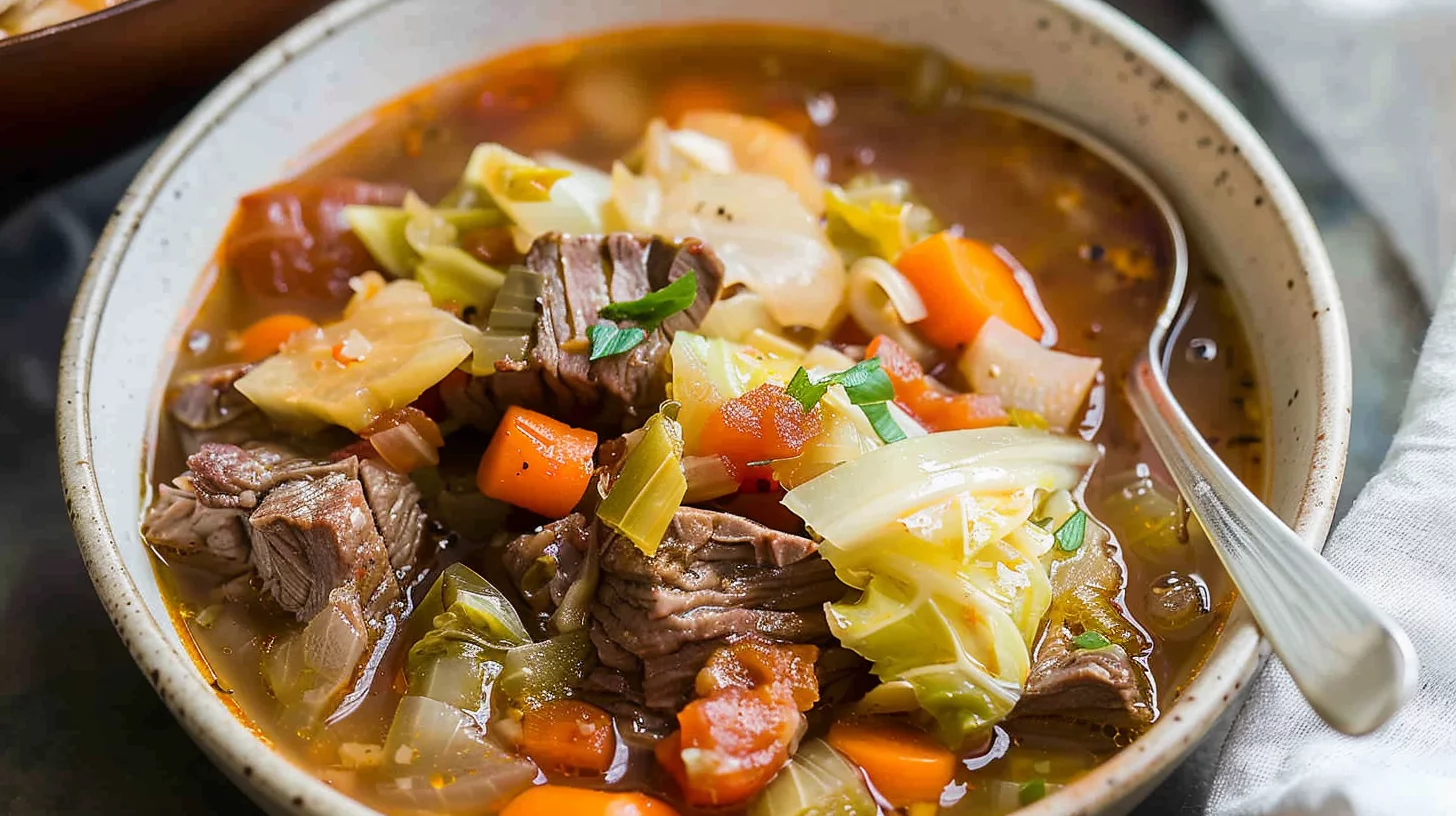
Chinese Vegetable Soup
A comforting and nourishing Chinese vegetable soup packed with a variety of fresh vegetables and aromatic spices. This soup is perfect for a light meal or as a side dish.
🥘Ingredients
Vegetables
Aromatics
Broth
Seasonings
Thickeners
👨🍳Directions
🔧Equipment
📊Nutrition Facts (per serving)
📝Notes
This Chinese vegetable soup recipe has become a staple in our household due to its versatility and simplicity. The combination of colors from various vegetables creates an impressive visual effect while serving it.
To make serving even easier: My kids love dipping their favorite bread slices into this delectable broth – they say it’s ‘like magic’!
You can also serve over rice or noodles for added texture variation. The beauty of this Chinese vegetable soup lies in its adaptability – feel free to experiment with different combinations of vegetables according to your dietary needs and preferences.
❓ Frequently Asked Questions About Chinese Vegetable Soup
Q: What type of vegetables should I use for this recipe?
This recipe is incredibly versatile when it comes to choosing vegetables. Feel free to experiment with whatever combination you like best! Some popular options include carrots, celery, bok choy, mushrooms (such as shiitake or cremini), bell peppers (any color), onions (white or yellow), garlic (minced), spinach leaves (fresh or frozen), baby corn (canned or fresh), leeks (thinly sliced), and green beans (trimmed). You can also add protein sources like cooked chicken, shrimp (peeled and deveined), tofu cubes (marinated or plain), or cooked lentils.
Q: Can I make this recipe in advance?
This Chinese vegetable soup recipe makes about 6-8 servings and can be refrigerated for up to 3 days or frozen for up to 2 months. When reheating leftovers, be sure to check for any signs of spoilage before consuming. To store leftovers safely:
- Let cool completely before transferring leftovers to an airtight container.
- Label containers with date stored.
- Store in refrigerator at 40°F (4°C) or below.
Q: How do I customize this recipe?
This Chinese vegetable soup is incredibly adaptable – simply adjust ingredient quantities based on personal preferences! If you prefer stronger flavors:
- Add more soy sauce.
- Increase ginger quantity.
To balance out flavors:
- Add more sesame oil.
- Increase sugar amount.
