
easy mayo recipe

The Best easy mayo recipe
I also really like that it’s a light, healthy base compared to some heavier dressings or sauces. It’s got good fats from the oil and eggs, which helps keep you full, and it’s just plain delicious on everything from burgers to salads. My husband says it’s the secret to his favorite sandwiches, and honestly? I can’t argue with that. It’s a no-fuss pantry staple that’s perfect for everyday cooking or when you want to impress guests with a homemade touch. Plus, there’s something satisfying about making it from scratch—it’s a small but meaningful way to control what goes into your food.
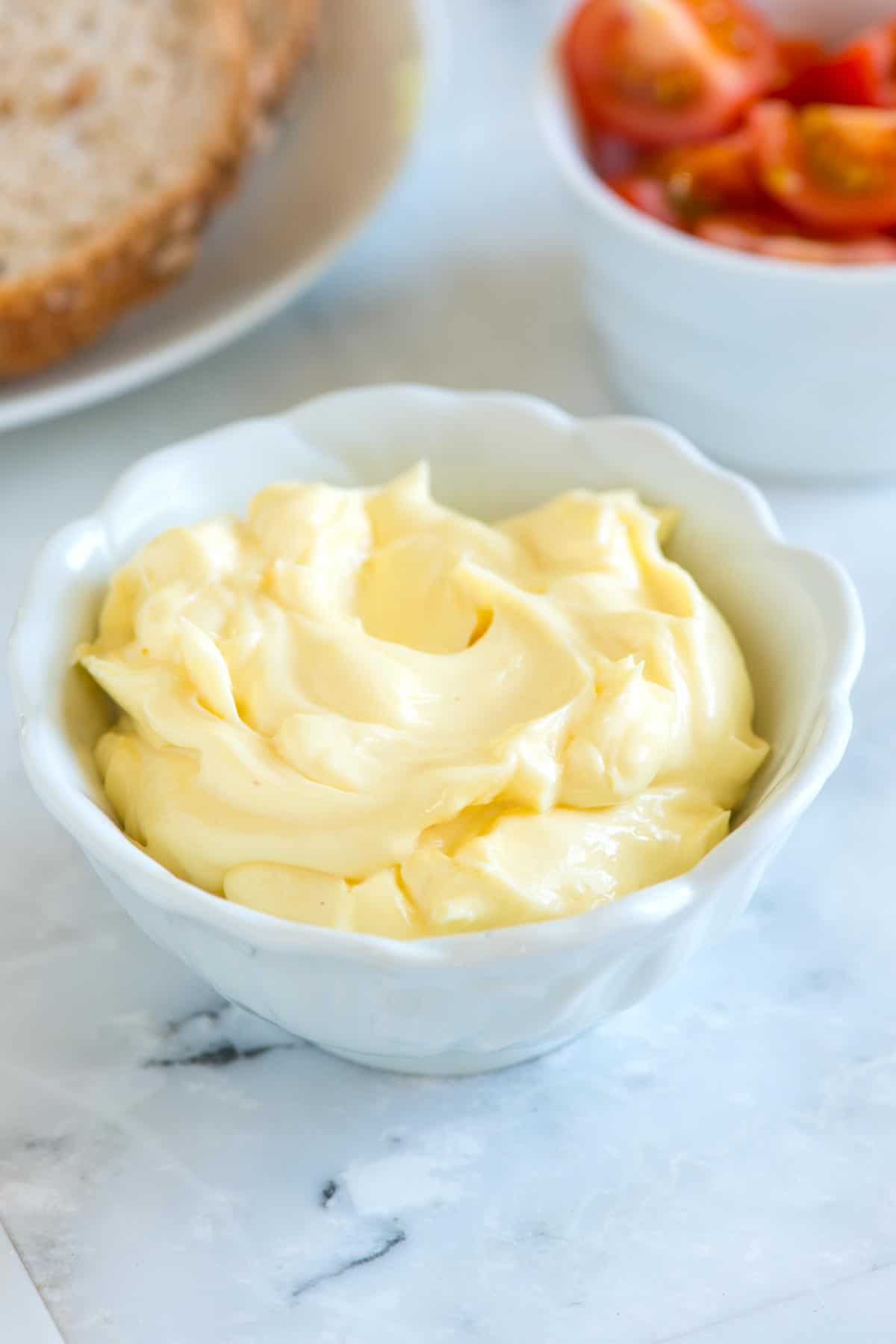
Easy Homemade Mayo
A simple, creamy homemade mayo that’s perfect for sandwiches, dips, or drizzling over veggies. No mayonnaise bottle needed—just a few pantry staples.
🥘Ingredients
- 1 cup mayonnaise (store-bought, full-fat)
- 1 large egg yolk
- 1 tablespoon lemon juice
- 1 teaspoon Dijon mustard
- 1 teaspoon apple cider vinegar
👨🍳Directions
-
1
In a clean bowl, whisk together the mayonnaise, egg yolk, lemon juice, Dijon mustard, and vinegar until smooth and fully combined. -
2
Taste and adjust seasoning if needed—add a pinch of salt or more lemon juice for tanginess. -
3
Transfer the mixture into a clean, airtight jar or container. Seal tightly and refrigerate for at least 2 hours before using.
🔧Equipment
- Mixing bowl
- Whisk
- Medium jar or container
📊Nutrition Facts (per serving)
📝Notes
Watch Video Of How Easy Homemade Mayo Works
❓ Frequently Asked Questions About Mayo
1. What is the best way to store homemade mayo?
Homemade mayo keeps best in the fridge for about 3–4 days, sealed tightly in an airtight container. For longer storage (up to 2 weeks), freeze it in an ice cube tray for small portions or directly in a jar. Thaw in the fridge before reheating—mayo is best served cold or room temperature.
2. Can I use store-bought mayo in this recipe instead of making it from scratch?
Yes, you can substitute store-bought mayo (like Hellmann’s or mayonnaise from a reputable brand) in a pinch. For a fresher taste, though, homemade mayo adds a subtle richness and creaminess that commercial versions often lack. If using, adjust the fat content slightly if you prefer a lighter texture.
3. What if my eggs turn out too runny?
If the mayo is too thin, let it sit at room temperature for 10–15 minutes before serving. If it’s still too watery, strain it through a fine-mesh sieve to remove excess liquid. For a thicker consistency, add 1 extra teaspoon of Dijon mustard or a pinch of salt to help emulsify.
4. Is this mayo safe for people with egg allergies?
No, this recipe contains raw eggs, which means it’s not suitable for those with severe egg allergies. For an egg-free alternative, use mayonnaise made with aquafaba (chickpea brine) or a store-bought vegan mayo blend. Always check labels for allergen warnings.
