
escabeche filipino food recipe

- The Best escabeche filipino food recipe
- Escabeche Filipino (Bagoong na Baboy with Escabeche Sauce)
- 🥘Ingredients
- 👨🍳Directions
- 🔧Equipment
- 📊Nutrition Facts (per serving)
- 📝Notes
- Watch Video Of How Escabeche Filipino (Bagoong na Baboy with Escabeche Sauce) Works
- ❓ Frequently Asked Questions About Escabeche Filipino (Bagoong na Baboy with Escabeche Sauce)
The Best escabeche filipino food recipe
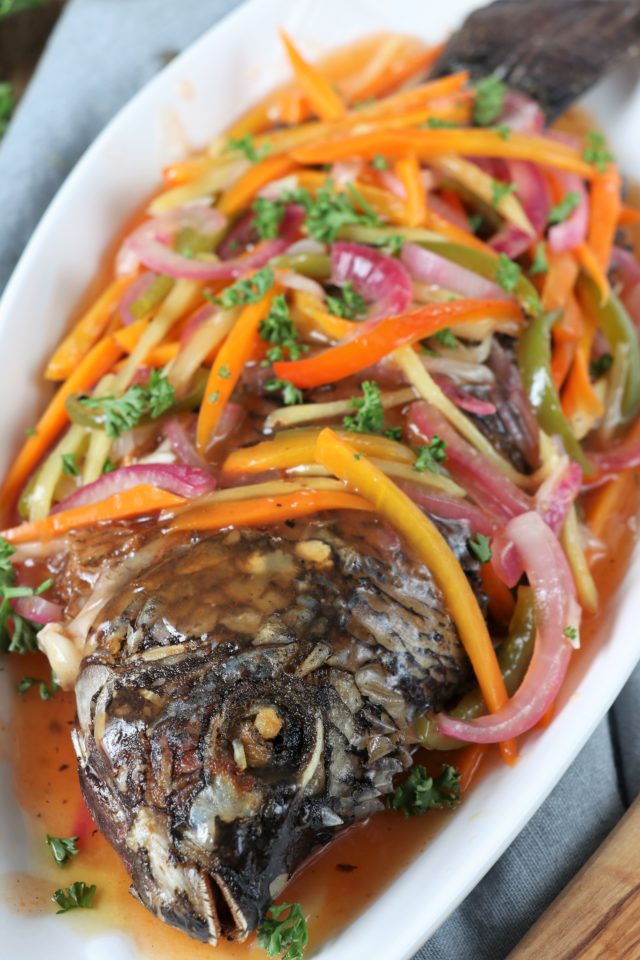
Escabeche Filipino (Bagoong na Baboy with Escabeche Sauce)
A tangy and flavorful Filipino dish featuring marinated pork belly in a spicy vinegar-based sauce, often served with rice. The escabeche sauce adds a bright, zesty kick to the dish.
🥘Ingredients
- 2 cups vinegar (white or rice vinegar)
- 1 large onion, thinly sliced
- 1 red bell pepper, sliced
- 1 tomato, diced
- 2 cloves garlic, minced
- 1 tsp red pepper flakes (adjust to taste)
- 1 tsp salt
- 1/2 tsp black pepper
- 1/2 cup water
- 1.5 lbs pork belly, cut into 1-inch cubes
- 1/2 cup soy sauce
- 1/2 cup calamansi juice (or lime juice)
- 1 tbsp brown sugar
- 1 tsp turmeric
- 1 tsp black pepper
- 1 tsp garlic powder
- 1 tsp ginger powder
- 1/2 cup bagoong (fermented shrimp paste, optional)
👨🍳Directions
-
1
Prepare the escabeche sauce: In a large bowl, combine vinegar, sliced onion, bell pepper, diced tomato, minced garlic, red pepper flakes, salt, black pepper, and water. Mix well and set aside. -
2
Marinate the pork belly: In a separate bowl, mix pork belly with soy sauce, calamansi juice, brown sugar, turmeric, black pepper, garlic powder, ginger powder, and bagoong. Ensure the pork is well coated. -
3
Marinate for at least 1 hour (or overnight for deeper flavor). Drain excess marinade if needed. -
4
Preheat oven to 375°F (190°C). Place the marinated pork belly in an oven-safe dish. -
5
Bake the pork for 45-50 minutes, flipping halfway, until tender and slightly charred. -
6
Prepare the escabeche sauce: In a pot, gently heat the vinegar mixture on low heat for 10 minutes to soften the vegetables. Strain if desired for a smoother texture. -
7
Serve the baked pork belly with the escabeche sauce poured over it. Pair with steamed white rice.
🔧Equipment
- Mixing bowls
- Cutting board
- Sharp knife
- Large pot
- Colander
- Oven-safe dish
- Mixing spoon
📊Nutrition Facts (per serving)
📝Notes
Tips
- For extra tanginess, add a splash of calamansi or tamarind juice.
- If using bagoong, ensure it’s properly fermented and not overly salty.
- Adjust spice levels by adding more or less red pepper flakes.
- Leftovers can be reheated gently and stored in the fridge for up to 3 days.
Variations
- Substitute pork belly with chicken or shrimp for a lighter option.
- Add sliced cucumber or carrots to the escabeche sauce for extra crunch.
Watch Video Of How Escabeche Filipino (Bagoong na Baboy with Escabeche Sauce) Works
❓ Frequently Asked Questions About Escabeche Filipino (Bagoong na Baboy with Escabeche Sauce)
1. What is escabeche and how does it is different from other Filipino pickled dishes?
Escabeche is a Filipino pickled dish made primarily with vegetables like tomatoes, onions, and sometimes squash or eggplant, cooked in vinegar, oil, and spices. Unlike other Filipino pickles like sinigang (sour soup) or patis-based pickles, escabeche is a simple, tangy, and slightly sweet dish with a crisp texture. It’s often served as a side or appetizer, offering a refreshing contrast to rich Filipino meals.
—
2. What ingredients are essential in making authentic Filipino escabeche?
The core ingredients for authentic Filipino escabeche include:
– Tomatoes (ripe, preferably vine-ripened)
– Onions (yellow or red, sliced)
– Garlic (minced)
– Squash or eggplant (optional, for extra texture)
– Vinegar (white or apple cider vinegar)
– Oil (vegetable or coconut oil)
– Salt (to taste)
– Bay leaves (optional, for aroma)
– Sugar (a pinch for slight sweetness, optional)
– Spices (like black peppercorns, cloves, or cinnamon, if preferred)
The key is balancing tanginess with a hint of sweetness and savory notes.
—
3. How long should escabeche be pickled for to achieve the best texture and flavor?
Escabeche should be left to pickle for at least 24 hours in the refrigerator to develop proper flavor and crispness. For deeper tanginess, it can be pickled for 3–5 days, though longer pickling may make it too sour. The longer it sits, the more the flavors meld, but the vegetables should remain firm and slightly crisp.
—
4. Can I substitute vinegar with another acid for pickling escabeche?
Yes, you can use alternatives like:
– Lemon juice (for a milder, brighter tang)
– Apple cider vinegar (similar to white vinegar but with a sweeter taste)
– Lime juice (if you prefer a citrusy twist)
However, vinegar is the traditional choice because it provides the right balance of acidity and preservation. Avoid using too much water or diluting the acidity too much, as this may affect the pickling process.
—
5. What are some creative ways to serve escabeche beyond just as a side dish?
Filipino escabeche is incredibly versatile! Here are some creative ways to enjoy it:
– As a topping for grilled meats (like kare-kare chicken or lechon) or fried fish.
– In salads with rice noodles, fresh herbs, or even in a sinigang-style soup.
– As a dip for puto (sweet rice cakes), bibingka, or tapsilog (fried egg and toast).
– In sandwiches with pancit or adobo-style fillings for a tangy crunch.
– As a garnish for halo-halo or ensaymada (Filipino pastries) for a refreshing contrast.
– In tacos or burritos for a Filipino-inspired twist on Mexican street food.


