
french meringue recipe

The Best french meringue recipe
Health-wise, French meringues are a great choice because they’re naturally gluten-free, dairy-free, and packed with protein from egg whites. They don’t contain any added sugar if you use a simple sweetener like honey or maple syrup, which makes them a lighter option compared to store-bought meringues. Plus, they’re easy to customize—swap in fruit, nuts, or even chocolate for variety. Whether you’re hosting a small gathering or just treating yourself, these meringues are a crowd-pleaser that’s as simple as it is delicious. My family loves them year-round, but they’re especially nice in the warmer months when you want something refreshing and light.
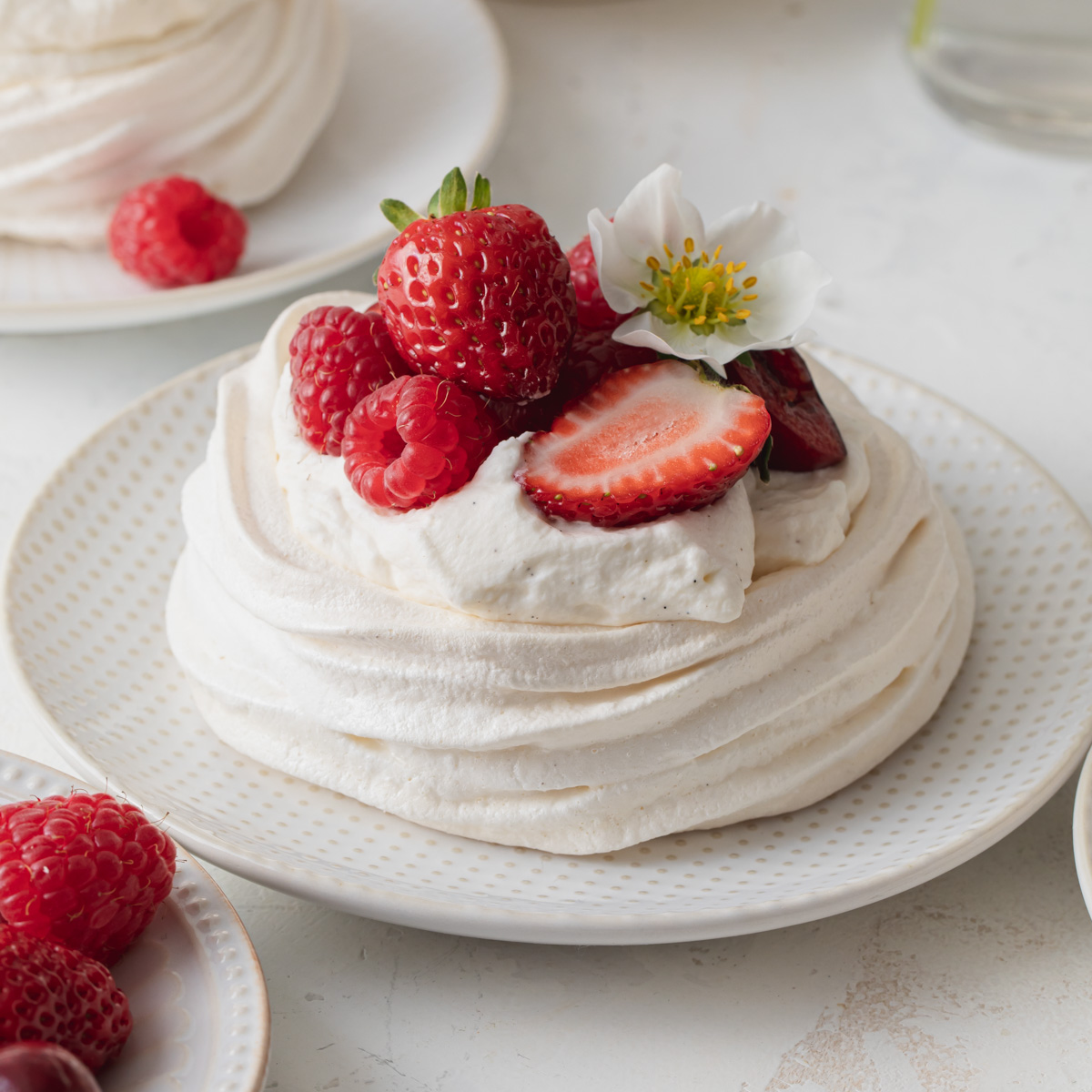
Classic French Meringue Sauce
A silky, stable French meringue sauce perfect for drizzling over desserts like crème brûlée, cheesecakes, or even savory dishes like ratatouille. This recipe is a must-try for any occasion.
🥘Ingredients
- 4 large egg whites
- 1 cup granulated sugar
- 1 tsp white vinegar
- Pinch of salt
👨🍳Directions
-
1
Preheat oven to 300°F. Line a baking sheet with parchment paper. -
2
In a clean, grease-free bowl, beat egg whites with a pinch of salt until soft peaks form. Gradually add sugar, one tablespoon at a time, beating after each addition until the meringue is stiff and glossy. -
3
Add a splash of vinegar to stabilize the meringue. Spoon the meringue onto the prepared baking sheet in even layers. Bake for 1.5 to 2 hours, until dry and slightly crisp. -
4
Allow the meringue to cool completely before grating or chopping it finely for the sauce. For the sauce, whisk the grated meringue with a little warm water until smooth.
🔧Equipment
- Mixing bowl
- Electric mixer
- Fine-mesh sieve
- Baking sheet
- Parchment paper
📊Nutrition Facts (per serving)
📝Notes
Watch Video Of How Classic French Meringue Sauce Works
❓ Frequently Asked Questions About French Meringue Sauce
1. What is the key difference between French meringue and Italian meringue?
French meringue relies on a sugar-salt syrup (bain-marie) to temper the egg whites, ensuring a smoother, more stable foam. Italian meringue uses a hot oven to cook the whites directly, resulting in a slightly firmer, less delicate texture.
2. Can I substitute meringue powder for fresh egg whites in this recipe?
Yes, you can use meringue powder by following the package instructions for a 1:1 ratio with fresh egg whites. However, the texture will differ slightly—powdered meringue may not hold as well for baking.
3. Why do some recipes call for a sugar syrup, while others just use raw sugar?
A sugar syrup (like the one in this French meringue method) stabilizes the egg whites by preventing them from absorbing too much moisture, which helps create a lighter, more stable meringue. Raw sugar alone can make the mixture too wet or grainy.
4. How do I know if my egg whites are too old or too thin for meringue?
Fresh egg whites should be bright white and hold their shape when whipped. If they’re pale, thin, or have a slight yellow tint, they’re too old. For thin whites, add a tiny bit more powdered sugar or beat longer until they thicken.
5. Can I make meringue ahead of time, and if so, how should I store it?
Yes, you can prepare meringue in advance. Store it in an airtight container at room temperature for up to 24 hours. For longer storage, freeze it for up to three months, then thaw in the fridge before using.


