
korean meatball recipe

The Best korean meatball recipe
What I love most about this recipe is how balanced it is—it’s got protein, fiber from the vegetables, and a little something for everyone’s taste buds. The meatballs aren’t overly fatty, and the sauce cuts through the richness without being heavy. My kids especially enjoy them because they’re not too spicy, but the flavors are bold enough to make them feel like a treat. It’s a dish that works for everyday meals as much as it does for holidays or potlucks, and it’s something I can make in big batches if I know we’ll be eating leftovers. Plus, the ingredients are easy to find and affordable, which is always a plus. It’s the kind of recipe that feels like a little love on the plate—simple, satisfying, and full of warmth.
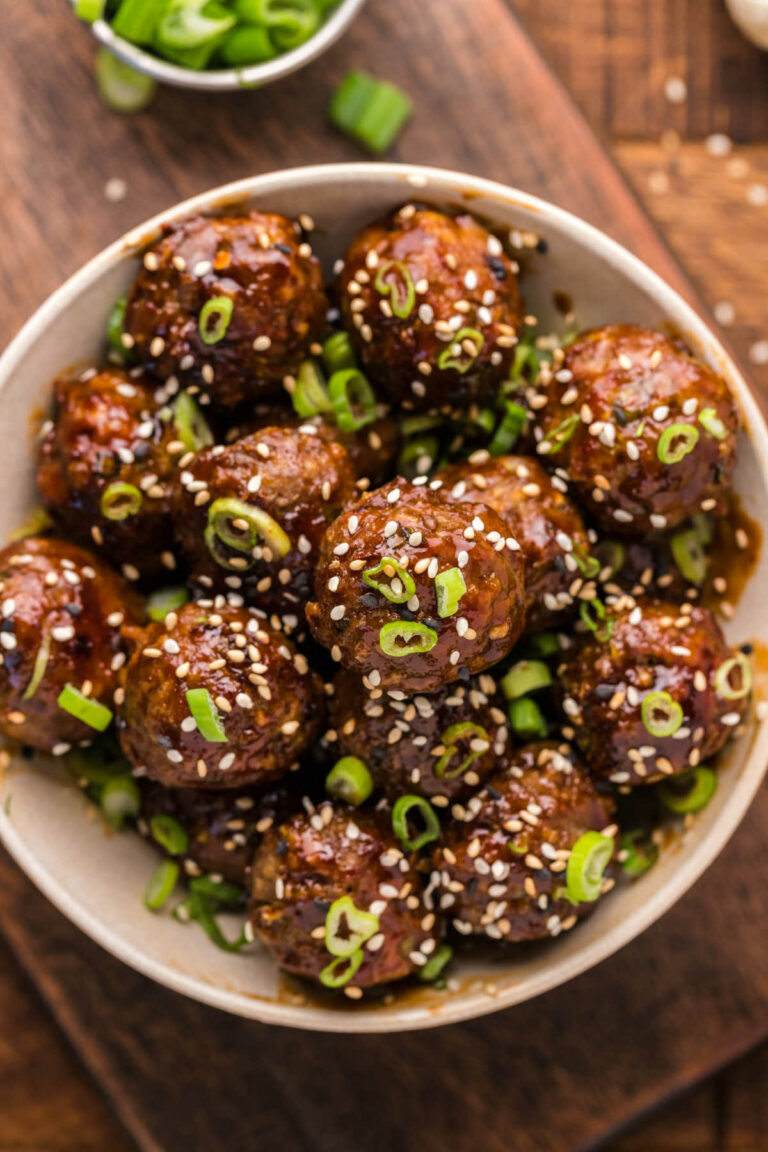
Classic Korean Meatballs (Gamja Bokkeumbap)
Tender, flavorful meatballs simmered in a savory-sweet tomato sauce, perfect for dipping in steamed rice or serving over noodles. This recipe is a must-try for any occasion.
🥘Ingredients
- 1 lb ground pork
- 1 cup breadcrumbs
- 1 egg
- 1 tsp garlic powder
- 1 tsp onion powder
- 1/2 tsp black pepper
- 1/2 tsp salt
- 1 cup tomato sauce
- 1/2 cup soy sauce
- 1 tbsp brown sugar
- 1 tbsp sesame oil
- 1 tbsp minced fresh ginger
- 2 cloves garlic, minced
- 1 tsp red pepper flakes (optional)
👨🍳Directions
-
1
Preheat oven to 400°F (200°C). In a large bowl, combine ground pork, breadcrumbs, egg, garlic powder, onion powder, black pepper, and salt. Mix until evenly coated. -
2
Using your hands, roll the mixture into 1-inch meatballs. Place them on a baking sheet lined with parchment paper. -
3
Preheat a skillet over medium-high heat. Add the meatballs in batches and brown on all sides, about 3–4 minutes per batch. -
4
In the same skillet, add the sauce ingredients and stir to combine. Pour the sauce over the meatballs and bring to a gentle simmer. Cook for 15–20 minutes, stirring occasionally, until the sauce thickens and the meatballs are tender.
🔧Equipment
- Mixing bowls
- Kitchen shears
- Oven-safe skillet
- Measuring cups
📊Nutrition Facts (per serving)
📝Notes
- For extra flavor, add a splash of rice vinegar or a dash of fish sauce to the sauce.
- Make ahead: Refrigerate meatballs in sauce for up to 2 days before reheating.
Watch Video Of How Classic Korean Meatballs (Gamja Bokkeumbap) Works
❓ Frequently Asked Questions About Korean Meatballs (Gamja Bokkeumbap)
How do I store leftover Korean meatballs?
Store cooked meatballs in an airtight container in the refrigerator for up to five days. To reheat, wrap them in foil and bake at 375°F (190°C) for 15–20 minutes or microwave for 1–2 minutes until hot. Freeze for longer storage—up to three months—by placing them in a freezer bag, removing excess air, and thawing in the fridge overnight before reheating.
Can I make this recipe without a pressure cooker?
Yes! For a stovetop alternative, simmer the meatballs in the broth covered by about an inch of liquid for 20–25 minutes until tender. Add extra broth if needed to prevent sticking. The meatballs will be slightly softer but still flavorful.
What’s the best way to serve these meatballs?
Serve them in classic Korean style with steamed rice, a side of kimchi, and a fresh cucumber salad. For a heartier meal, pair them with stir-fried vegetables or a simple egg fried in sesame oil. They also work well in soups or as a topping for noodle dishes.
Why do my meatballs turn out dry?
Overcooking or not enough fat in the pan can cause dryness. For juicier results:
– Sear the meatballs in a hot pan with 1 tablespoon of oil for 2–3 minutes per side before adding broth.
– Use slightly more broth than the recipe calls for (add ½ cup extra if needed).
– Ensure the meat is fully cooked but not overbrowned—dark brown is fine, but blackened bits will dry it out.
Can I substitute ground turkey or chicken for beef?
Yes! Ground turkey or chicken works well, but texture may differ slightly. For a richer flavor, mix it with ½ cup ground pork or beef to mimic the original recipe. Adjust seasoning slightly—add ½ teaspoon more of soy sauce or a pinch of sugar to balance the taste.


