
moroccan meal recipe

The Best moroccan meal recipe
I love this recipe because it’s versatile—you can make it with chicken, beef, or even chickpeas if you’re watching your protein intake. It’s packed with fiber and plant-based goodness, especially when you add veggies like carrots, onions, and zucchini. The slow cooking process means it’s gentle on digestion, and the spices have real health benefits too. Cumin helps with digestion, turmeric has anti-inflammatory properties, and the healthy fats from the olive oil keep things balanced. My family loves it because it’s always a crowd-pleaser, and it’s something we can make ahead and reheat—no one ever notices it’s been sitting in the fridge for a day or two. Plus, the aroma when it’s simmering is just enough to make you want to dig in right away. It’s that kind of dish that feels like a hug in a bowl.
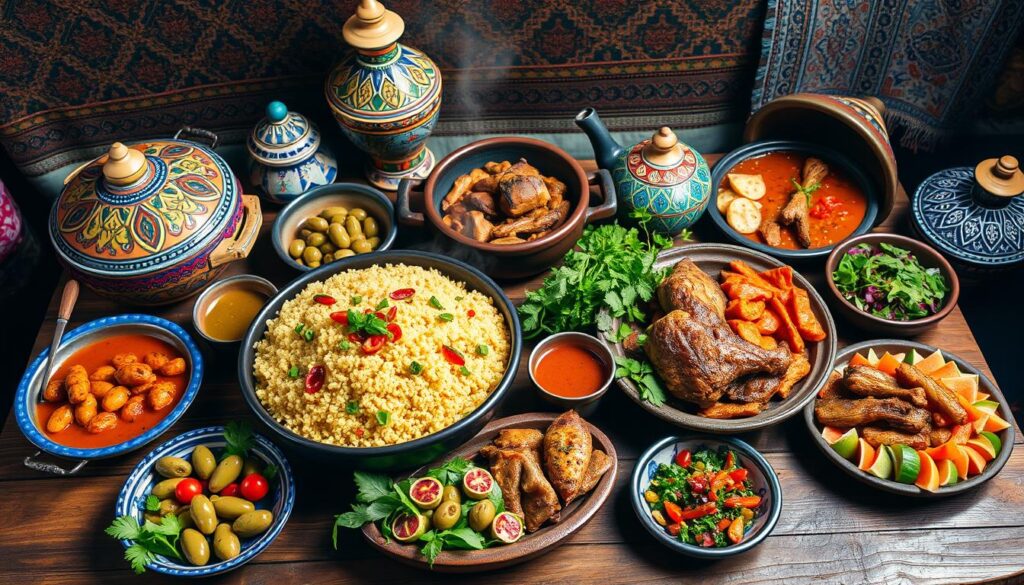
Moroccan Tagine with Chickpeas and Apples
A flavorful and aromatic Moroccan dish featuring tender chickpeas, sweet apples, and warm spices in a rich tomato-based sauce. This recipe is a must-try for any occasion.
🥘Ingredients
- 1 cup whole wheat flour
- 1 tsp salt
- 1/2 tsp cumin
- 1/4 tsp cinnamon
- 1/4 cup warm water
- 1 tbsp olive oil
- 1 large onion, finely chopped
- 3 cloves garlic, minced
- 1 can (14 oz) crushed tomatoes
- 1 tsp ground cumin
- 1 tsp smoked paprika
- 1/2 tsp turmeric
- 1/2 tsp cinnamon
- 1 bay leaf
- 1 cup chicken or vegetable broth
- 1 lb lamb shoulder or chicken thighs, cut into chunks
- 1 large apple, peeled and sliced
- 1 small carrot, sliced
- 1 small zucchini, sliced
- 1/2 cup chickpeas (canned, drained and rinsed)
- 1 tbsp honey
- 1 tbsp lemon juice
- Fresh parsley, chopped (for garnish)
👨🍳Directions
-
1
Preheat oven to 375°F (190°C). If making a baked tagine, grease a baking dish. -
2
For the dough: Mix flour, salt, cumin, cinnamon, and water into a dough. Knead lightly and rest for 10 minutes. -
3
In a large pot, heat olive oil over medium heat. Sauté onion and garlic until soft (~5 mins). Add tomatoes, spices, bay leaf, and broth. Simmer for 15 mins. -
4
In a separate pan, cook meat in a little oil until browned. Add chickpeas, apple, carrot, and zucchini. Pour sauce over the mixture and simmer for 20 mins. -
5
For optional baked tagine: Transfer the mixture to the prepared baking dish, drizzle with honey and lemon juice, and bake for 25 mins. -
6
Garnish with fresh parsley and serve with warm flatbread or couscous.
🔧Equipment
- Large pot or tagine
- Knife and cutting board
- Mixing bowls
- Wooden spoon
- Oven (for optional baked tagine)
- Serving platter
📊Nutrition Facts (per serving)
📝Notes
Tips
- For extra richness, add a splash of cream or coconut milk to the sauce.
- Substitute lamb with chicken or tofu for a vegetarian version.
- Ensure apples are peeled to avoid bitterness and to enhance sweetness.
Adaptations
- Use a mix of whole wheat and regular flour for the dough if preferred.
Watch Video Of How Moroccan Tagine with Chickpeas and Apples Works
❓ Frequently Asked Questions About Moroccan Tagine with Chickpeas and Apples
What is the traditional Moroccan meal that is commonly served at home and in restaurants?
A traditional Moroccan home meal often includes Tagine, a slow-cooked stew typically made with meat (like lamb or chicken), vegetables, and spices. Another staple is Harira, a hearty soup with lentils, chickpeas, meat, and tomatoes. Couscous, a steamed semolina dish, is also a staple, often served with meat, vegetables, or as a vegetarian option with zitouni (olive oil and lemon dressing). For dessert, Makrout (sweet fried dough) or Msemen (flaky pancakes) are popular.
—
How do I prepare a basic Tagine recipe for beginners?
A simple lamb tagine can be made by first browning lamb shoulder chunks in a pot with olive oil. Add onions, garlic, and spices like cumin, coriander, cinnamon, and turmeric. Pour in water or broth, cover, and simmer for 2–3 hours until tender. Stir in tomatoes, carrots, and apricots (or raisins) for the last 30 minutes. Serve with couscous or flatbread.
—
What are the key spices used in Moroccan cooking, and where can I find them?
Moroccan cuisine relies on aromatic spices like cumin, coriander, cinnamon, turmeric, saffron, and ras el hanout (a blend of warm spices). You can find these in Middle Eastern or specialty spice shops, or online retailers like Amazon, Spicewalla, or local grocery stores with international sections. For authentic flavors, look for whole spices and grind them fresh when possible.
—
Can I make a vegetarian Moroccan meal, and what are the vegetables commonly used?
Yes! A classic vegetarian Moroccan meal includes zitouni (olive oil and lemon dressing), harissa (spicy chili paste), and couscous with vegetables. Common veggies used are eggplant, zucchini, carrots, tomatoes, bell peppers, and spinach. Lentils and chickpeas are also staples, often cooked in stews like harissa lentils or soup with chickpeas and meat (if desired).
—
What is the cultural significance of Moroccan meals, and how do them reflect the country’s history?
Moroccan meals reflect the country’s diverse cultural influences, blending Berber, Arab, and Mediterranean traditions. Dishes like couscous (originating from North Africa) and tagine (from the Tagadart tribe) showcase Berber heritage, while spices like saffron and cinnamon trace back to Arab trade routes. The communal nature of meals—served family-style—also highlights Moroccan hospitality, where sharing food strengthens bonds. Festivals like Ramadan and Eid feature special dishes like soup with meatballs (soup de poulet) and desserts like baklava, reinforcing the country’s rich culinary identity.
