
okinawan shoyu pork recipe

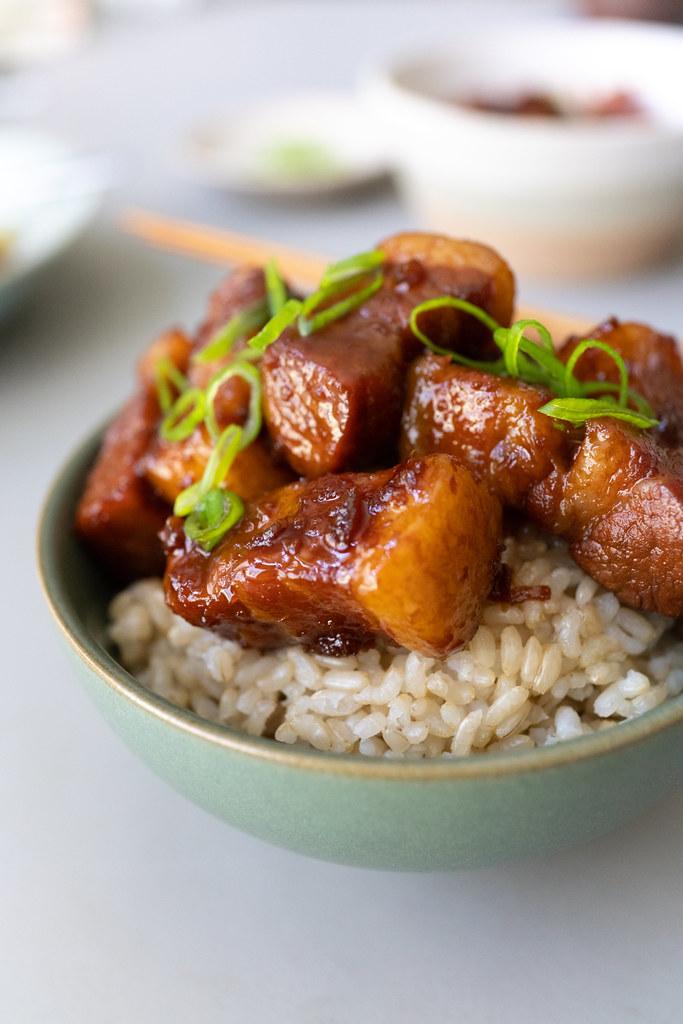
The Best okinawan shoyu pork recipe
What I love most about this recipe is how versatile it is. It’s hearty enough for a Sunday dinner but easy enough to throw together on a busy weeknight. The marinade is made with shoyu (Japanese soy sauce), brown sugar, garlic, and ginger, which gives it that deep, umami-packed flavor without any weird additives. Plus, the slow cooking makes the pork melt-in-your-mouth tender, and since it’s mostly protein and a little bit of natural sweetness, it feels like a balanced meal. I’ve even packed leftovers in lunchboxes the next day, and it reheats like a dream. If you’re looking for a dish that’s comforting, crowd-pleasing, and actually good for you, this is the one.
Okinawan Shoyu Pork (Rafute)
A rich and savory Okinawan-style braised pork belly dish, slow-cooked in a sweet and salty soy-based sauce. This melt-in-your-mouth pork is a staple in Okinawan cuisine and pairs perfectly with steamed rice.
🥘Ingredients
- 1.5 lbs (700g) pork belly, cut into 1.5-inch chunks
- 1 piece (2-inch) fresh ginger, sliced
- 4 cloves garlic, smashed
- 1 large yellow onion, quartered
- 4 green onions, cut into 2-inch pieces
- 1 cup soy sauce (preferably Japanese shoyu)
- 1/2 cup awamori (Okinawan liquor) or substitute with sake or dry sherry
- 1/2 cup brown sugar
- 1/4 cup mirin
- 1 cup water or dashi stock
- 1 tbsp honey (optional, for extra sweetness)
- Pickled red ginger (beni shoga)
- Steamed rice for serving
👨🍳Directions
-
1
Blanch the pork belly: In a large pot, add the pork belly chunks and cover with cold water. Bring to a boil, then reduce heat and simmer for 5 minutes. Drain and rinse the pork under cold water to remove impurities. -
2
Sauté aromatics: In the same pot, add a small amount of oil (if needed) and sauté the ginger, garlic, onion, and green onions over medium heat for 2-3 minutes until fragrant. -
3
Combine ingredients: Return the pork belly to the pot. Add soy sauce, awamori (or substitute), brown sugar, mirin, water (or dashi), and honey. Stir to combine and bring to a gentle simmer. -
4
Braise the pork: Reduce heat to low, cover the pot, and let the pork simmer for 2 to 2.5 hours, stirring occasionally. The pork should become tender and the sauce should reduce slightly. -
5
Adjust seasoning: Taste the sauce and adjust sweetness or saltiness as needed. If the sauce is too thin, simmer uncovered for an additional 10-15 minutes to thicken. -
6
Serve: Remove the pork from the sauce and slice into thinner pieces if desired. Serve over steamed rice, drizzled with the reduced sauce, and garnished with pickled red ginger.
🔧Equipment
- Large pot or Dutch oven with lid
- Tongs
- Cutting board
- Knife
- Measuring cups and spoons
📊Nutrition Facts (per serving)
📝Notes
Watch Video Of How Okinawan Shoyu Pork (Rafute) Works
❓ Frequently Asked Questions About Okinawan Shoyu Pork (Rafute)
1. What is Okinawan Shoyu Pork?
Okinawan Shoyu Pork, also known as Rafute, is a traditional dish from Okinawa, Japan. It consists of tender, slow-cooked pork belly braised in a sweet and savory sauce made with soy sauce (shoyu), brown sugar, awamori (Okinawan liquor), and other aromatics. The dish is rich, melt-in-your-mouth tender, and often served with steamed rice or as part of a larger meal.
2. Can I make Okinawan Shoyu Pork without awamori?
Yes! While awamori adds a unique depth of flavor, you can substitute it with other alcohols like sake, dry sherry, or even a light rum. If you prefer a non-alcoholic version, use a mix of apple juice and a splash of rice vinegar to mimic the sweetness and acidity. The dish will still turn out delicious, though the flavor profile may vary slightly.
3. How do I prevent the pork belly from becoming too greasy?
To reduce excess grease, start by blanching the pork belly in boiling water for 5–10 minutes before braising to remove impurities. After cooking, let the dish cool slightly and skim off the fat that rises to the surface. Alternatively, you can chill the dish overnight and remove the solidified fat before reheating. Using a leaner cut of pork, like pork shoulder, can also help, though it won’t be as tender as pork belly.
4. Can I make Okinawan Shoyu Pork in a slow cooker or Instant Pot?
Absolutely! For a slow cooker, sear the pork belly first, then transfer it to the cooker with the braising liquid. Cook on low for 6–8 hours or high for 4–5 hours. For an Instant Pot, use the sauté function to sear the pork, then pressure cook on high for 35–40 minutes with a natural release. Both methods yield tender, flavorful results with minimal effort.
5. How long does Okinawan Shoyu Pork keep, and how should I reheat it?
The dish keeps well in the refrigerator for 3–4 days or in the freezer for up to 3 months. To reheat, place the pork and sauce in a pot over low heat, adding a splash of water or broth if needed to prevent drying. For microwave reheating, cover the dish and heat in 30-second intervals, stirring occasionally. Avoid high heat to keep the pork tender.

