
recipe for starter for friendship bread

The Best recipe for starter for friendship bread
What I really appreciate about this recipe is how it’s balanced—it’s not too heavy, not too light, and packed with whole grains that give you steady energy. My husband and kids have noticed how it keeps them full longer than store-bought bread, and I love that it’s made with real ingredients, no weird preservatives or additives. It’s also a great way to use up extra fruit or nuts you might have on hand, so it’s flexible and practical. Whether it’s for a weekend brunch, a picnic, or just a simple weeknight meal, this bread never disappoints. My kids especially love how it’s slightly chewy but still soft, and it’s always a hit with guests when we serve it with homemade jam or fresh fruit. It’s that kind of bread that feels like a little treat, not something you have to overthink.
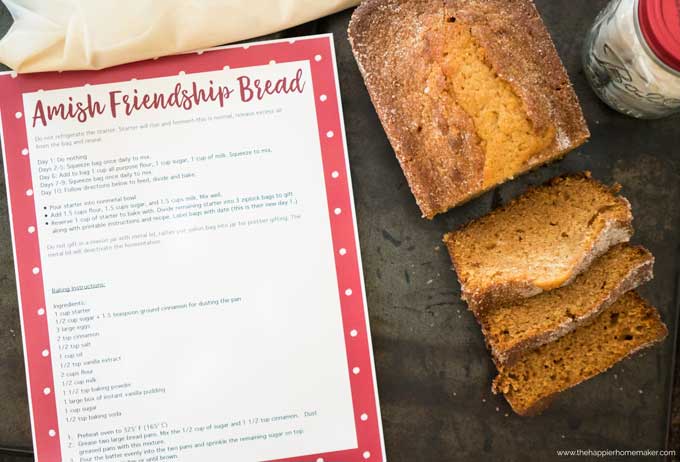
Starter for Friendship Bread
A simple and hearty starter made with fresh herbs and a touch of garlic, perfect for pairing with warm bread. This flavorful starter enhances the taste of any bread loaf, making it ideal for gatherings and sharing with friends.
🥘Ingredients
- 2 cups all-purpose flour
- 1 tsp salt
- 1 packet (2 ¼ tsp) active dry yeast
- 1 cup warm water (about 110°F)
- 1 tbsp olive oil
- 1 cup whole wheat flour
- 1 tbsp fresh parsley, finely chopped
- 1 tbsp fresh chives, finely chopped
- 2 cloves garlic, minced
- 1 tsp dried oregano
- ½ tsp black pepper
- 1 tbsp olive oil
👨🍳Directions
-
1
In a mixing bowl, dissolve the yeast in warm water with a pinch of sugar (if using). Let it sit for 5–10 minutes until foamy. -
2
In another bowl, combine flour, salt, olive oil, and the parsley, chives, garlic, oregano, and pepper. Mix well. -
3
Pour the yeast mixture into the dry ingredients and stir until a dough forms. Knead lightly for 2–3 minutes until smooth. -
4
Divide the dough into two equal parts. Place one part on a floured surface, shape into a ball, and place it in a lightly greased bowl. Cover with a damp towel or plastic wrap and let it rise in a warm place for 1–2 hours, or until doubled in size. -
5
Preheat the oven to 375°F (190°C). Roll out the risen dough into a rectangle, spread the starter mix evenly over it, then roll it up tightly into a log. Place on a baking sheet. -
6
Bake for 20–25 minutes until golden brown. Let cool before serving.
🔧Equipment
- Mixing bowls
- Kitchen scale (optional but helpful)
- Whisk or wooden spoon
- Clean kitchen towel or plastic wrap
- Oven
- Baking sheet
📊Nutrition Facts (per serving)
📝Notes
Tips
- For a richer flavor, add a pinch of red pepper flakes or a dash of balsamic vinegar to the starter mix.
- Ensure the yeast is active by testing it in warm water before using. If it doesn’t foam, discard it and use fresh yeast.
- Store any leftover starter in the fridge for up to 5 days, or freeze for longer storage.
Variations
- Swap parsley and chives for fresh basil and thyme for a Mediterranean twist.
- Add a spoonful of grated Parmesan cheese to the dough for an extra savory note.
Watch Video Of How Starter for Friendship Bread Works
❓ Frequently Asked Questions About Starter for Friendship Bread
What is the best way to prepare the starter for friendship bread to ensure it rises properly?
To ensure your starter rises effectively, mix 100g of whole wheat flour or all-purpose flour with 50g of water and 10g of sugar (or honey). Let it sit at room temperature for 12-24 hours until it doubles in size. For the best results, use a clean, airtight container and avoid overmixing.
—
How long does it take for the starter to fully activate and be ready for baking?
The starter typically takes 3 to 7 days to fully activate, depending on temperature and ingredients. Check daily by letting it sit at room temperature—it’s ready when it doubles in size within 4-6 hours after feeding. If it’s sluggish, try increasing flour slightly or using slightly warmer water.
—
What are the key ingredients and their roles in the starter for friendship bread?
The essential ingredients are:
– Flour (whole wheat or all-purpose) – Provides structure and nutrients for fermentation.
– Water – Hydrates the yeast and activates fermentation.
– Sugar (or honey) – Feeds the yeast, speeding up the rise.
– A pinch of salt (optional) – Enhances flavor and helps preserve the bread.
For the bread itself, warm water, olive oil, and whole wheat flour are key for a soft, hearty texture.
—
Can I use a different type of flour in the starter, and if so, which one works best?
Yes! While whole wheat or all-purpose flour work well, you can also try:
– Rye flour (for a denser, tangier starter).
– Sourdough starter (if you already have one, mix 50% starter + 50% flour).
Avoid highly processed flours like white bread flour, as they may not feed the yeast as effectively.
—
What should I do if my starter doesn’t rise after feeding it?
If your starter isn’t rising, try these fixes:
1. Check temperature – Ideal range is 70–75°F (21–24°C). If too cold, move it to a warmer spot.
2. Adjust hydration – If too dry, add 10g more water; if too wet, add 5g flour.
3. Wait longer – Some starters take up to 10 hours to rise. Test by letting it sit for 4–6 hours before feeding.
4. Feed more frequently – If sluggish, feed it twice daily for a few days until it revives.
