
roasted peppers recipe

The Best roasted peppers recipe
I love that roasted peppers are a great way to use up whatever’s left over in the garden or the produce section of the store. They’re packed with vitamins—especially vitamin C and A—and they’re low in calories but high in flavor. My family loves them for breakfast, lunch, or even as a side for grilled meats. They’re perfect for a quick weeknight dinner when you need something hearty but not too complicated. Plus, they’re great for meal prep because they keep well in the fridge for a few days, so you can have them ready whenever you want. I especially enjoy them during the summer when the garden is bursting with fresh peppers, but they work just as well in the fall when you’re still getting those last harvests. They’re that kind of dish that feels like a little treat without being too much work.
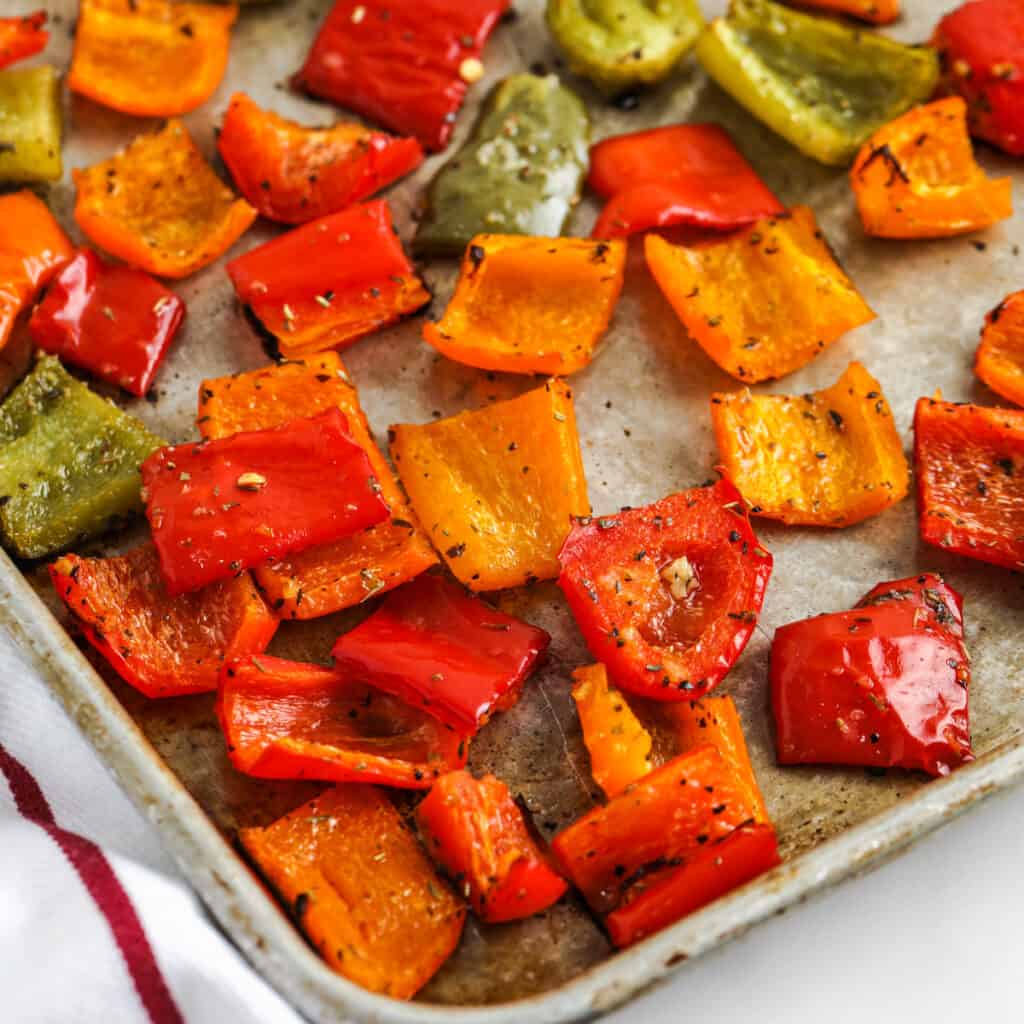
Roasted Bell Peppers with Garlic and Herbs
A flavorful dish featuring roasted bell peppers infused with garlic, herbs, and a touch of olive oil, perfect for adding to salads, pasta, or as a side dish. This recipe is a must-try for any occasion.
🥘Ingredients
- 4 large bell peppers (mixed colors)
- 2 tbsp olive oil
- 1 tsp salt
- ½ tsp black pepper
- 1 tsp dried oregano
- 1 tsp dried basil
- 1 tbsp fresh parsley, chopped
- 1 tbsp fresh basil, chopped
- 1 clove garlic, minced
👨🍳Directions
-
1
Preheat oven to 400°F (200°C). Cut the bell peppers into strips or leave whole if preferred. -
2
In a large bowl, toss the pepper strips with olive oil, salt, black pepper, oregano, and basil. -
3
Spread the peppers evenly on a baking sheet lined with parchment paper. -
4
Roast for 20-25 minutes, flipping halfway, until peppers are tender and slightly charred. -
5
Let peppers cool slightly, then chop into bite-sized pieces. Garnish with fresh parsley, basil, and minced garlic if using.
🔧Equipment
- Cutting board
- Knife
- Mixing bowl
- Oven
- Tongs
- Serving platter
📊Nutrition Facts (per serving)
📝Notes
- For extra flavor, add a pinch of red pepper flakes or smoked paprika.
- Store roasted peppers in an airtight container for up to 5 days or freeze for longer storage.
- Great as a side, in salads, or mixed into pasta dishes.
Watch Video Of How Roasted Bell Peppers with Garlic and Herbs Works
❓ Frequently Asked Questions About Roasted Bell Peppers with Garlic and Herbs
What is the best way to prepare roasted peppers for the recipe?
To prepare roasted peppers, first wash them thoroughly under cold water. Cut off the stems and any visible seeds, then trim the ends. Place them in a baking dish, drizzle with olive oil, and roast at 400°F (200°C) for 20-30 minutes until blistered and tender. For extra flavor, sprinkle with salt and let them sit uncovered for 10-15 minutes before peeling and chopping.
How long should I roast the peppers for to achieve the best texture?
Roast the peppers for about 20-30 minutes, depending on their size. Smaller peppers will cook faster, while larger ones may take up to 35 minutes. Keep an eye on them to avoid burning. The ideal time ensures they’re blistered and tender but not charred.
Can I use any type of pepper in this recipe, or should I stick to bell peppers?
While bell peppers are the most common choice, you can use other roasted peppers like red, yellow, or green bell peppers, jalapeños, or even chili peppers for a spicy twist. Just adjust cooking time based on thickness—thinner peppers roast quicker. For extra depth, consider using fresh heirloom peppers or smoked paprika in the marinade.
Why should I let the roasted peppers sit uncovered after roasting?
Letting the roasted peppers sit uncovered after roasting helps them release excess moisture, which prevents them from turning mushy. The uncovered time (10-15 minutes) also allows the oils to concentrate, enhancing flavor. Additionally, this step helps the skin blister properly, making peeling easier later.
How can I store leftover roasted peppers to maintain freshness?
Store roasted peppers in an airtight container in the fridge for up to 5 days. To extend freshness further, freeze them in a single layer on a tray first, then transfer to a bag or container for up to 3 months. When ready to use, thaw in the fridge overnight or reheat gently in a pan with a little oil to restore texture.
