
smoothie recipe with frozen fruit

The Best smoothie recipe with frozen fruit
This smoothie is also perfect for any occasion. Whether it’s a busy weeknight after school or a lazy weekend morning, it’s quick to whip up in the blender and just as easy to take on the go. My husband says it’s his go-to when he’s running late in the morning, and honestly, I get why—it’s like a mini breakfast or snack that doesn’t require any cleanup. Plus, it’s great for meal prep if you’re batch-cooking smoothies for the week. The health benefits are real too. Frozen fruit means no added sugar, and the mix of fruits gives you fiber, antioxidants, and vitamins that keep you energized without the crash. I’ve noticed my kids are more alert after a smoothie, and I feel lighter too. It’s a simple way to make sure everyone in the family is getting some good nutrition without making it feel like a sacrifice. Plus, it’s a great way to sneak in veggies if you’re blending in some spinach or kale—no one will even know it’s there. It’s just another reason why this recipe is a staple in our house.
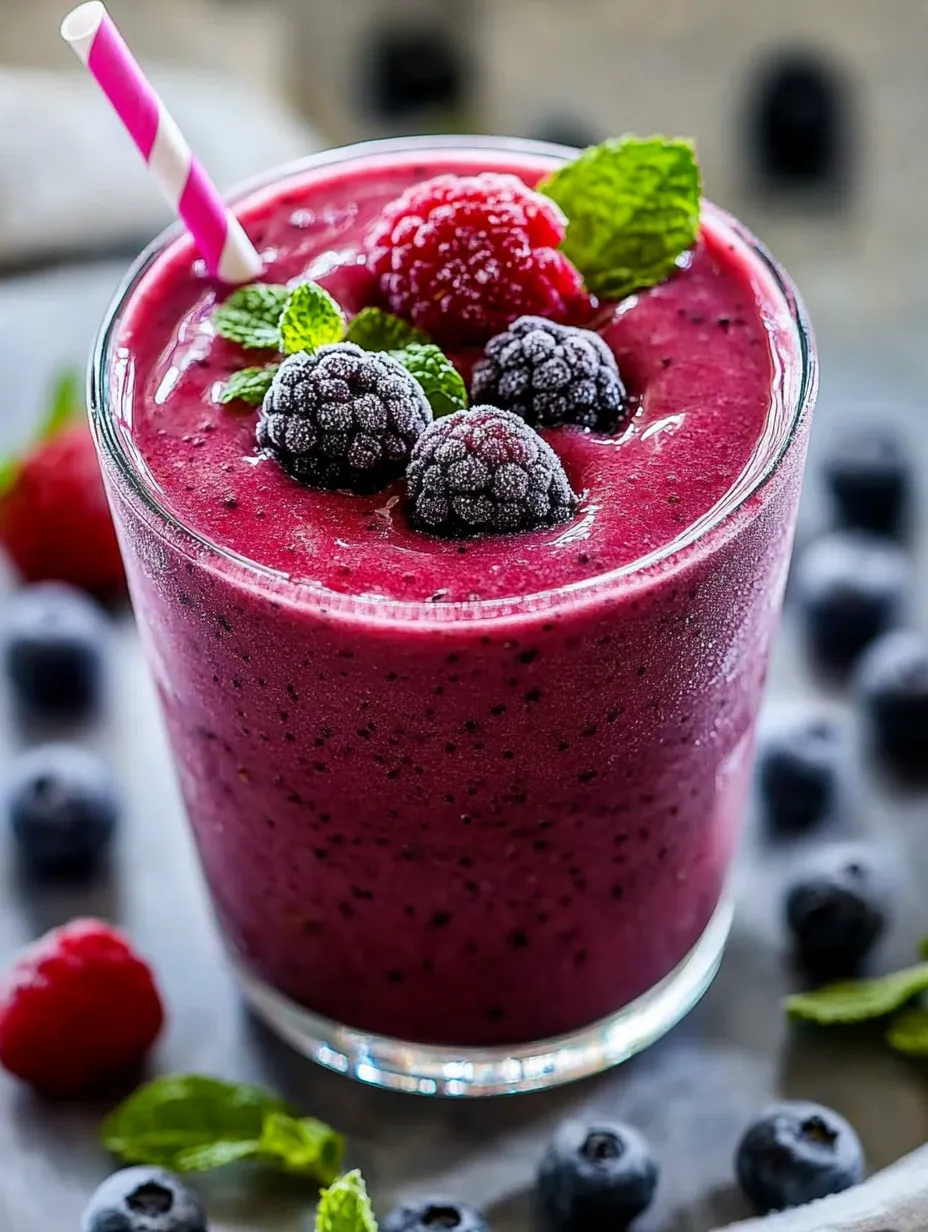
Ultimate Frozen Fruit Smoothie
A refreshing, nutrient-packed smoothie made with frozen fruit, yogurt, and a touch of honey for a creamy and delicious treat. This recipe is a must-try for any occasion.
🥘Ingredients
- 1 cup frozen mixed berries (strawberries, blueberries, raspberries)
- 1 frozen banana
- ½ cup frozen mango chunks
- ½ cup Greek yogurt (plain, non-fat)
- ½ cup unsweetened almond milk
- 1 tsp honey or maple syrup (adjust to taste)
- 1 tbsp chia seeds
- ½ tsp vanilla extract
- Ice cubes (optional, if desired)
👨🍳Directions
-
1
In a blender, combine frozen mixed berries, frozen banana, frozen mango chunks, Greek yogurt, and almond milk. -
2
Blend on high speed until smooth and creamy, scraping down the sides as needed. -
3
If using, add honey, chia seeds, or vanilla extract and blend again for an even smoother texture. -
4
Pour into glasses and serve immediately, topped with additional berries or a sprinkle of chia seeds if desired.
🔧Equipment
- Blender
- Measuring cups
- Large bowl
📊Nutrition Facts (per serving)
📝Notes
Tips
- For extra protein, add a scoop of vanilla protein powder.
- Substitute yogurt with coconut yogurt for a dairy-free option.
- Use fresh fruit if frozen fruit is unavailable; add a few extra ice cubes to adjust thickness.
Variations
- Green Smoothie: Add ½ cup spinach or kale for added greens.
- Tropical Twist: Replace mango with pineapple and add coconut milk.
Watch Video Of How Ultimate Frozen Fruit Smoothie Works
❓ Frequently Asked Questions About Frozen Fruit Smoothie
What is the best type of frozen fruit to use in a smoothie for maximum flavor and nutrients?
The best frozen fruit for smoothies depends on your taste preferences and nutritional goals. Bananas are a classic choice due to their creamy texture and natural sweetness, while berries (like blueberries, strawberries, or raspberries) add antioxidants and a vibrant color. For tropical flavors, frozen mango or pineapple works well, and citrus fruits like frozen oranges or grapefruit can provide a tangy twist. If you prefer a mix, combining bananas with berries or mango with coconut milk creates a balanced, nutrient-dense blend.
How do I prevent my smoothie from turning out too thick or too thin?
To achieve the perfect consistency, start with the right liquid ratio. For a thick smoothie, use 1 cup of liquid (like milk, almond milk, or juice) for every 1–2 cups of frozen fruit. If it’s too thick, add 1–2 tablespoons of liquid (or ice) at a time while blending. For a thinner texture, blend the fruit first to break down the ice crystals, then add more liquid. Adding a spoonful of yogurt or chia seeds can also help thicken it naturally.
Can I add protein powder to my frozen fruit smoothie, and how much should I use?
Yes, adding protein powder is a great way to boost muscle recovery and satiety. For a standard smoothie, use 1 scoop (about 30–40 grams) of vanilla or unflavored protein powder for a basic recipe. If you’re using a lower-calorie option, start with half a scoop and adjust to taste. Whey, plant-based (pea, rice, or hemp), or casein protein work well. Too much can make the smoothie taste artificial, so taste as you go!
What are some healthy swaps for added sugar in a smoothie with frozen fruit?
Instead of added sugar, enhance sweetness naturally with these swaps:
– Fruit: Add a ripe banana, frozen mango, or dates (soaked in water for 10 minutes) for natural sweetness.
– Dairy alternatives: Use Greek yogurt, coconut yogurt, or unsweetened almond milk for creaminess and extra protein.
– Sweetening agents: A drizzle of honey, maple syrup, or a small amount of agave syrup (1–2 tsp) can add sweetness without refined sugar.
– Spices: Cinnamon or vanilla extract can make the smoothie taste sweeter without extra sugar.
– Superfoods: A pinch of cinnamon, cocoa powder, or a scoop of protein powder can also enhance flavor.
How long can I store a smoothie made with frozen fruit, and how should I store it?
Freshly blended smoothies made with frozen fruit are best consumed within 1–2 hours to maintain freshness and texture. If you need to store leftovers, transfer the smoothie to an airtight container and refrigerate for up to 24 hours. For longer storage (up to 5 days), freeze it in portions—thaw in the fridge overnight before blending again. To prevent ice crystals, stir the frozen smoothie gently before refreezing. For best results, avoid storing smoothies with yogurt or milk, as they can separate over time.

