
sopas recipe tagalog

The Best sopas recipe tagalog
What I love most about this recipe is how it balances bold flavors with wholesome ingredients—lean proteins, fresh veggies, and a touch of spice that keeps things exciting without overwhelming. Unlike heavy stews, sopas stays light enough to pair with rice or bread, yet it’s still satisfying enough for a full meal. I’ve found that the longer it simmers, the more the flavors deepen, so I often make a big batch on Sundays and reheat portions through the week. My kids especially enjoy it because it’s not too rich, and the broth’s mild heat makes it kid-friendly without sacrificing taste. Plus, it’s a great way to use up any leftover meat or veggies from the fridge, so it’s always a win for waste-free cooking. For those who want a lighter meal but still need something nourishing, sopas is a great choice—it’s packed with protein and vitamins from the vegetables and meat, making it a balanced option for any meal.
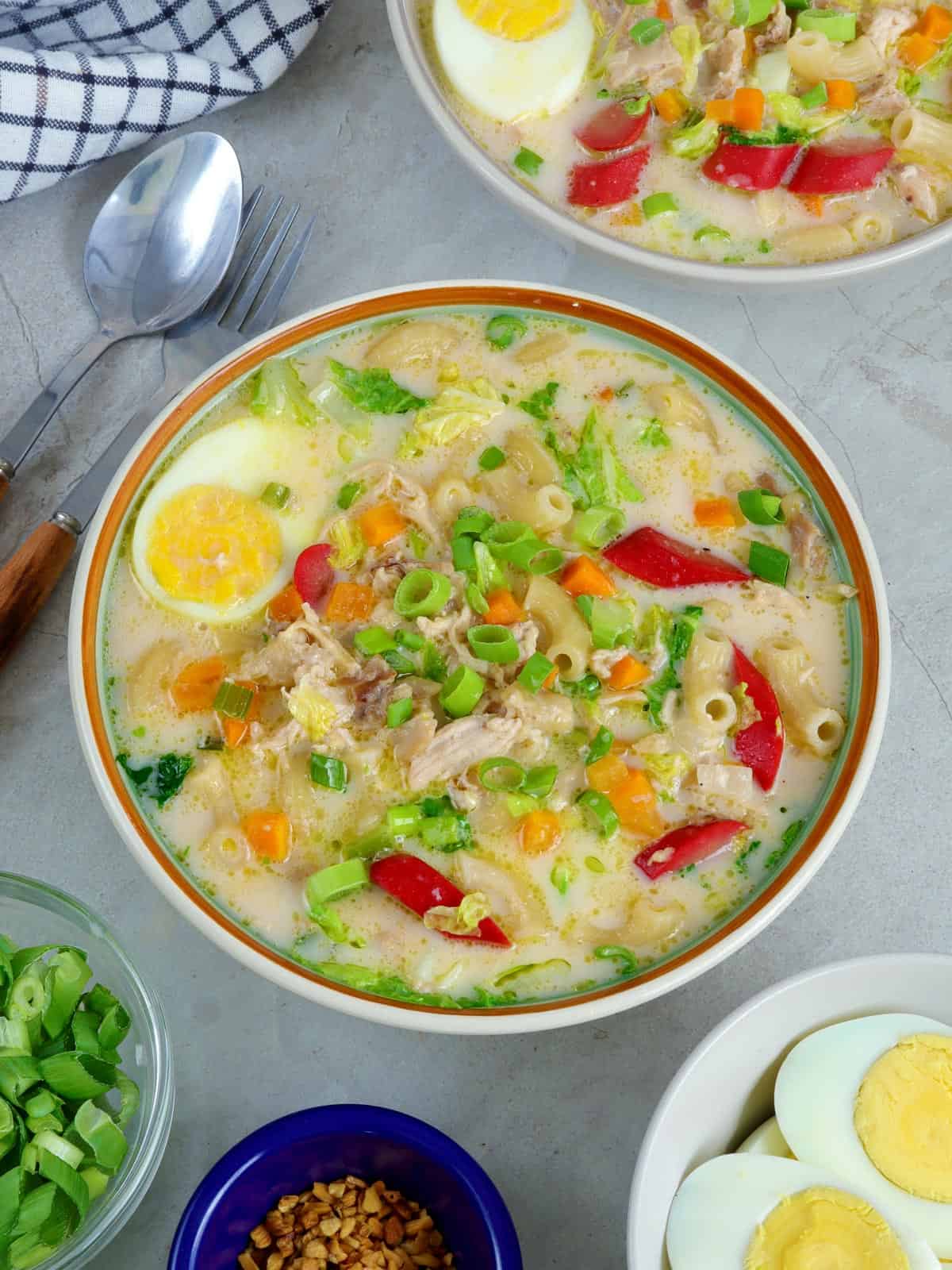
Classic Tagalog Sopa de Pollo (Chicken Soup)
A comforting Tagalog chicken soup made with tender chicken, aromatic vegetables, and a rich tomato-based broth. Perfect for cold days or a quick meal to warm you up.
🥘Ingredients
- 4 cups chicken broth
- 1 whole chicken (about 4 lbs)
- 1 onion, sliced
- 4 garlic cloves, minced
- 1 carrot, sliced
- 1 cup green beans, trimmed
- 2 cups tomato sauce
- 1 cup water
- 1 tsp turmeric powder
- 1 tsp bay leaves
- Salt to taste
👨🍳Directions
-
1
Boil the chicken in a large pot with chicken broth, sliced onion, garlic, and sliced carrot until the chicken is fully cooked (about 20–25 minutes). Remove chicken, shred the meat, and set aside. -
2
In the same pot, add the shredded chicken, tomato sauce, water, turmeric, and bay leaves. Simmer for 15 minutes until flavors meld. -
3
Add the green beans and simmer for another 5 minutes until tender. Season with salt to taste.
🔧Equipment
- Large pot
- Knife and cutting board
- Colander
- Wooden spoon
📊Nutrition Facts (per serving)
📝Notes
Watch Video Of How Classic Tagalog Sopa de Pollo (Chicken Soup) Works
❓ Frequently Asked Questions About Tagalog Sopa de Pollo (Chicken Soup)
1. What is the traditional preparation method for making sopas Tagalog-style, and how does it differ from other versions of sopas?
Sopas Tagalog-style is traditionally made with a lighter broth compared to other versions, often using a simple, clear broth made from chicken or pork bones, vegetables, and aromatic herbs like bay leaf and cloves. The key difference lies in the texture—Tagalog sopas tend to be more delicate and less thick than the creamy or chunky versions found in other Filipino dishes. The method usually involves simmering the ingredients for a longer time to extract flavor without overcooking the meat or vegetables.
—
2. Can I use store-bought broth cubes to make Tagalog-style sopas, or should I make my own?
While store-bought broth cubes can work in a pinch, making your own broth enhances the authentic flavor of Tagalog sopas. If you choose to use cubes, opt for a high-quality, low-sodium variety and adjust the seasoning afterward. Homemade broth gives the dish a richer, more complex taste, especially when paired with fresh vegetables and tender meat. For best results, simmer the broth for at least 30 minutes to deepen the flavor.
—
3. What types of meat are commonly used in Tagalog sopas, and how should I prepare it?
Common meats in Tagalog sopas include chicken, pork (such as shoulder or belly), and sometimes beef. Chicken is the most traditional choice, often cut into bite-sized pieces and simmered until fully cooked and tender. For pork, lean cuts like shoulder or belly work well—simmer until the meat pulls away from the bone and the fat renders into the broth. Avoid overcooking, as it can make the meat tough. If using beef, cut it into small cubes and cook until it reaches an internal temperature of 165°F (74°C).
—
4. How do I ensure the vegetables in Tagalog sopas are cooked just right without turning mushy?
To keep vegetables tender but crisp, add them to the broth at the right time. Start with starchy vegetables like potatoes or sweet potatoes—add them first and cook for about 10–15 minutes until softened. Next, add leafy greens like spinach or bok choy, which cook quickly, and toss them in at the last 2–3 minutes. For firmer vegetables like carrots or bell peppers, add them later, around the last 5 minutes of cooking, so they retain their shape. Stir occasionally to prevent overcooking.
—
5. What are some common variations or add-ins that can be included in Tagalog sopas, and how do they affect the flavor?
Popular variations include adding fresh herbs like cilantro or scallions for brightness, or using aromatics like garlic, ginger, and onions for depth. Some versions include mushrooms for an earthy taste, while others add a touch of sweetness with pineapple or carrots. For extra richness, a splash of coconut milk can be stirred in at the end. These add-ins enhance the dish’s flavor profile but should be used sparingly to avoid overpowering the natural taste of the broth and meat.


