
textured vegetable protein recipe


The Best textured vegetable protein recipe
I also appreciate how it’s a great way to use up any leftover veggies or protein from the fridge, whether it’s carrot sticks, bell peppers, or even extra chicken or tofu. It’s a way to stretch meals while keeping things balanced—no one feels like they’re missing out on flavor or texture. Plus, it’s a sneaky way to get more plant-based protein into the family’s diet without making it feel like a chore. For occasions, it’s perfect for potlucks or family dinners because it’s filling enough to hold its own but still light enough not to weigh anyone down. And honestly, it’s a win for anyone watching their intake—it’s high in fiber and protein, so it keeps people full longer. No one has to worry about skipping a meal or feeling sluggish afterward.
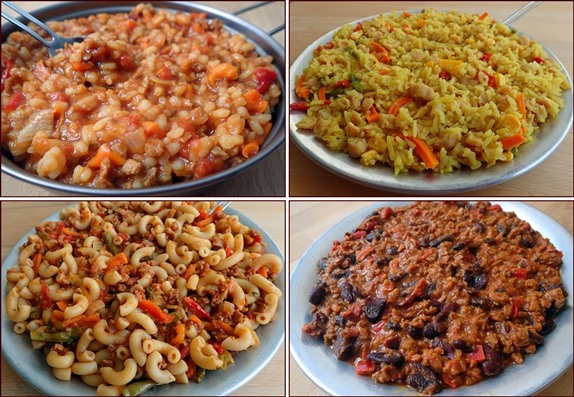
Easy Textured Vegetable Protein Pasta
A hearty pasta dish made with plant-based protein, packed with flavorful tomato sauce and a cheesy twist. Perfect for a quick weeknight meal.
🥘Ingredients
- 2 cups all-purpose flour
- 1 tsp salt
- 1 cup tomato sauce
- 2 cloves garlic, minced
- 1 cup water
- ½ cup vegetable broth
👨🍳Directions
-
1
Preheat oven to 425°F (220°C). Mix flour and salt in a bowl. -
2
Add ½ cup water and vegetable broth to the bowl, then knead until smooth. Roll out the dough thinly using a rolling pin or pasta machine. -
3
Cut the dough into thin strips or sheets. Place them on a baking sheet lined with parchment paper. -
4
Bake for 15 minutes at 425°F (220°C) until golden brown. While baking, heat tomato sauce with minced garlic in a pan until warm. -
5
Toss the baked pasta in the tomato sauce until evenly coated. Serve warm.
🔧Equipment
- Mixing bowl
- Rolling pin
- Cutting board
- Pasta machine or knife
- Baking sheet
- Oven
📊Nutrition Facts (per serving)
📝Notes
Watch Video Of How Easy Textured Vegetable Protein Pasta Works
❓ Frequently Asked Questions About Textured Vegetable Protein Pasta
1. What is textured vegetable protein, and why is it used in this recipe?
Textured vegetable protein (TVP) is a versatile, plant-based ingredient made from dehydrated soybeans. It’s often used as a meat substitute because it absorbs flavors well and mimics the texture of ground meat when rehydrated. In this recipe, TVP adds a chewy, hearty bite to the dish, making it a great option for those following a vegetarian or vegan diet while still enjoying a satisfying, savory flavor.
2. Can I substitute another protein source for TVP in this recipe?
Yes, you can, but the texture and flavor will differ. Common substitutes include:
– Lentils or chickpeas (for a softer, more grainy texture)
– Crumbled tofu (for a firmer, denser bite)
– Seitan (if you want a meatier texture, though it has a distinct taste)
For best results, soak or cook the substitute longer than TVP to achieve a similar chewiness.
3. How should I store the TVP before using it in this recipe?
TVP is shelf-stable when unopened, so store it in a cool, dry place. Once opened, keep it in an airtight container in the fridge for up to two weeks. To rehydrate, soak it in water, broth, or vegetable juice for 15–20 minutes before using—this helps restore moisture and texture.
4. Can I make this dish ahead of time, and how should I reheat it?
Yes, this dish tastes even better the next day! Store leftovers in an airtight container in the fridge for up to three days. To reheat, warm it in a pan over medium heat with a splash of water or broth until steaming hot. Alternatively, microwave it in 30-second bursts, stirring between each, until fully heated through.
5. Is this recipe suitable for someone with dietary restrictions like gluten-free or vegan?
This recipe is naturally vegan and can be adapted for gluten-free diets if you use a gluten-free tamari or coconut aminos instead of soy sauce. Just ensure all other ingredients (like breadcrumbs or flour) are certified gluten-free. Always double-check labels for hidden gluten sources.

