
tomato puree recipe

The Best tomato puree recipe
Health-wise, tomato puree is packed with nutrients that make it a great addition to any diet. It’s high in vitamin C and lycopene, both of which support immune function and skin health, and it’s a good source of potassium and fiber. I’ve found that using it in meals instead of heavy creams or sauces helps keep things lighter while still delivering big flavor. My family especially loves how it makes meals feel satisfying without the heaviness of butter or cheese. Whether I’m whipping up a quick marinara for spaghetti or blending it into a smooth, creamy dip for veggies, it’s always a hit—both in taste and in how easy it makes cooking feel. Plus, it’s one of those ingredients that feels like a little secret boost for any meal, whether it’s a weeknight dinner or a weekend gathering.
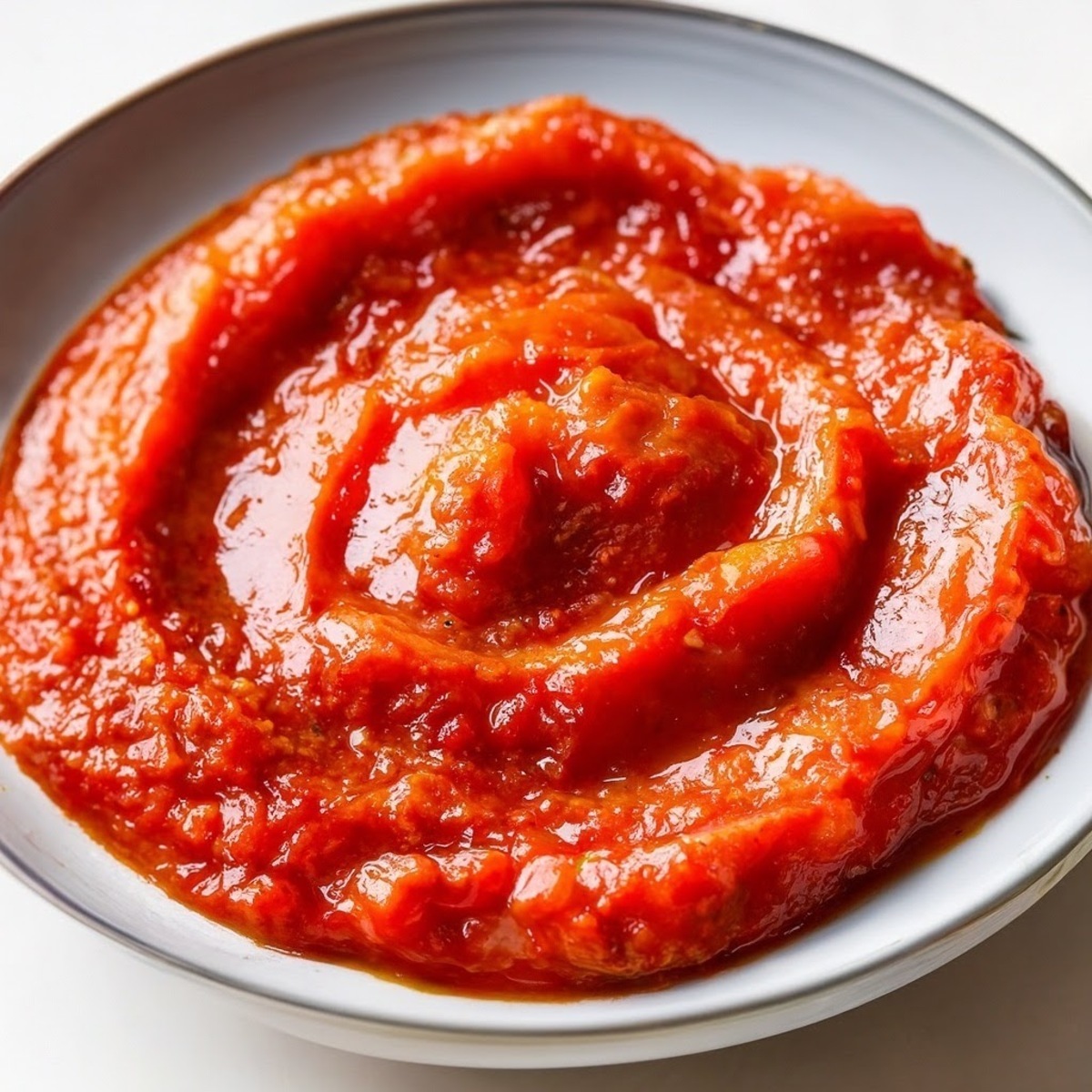
Homemade Tomato Puree
A rich, flavorful tomato puree made from fresh tomatoes, perfect for pasta sauces, soups, and dips. This recipe is a must-try for any occasion.
🥘Ingredients
- 4 large ripe tomatoes (about 2 lbs)
- 1 tbsp olive oil
- 1 tsp salt
- ½ tsp black pepper
- 1 tsp dried basil
- 1 tsp dried oregano
👨🍳Directions
-
1
Wash and peel the tomatoes (optional if using canned tomatoes). Cut them into quarters and remove seeds. -
2
In a large pot, heat olive oil over medium heat. Add tomatoes, salt, pepper, basil, and oregano. Cook for 10 minutes. -
3
Transfer the mixture to a blender or food processor and blend until smooth. If using canned tomatoes, skip peeling and add them directly to the pot. -
4
Return the puree to the pot and simmer for 10–15 minutes to thicken. Adjust seasoning if needed.
🔧Equipment
- Large pot
- Blender or food processor
- Measuring cups
- Wooden spoon
📊Nutrition Facts (per serving)
📝Notes
Watch Video Of How Homemade Tomato Puree Works
❓ Frequently Asked Questions About Tomato Puree
What is the best way to prepare fresh tomato puree for cooking?
To make the best fresh tomato puree, start by selecting ripe, firm tomatoes (like Roma or San Marzano). Wash them thoroughly, remove the stems, and slice them into halves. Place them in a large pot, cover with cold water, and bring to a boil. Boil for about 15-20 minutes until the tomatoes soften. Drain the water, then blend the tomatoes with a little salt and a pinch of sugar (optional) until smooth. For a thicker puree, strain it through a fine-mesh sieve or blend with an immersion blender. Store it in an airtight container in the fridge for up to 5 days or freeze it for longer storage.
Can I use canned tomato puree instead of fresh, and if so, what’s the difference?
Yes, you can use canned tomato puree, but the texture and flavor differ slightly. Canned puree is often blended and strained for a smoother consistency, which may lack the depth of fresh tomato flavor. If using canned, choose high-quality brands like San Marzano or Roma for better taste. For a fresher taste, blend fresh tomatoes yourself or add a splash of fresh tomato juice to the canned puree. Both work well in sauces, soups, and stews, but fresh puree tends to be richer and more aromatic.
How do I adjust the thickness of tomato puree for different recipes?
The thickness of tomato puree depends on how much water or straining you do. For a thin puree (like for soups or broths), blend the tomatoes with minimal straining or add a little water while blending. For a medium puree (common for pasta sauces), blend until smooth and strain through a fine sieve. For a thick puree (ideal for béchamel or thick sauces), blend until smooth, then strain through a cheesecloth or fine sieve, pressing gently to remove excess liquid. Adjust consistency by adding a little water or tomato paste if needed.
Why does my tomato puree turn mushy or watery when cooking?
A mushy or watery tomato puree often happens due to over-blending, excess water, or not straining properly. To prevent this:
– Blend tomatoes until smooth but avoid over-blending, as it releases too much liquid.
– Strain through a fine-mesh sieve or cheesecloth to remove excess moisture.
– If using fresh tomatoes, start with fewer tomatoes to avoid over-dilution.
– For thicker sauces, simmer the puree gently for 10-15 minutes to reduce water content naturally.
– Add a pinch of salt or a splash of tomato paste to help thicken slightly.
How can I store tomato puree properly to maintain freshness and flavor?
For short-term storage (up to 5 days):
– Transfer the puree to an airtight container, leaving a little headspace.
– Store it in the refrigerator. Use within 3-4 days for best flavor.
– For long-term storage (up to 6 months), freeze the puree in portions:
– Let it cool completely, then pour into ice cube trays or small containers.
– Freeze for a few hours until solid, then transfer to freezer bags or airtight containers.
– Thaw in the fridge before using. Frozen puree can also be reheated gently to reduce wateriness.


