
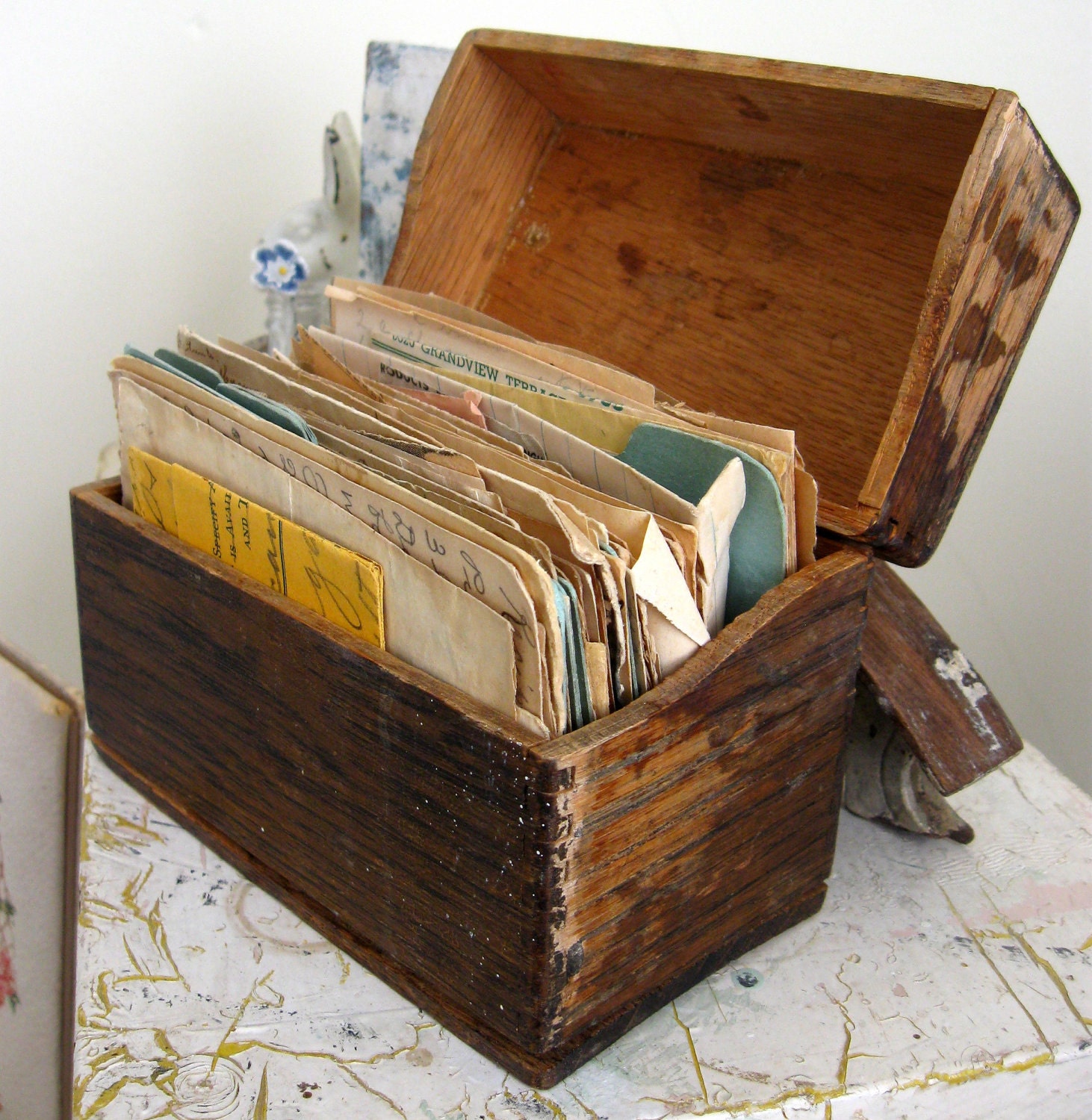
vintage recipe box

The Best vintage recipe box
The health benefits are what really make this recipe stand out. It’s packed with whole grains and lean protein, which keeps me full and satisfied without feeling weighed down. Plus, the vegetables are fresh and easy to prep, so there’s no guessing about how much you’re getting. It’s the kind of meal that’s as good for your body as it is for your taste buds, and that’s something I appreciate. Whether it’s a weeknight dinner or a weekend treat, this recipe always brings people together—my family, my friends, even my neighbors who stop by for leftovers. It’s a recipe that’s always been a favorite, and I’m glad I’ve passed it down.
Classic Vintage Tomato Pie with Flaky Pastry
A nostalgic treat featuring a buttery, golden crust filled with a rich tomato sauce and savory garlic. Perfect for a cozy dinner with family or friends.
🥘Ingredients
- 2 ½ cups all-purpose flour
- 1 tsp salt
- 1 cup cold unsalted butter, cubed
- 8–10 ice water
- 1 cup canned tomato sauce
- 2 cloves garlic, minced
- 1 tbsp olive oil
- 1 tsp dried oregano
- ½ tsp red pepper flakes (optional)
👨🍳Directions
-
1
Preheat oven to 375°F. On a lightly floured surface, combine flour and salt. Cut in the cold butter until the mixture resembles coarse crumbs. Gradually add ice water, mixing just until dough forms. Chill for 30 minutes. -
2
Roll out the dough on a floured surface to about ⅛-inch thickness. Transfer to a greased baking sheet and cut into a 9-inch circle for the crust. Trim excess and crimp edges. Place in an oven-safe pie dish. -
3
In a saucepan, heat olive oil over medium. Add minced garlic and sauté for 30 seconds until fragrant. Pour in tomato sauce, oregano, and red pepper flakes. Simmer for 10 minutes until slightly thickened. -
4
Pour the tomato mixture evenly into the crust. Bake for 25 minutes. Remove from oven, cover with foil, and return to oven for 5 more minutes to prevent over-browning.
🔧Equipment
- Mixing bowls
- Rolling pin
- Pastry cutter
- Baking sheet
- Oven
📊Nutrition Facts (per serving)
📝Notes
Watch Video Of How Classic Vintage Tomato Pie with Flaky Pastry Works
❓ Frequently Asked Questions About Vintage Tomato Pie with Flaky Pastry
1. What is the vintage recipe box, and how does it differ from modern cookbooks?
The vintage recipe box is a handwritten or printed collection of traditional recipes, often found in old family cookbooks, recipe cards, or homemade scrapbooks. Unlike modern cookbooks—which prioritize efficiency, photography, and structured organization—vintage recipes tend to be more rustic, with handwritten notes, imperfect measurements, and a focus on home-cooked meals. They often include tips passed down through generations, such as “salt lightly” or “let the dough rise overnight,” reflecting a simpler approach to cooking.
—
2. Can I use vintage recipes if I don’t have the exact measurements?
Absolutely! Many vintage recipes rely on visual cues or loose guidelines, like “a pinch of salt” or “a handful of herbs.” If a measurement is unclear, you can adjust it based on what feels right for your kitchen scale or measuring tools. For example, if a recipe calls for “a small handful of flour,” estimate it to about ½ cup. Trust your instincts—vintage recipes are designed to be adaptable.
—
3. Are there any health concerns with using vintage recipes?
Vintage recipes may include ingredients or techniques that are no longer as common today, such as lard instead of vegetable oil or less refined flour. However, most vintage recipes are still safe to use with modern substitutions. For example, you can replace butter with olive oil, or swap heavy cream for coconut milk. The key is to focus on the cooking method rather than the specific ingredients—many vintage recipes emphasize freshness, simple preparation, and quality ingredients.
—
4. How do I preserve vintage recipes for future use?
To keep vintage recipes handy, scan or photograph them and save them digitally. You can also organize them in a physical binder with dividers, or use a recipe card organizer. If you’re working with handwritten notes, consider digitizing them with a scanner or smartphone app. For physical cookbooks, store them in a cool, dry place away from direct sunlight to prevent fading. Digital copies are a great way to preserve the recipes while making them easy to reference.


