
hibachi fried rice recipe

The Best hibachi fried rice recipe
I also love how hibachi fried rice is so adaptable. You can throw in whatever you have on hand—maybe some leftover chicken, a little bit of shrimp, or even some tofu if you’re feeling extra. It’s not just a quick meal; it’s a way to make the most of what you’ve got without wasting anything. And because it’s made with rice, it’s a great way to get some whole grains into the day without feeling like you’re eating a boring plate of pasta or noodles. Plus, the way the vegetables caramelize in the pan gives you a little bit of that crunch, and the eggs add protein and richness. It’s not just healthy—it’s balanced. And honestly, it’s a great dish for any occasion. Whether it’s a weeknight dinner for the family or a little something to share with friends over coffee, it’s always a winner. My husband says it’s the only thing that makes him forget he ate too much at lunch, and honestly, I think he’s just being nice. But it’s true—there’s something about that little bit of spice, that chewy texture, and that satisfying bite that makes it hard to resist.
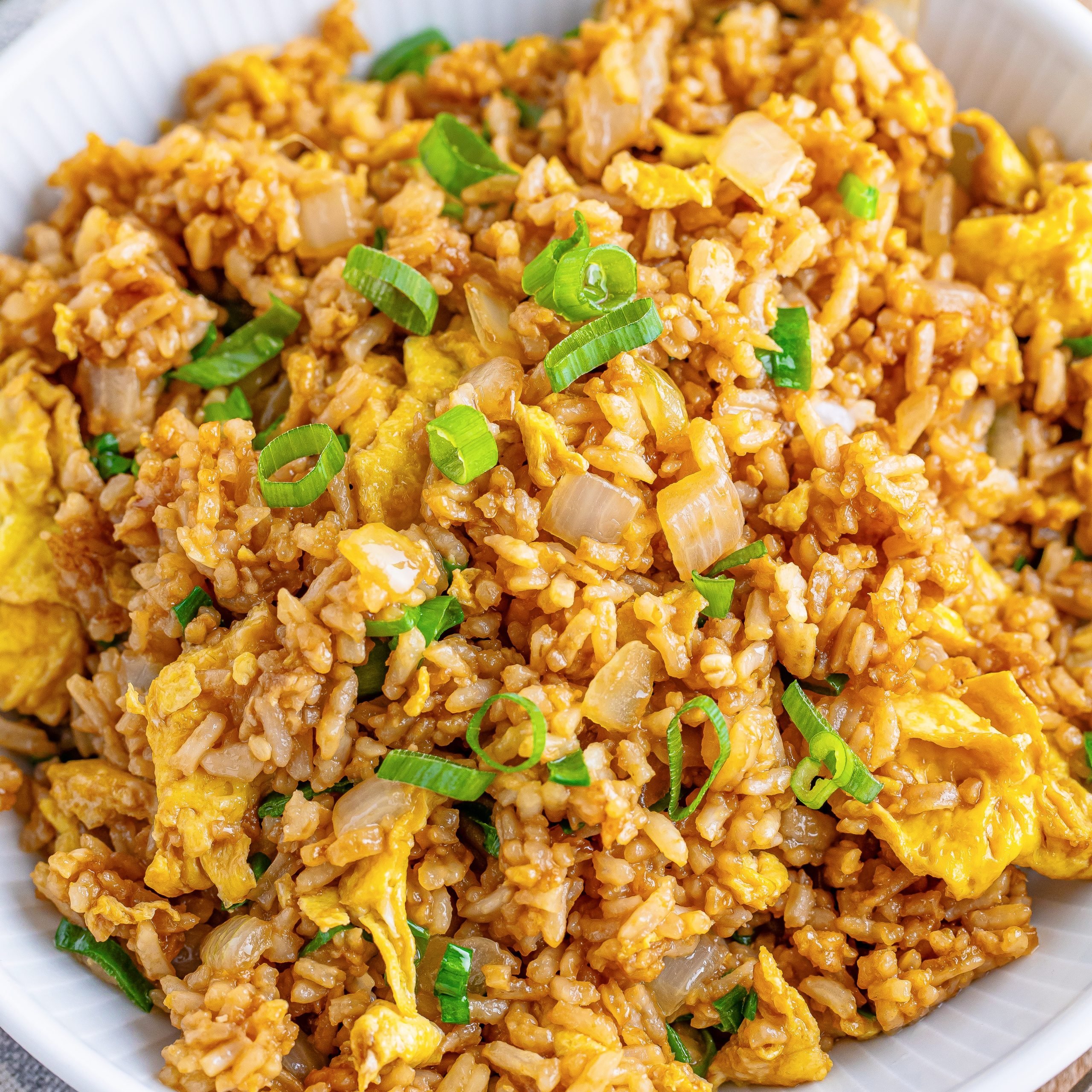
Japanese Hibachi Fried Rice
A flavorful and interactive dish featuring Japanese-style fried rice cooked on a hibachi, topped with protein, vegetables, and sauces for a satisfying meal. This recipe is a must-try for any occasion.
🥘Ingredients
- 2 cups cooked and cooled jasmine rice (day-old preferred)
- 2 tbsp vegetable oil (divided)
- 16 oz (450g) boneless chicken breast or thighs, sliced
- 1 lb (450g) shrimp, peeled and deveined
- 1 egg, lightly beaten
- 1 cup finely diced bell peppers (red, green, or yellow)
- 1 cup finely diced carrots
- 1 cup sliced mushrooms
- 1 small onion, finely diced
- 3 tbsp soy sauce (or tamari for gluten-free)
- 2 tbsp oyster sauce
- 1 tbsp sesame oil
- 1 tbsp honey or brown sugar
- 1 tbsp rice vinegar
- 1 tsp grated ginger
- 2 cloves garlic, minced
- 1 tsp red pepper flakes (optional)
- 1/2 cup diced green onions
👨🍳Directions
-
1
Preheat hibachi or skillet over medium-high heat. Lightly oil the surface. -
2
In a bowl, mix soy sauce, oyster sauce, sesame oil, honey, rice vinegar, ginger, garlic, and red pepper flakes. Set aside. -
3
In a separate bowl, lightly beat the egg and set aside. -
4
In a large bowl, combine cooked rice, 1 tbsp vegetable oil, diced bell peppers, carrots, mushrooms, and diced onion. Stir gently to coat evenly. -
5
Heat hibachi or skillet on medium-high heat. Add 1 tbsp vegetable oil, then cook the chicken until no longer pink (~4-5 mins). Remove and set aside. -
6
In the same skillet, add shrimp and cook for 2-3 minutes per side until pink. Remove and set aside with chicken. -
7
In a small bowl, lightly scramble the egg, then set aside. -
8
Return rice mixture to the skillet. Stir-fry for 2-3 minutes until heated through. Pour the sauce mixture over the rice and stir to combine. -
9
Add cooked chicken and shrimp back to the skillet. Stir-fry for another 2 minutes. Drizzle with sesame oil and sprinkle green onions on top. -
10
Serve immediately, allowing guests to customize their plates with additional sauce, toppings, or proteins.
🔧Equipment
- Hibachi or large non-stick skillet (or deep skillet)
- Mixing bowls
- Cutting board
- Sharp knives
- Measuring cups and spoons
- Wooden spoon or spatula
📊Nutrition Facts (per serving)
📝Notes
- For extra flavor, add a dash of Worcestershire sauce to the sauce mixture.
- Day-old rice absorbs more flavor, but fresh rice works too.
- Customize with additional proteins like beef, tofu, or crab.
- Use a hibachi pan for authentic cooking experience, but a deep skillet works in a pinch.
Watch Video Of How Japanese Hibachi Fried Rice Works
❓ Frequently Asked Questions About Japanese Hibachi Fried Rice
1. What is the key difference between traditional Japanese hibachi fried rice and Western-style versions?
The key difference lies in the ingredients and cooking method. Traditional Japanese hibachi fried rice often includes ingredients like dashi (fish stock), bonito flakes, and sometimes raw egg cooked directly in a small cast-iron pan (hibachi) over charcoal. It’s typically served with a side of vegetables and meat. Western-style hibachi fried rice often incorporates more ingredients like soy sauce, sesame oil, and sometimes pre-cooked proteins (like chicken or shrimp) and is cooked in a larger skillet or wok. The texture and flavor profile can also vary—Japanese hibachi tends to be lighter and more delicate, while Western versions may be richer and heartier.
—
2. How do I achieve the perfect crispy texture for hibachi fried rice?
To get that signature crispy exterior, follow these steps:
– Use cold rice: Start with day-old or cold rice (cooked and slightly dried) to prevent sticking and create a crispy crust when fried.
– High heat and short cooking time: Heat your pan (cast iron or non-stick) on medium-high to high heat and cook the rice in small batches to avoid overcrowding. Stir-fry for 2-3 minutes until golden and crispy.
– Add oil generously: Use neutral oils like vegetable or canola oil and coat the bottom of the pan well before adding rice.
– Don’t overmix: Stir gently to avoid breaking the crispy edges. If possible, use a wooden spoon or spatula to avoid scratching the pan.
– Add moisture strategically: If the rice starts to dry out, add a splash of water or soy sauce to help it crisp up again.
—
3. Can I make hibachi fried rice without raw egg, and if so, what are the rich alternatives?
Absolutely! While traditional hibachi includes a soft-boiled or sunny-side-up egg, you can easily skip it for a vegetarian or egg-free version. Here are some delicious alternatives to add richness:
– Crispy fried tofu: Press and pan-fry cubed tofu until golden and crispy, then mix into the rice.
– Shrimp or scallops: Quickly sear fresh shrimp or scallops for a seafood twist.
– Mushrooms: Sauté shiitake or enoki mushrooms for an umami boost.
– Crispy bacon or ham: Cooked until crispy and finely chopped for a savory crunch.
– Tempeh or seitan: Adds a chewy, meaty texture and absorbs flavors well.
– Nutritional yeast: Sprinkle a pinch for a cheesy, nutty flavor (great for vegans).
– Avocado or guacamole: For a creamy, fresh contrast (though less traditional).
—
4. How do I balance flavors in hibachi fried rice to avoid it tasting bland or overly salty?
Balancing flavors is key to a well-rounded hibachi fried rice. Here’s how to achieve harmony:
– Start with a flavor base:
– Use high-quality soy sauce (e.g., Tamari for gluten-free or sesame oil for nutty depth).
– Add a splash of mirin or sake for sweetness and umami.
– Include fish sauce or oyster sauce (1 tsp each) for depth.
– Acidity helps brighten: A pinch of rice vinegar or lemon juice cuts through richness.
– Sweeten lightly: A tiny amount of honey, brown sugar, or sugar (½ tsp) enhances caramelization.
– Season gradually: Taste as you go—add more soy sauce, garlic, or ginger if needed.
– Avoid over-salting: If using pre-cooked proteins (like chicken), reduce soy sauce slightly to prevent excess saltiness.
– Finish with freshness: Top with sesame seeds, green onions, or a drizzle of sriracha for contrast.
—
5. Why does my hibachi fried rice turn out mushy or sticky, and how can I fix it?
Mushy or sticky hibachi fried rice usually happens due to one of these common mistakes:
– Using warm or freshly cooked rice: Cold rice (stored overnight) absorbs less oil and stays crispier. If using warm rice, let it cool slightly before cooking.
– Overcrowding the pan: Cook rice in small batches to prevent steam buildup, which makes it soggy.
– Not enough oil: Rice needs enough oil to prevent sticking. Heat the pan first, then add oil before adding rice.
– Undercooking the rice: If the rice isn’t fully done, it’ll stay wet. Ensure it’s absolutely dry before frying.
– Adding too much liquid: Avoid pouring water or broth directly into the rice. Instead, deglaze the pan with a splash of soy sauce or oil to help crisp it up.
Quick fixes if it’s already mushy:
– Sprinkle cornstarch or arrowroot powder over the rice, stir, and cook for 1-2 minutes to absorb moisture.
– Add a bit of oil or sesame oil to help re-crisp the edges.
– Stir in a small amount of cold rice (from another batch) to break up clumps.
– Press down gently with a spatula to help it dry out slightly.


