
unagi sauce recipe

The Best unagi sauce recipe
I love this sauce because it’s versatile. You can use it for everyday meals or make it a centerpiece for a special dinner. It’s great for grilling, stir-frying, or even just drizzling over steamed veggies. And the best part? It’s packed with real, wholesome ingredients—soy sauce, mirin, a touch of sugar, and a splash of sesame oil that gives it that rich, savory kick. My kids don’t even realize they’re eating something healthy because it tastes so good, but I know it’s got all the good stuff: probiotics from the fermented soy, antioxidants from the sesame, and a little sweetness that balances out the flavors. Plus, it’s so easy to make in big batches, so you always have it on hand for when you need it. It’s that kind of recipe that makes cooking feel effortless and delicious at the same time.
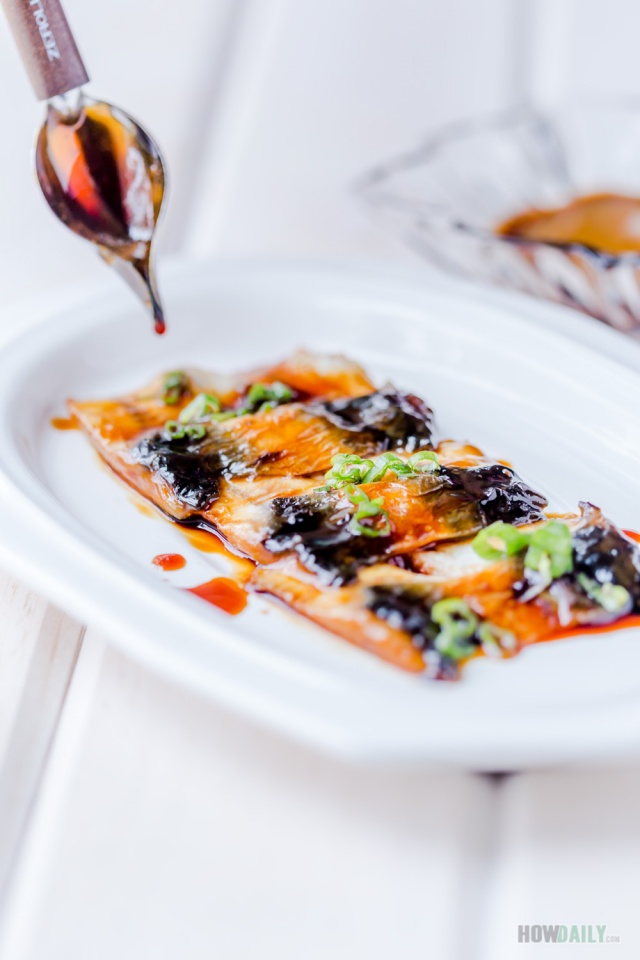
Classic Unagi Sauce (Japanese Grilled Eel Sauce)
A rich, savory sauce made with soy sauce, mirin, and grilled eel, perfect for dipping or drizzling over dishes like unagi or sushi. This recipe is a must-try for any occasion.
🥘Ingredients
- 2 tbsp soy sauce
- 1 tbsp mirin
- 1 tbsp sake
- 1 tbsp grated ginger
- 1 clove garlic, minced
- 1 whole eel (fresh or frozen)
- 1 tbsp sesame oil
- 1 tsp sugar
👨🍳Directions
-
1
Preheat your grill to medium-high heat. If using frozen eel, thaw it first and pat dry. -
2
Place the eel on the grill and brush lightly with sesame oil. Grill skin-side down for about 8-10 minutes, then flip and cook another 5-7 minutes until skin is crispy and eel is cooked through. -
3
While the eel is grilling, mix soy sauce, mirin, sake, grated ginger, and minced garlic in a saucepan over medium heat. Simmer for 5-7 minutes until slightly thickened. -
4
Once the eel is done, let it cool slightly. Slice it into bite-sized pieces. Pour the sauce over the eel and mix well. Adjust seasoning if needed.
🔧Equipment
- Mixing bowl
- Cutting board
- Knife
- Grill pan or grill
- Saucepan
📊Nutrition Facts (per serving)
📝Notes
Tips
- For a deeper flavor, add a pinch of red pepper flakes or a dash of fish sauce.
- If you don’t have mirin, substitute with 1 tbsp sugar + 1 tbsp water.
- Store the sauce in an airtight container in the fridge for up to 5 days.
Watch Video Of How Classic Unagi Sauce (Japanese Grilled Eel Sauce) Works
❓ Frequently Asked Questions About Unagi Sauce (Japanese Grilled Eel Sauce)
1. What is the origin of unagi sauce, and why is it commonly used in Japanese cuisine?
Unagi sauce, also known as unaju or unagiso, is a traditional Japanese condiment made primarily from sweet soy sauce, mirin, and sugar, sometimes with a touch of sake or vinegar. It originated as a dipping sauce for grilled eel (unagi), but its versatility has made it popular in various dishes, from grilled meats and vegetables to rice and noodles. The sauce balances sweetness, umami, and slight acidity, enhancing the flavors of its ingredients.
—
2. Can I make a homemade unagi sauce without using mirin, and if so, what’s an alternative?
Yes! If you don’t have mirin, you can substitute it with a mix of 1 part white vinegar + 1 part sugar (for sweetness) or 1 part sake + 1 part sugar (for depth). For a smoother texture, you can also use ½ cup sweet soy sauce + ½ cup water + 2 tbsp sugar + 1 tbsp vinegar or sake. Adjust to taste—mirin adds a subtle rice wine sweetness, but these alternatives work well in a pinch.
—
3. How long does homemade unagi sauce last, and how should I store it?
Homemade unagi sauce typically lasts 1–2 weeks in the fridge in an airtight container. For longer storage, you can freeze it for up to 3 months. To extend shelf life, reduce the sugar slightly (or use honey instead) and add a pinch of salt to inhibit bacterial growth. Always check for spoilage before use—discard if it smells off or has mold.
—
4. What’s the best way to use unagi sauce beyond grilled eel?
Unagi sauce is incredibly versatile! Try these creative uses:
– Grilled chicken or pork: Drizzle over marinated meats before cooking.
– Rice dishes: Mix with steamed rice for a sweet-savory glaze (e.g., in unagi donburi).
– Vegetables: Toss with grilled zucchini, eggplant, or sweet potatoes.
– Noodles: Swirl into udon or ramen for a sticky-sweet flavor.
– Salads: Drizzle over mixed greens or edamame.
– Breakfast: Spread on toast or mix into scrambled eggs.
—
5. Is there a difference between unagi sauce and teriyaki sauce?
Yes! While both are sweet and savory, unagi sauce is typically lighter and less oily, focusing on simplicity with ingredients like sweet soy sauce, mirin, and sugar. Teriyaki sauce, on the other hand, often includes glucose syrup or corn syrup for a thicker, stickier consistency and may include ingredients like garlic, ginger, or dashi. Unagi sauce is more delicate and pairs well with grilled foods, while teriyaki is bolder and used in glazes or marinades.

