
dijon chicken recipe

The Best dijon chicken recipe
I love this recipe because it’s versatile—you can serve it with crusty bread, mashed potatoes, or even over rice, and it works just as well for a casual family dinner as it does for a little something extra at a holiday gathering. My kids will eat it straight from the pan, and my husband always asks for seconds because it’s got that perfect balance of savory and slightly sweet. Plus, it’s packed with flavor from the Dijon mustard and garlic, but it’s still light enough that it doesn’t weigh you down. And honestly, it’s one of those recipes that feels like a treat without needing a fancy ingredient list. It’s that kind of dish that makes you feel like you’re cooking something good without the stress.
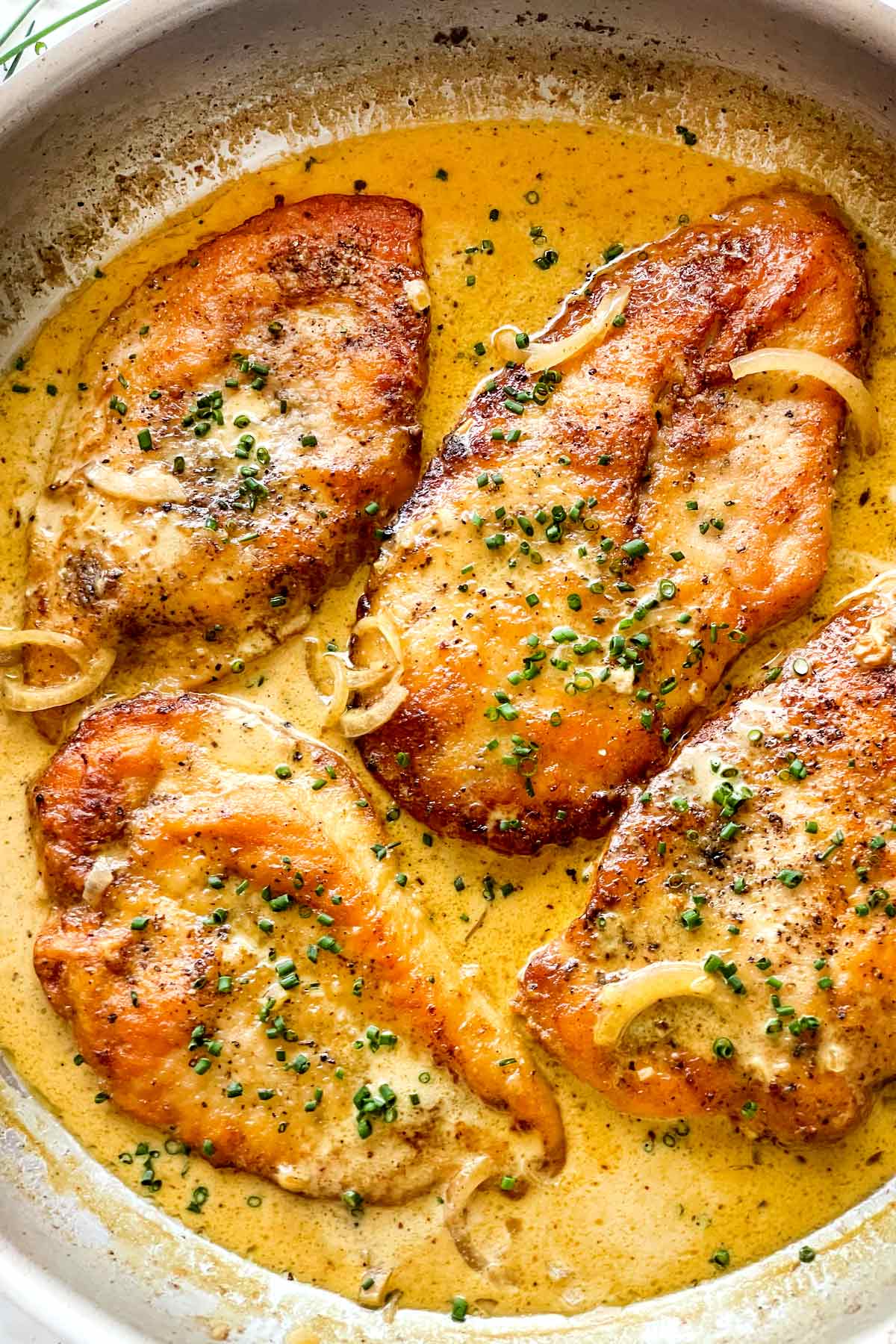
Dijon Mustard Glazed Chicken
A flavorful baked chicken dish coated in a tangy Dijon mustard and tomato sauce, perfect for a quick and satisfying meal. This recipe is a must-try for any occasion.
🥘Ingredients
- 4 boneless, skinless chicken breasts
- 2 tbsp olive oil
- 1 tsp garlic powder
- 1 tsp onion powder
- ½ tsp paprika
- 3 tbsp Dijon mustard
- 2 tbsp honey
- 2 tbsp apple cider vinegar
- 1 tbsp soy sauce
- 1 tbsp tomato paste
- 1 clove garlic, minced
- 1 tsp dried thyme
- Salt and black pepper to taste
👨🍳Directions
-
1
Preheat oven to 400°F (200°C). Line a baking sheet with parchment paper. -
2
In a small bowl, mix Dijon mustard, honey, apple cider vinegar, soy sauce, tomato paste, minced garlic, thyme, salt, and pepper to make the glaze. -
3
In a separate bowl, toss chicken breasts with olive oil, garlic powder, onion powder, paprika, salt, and pepper. -
4
Place chicken breasts on the prepared baking sheet. Pour the glaze over the chicken and spread evenly. -
5
Bake for 25-30 minutes or until chicken reaches an internal temperature of 165°F (74°C).
🔧Equipment
- Mixing bowls
- Baking sheet
- Oven
- Knife and cutting board
- Measuring spoons
- Mixing spoon
📊Nutrition Facts (per serving)
📝Notes
Tips
- For extra crispiness, broil for the last 2-3 minutes.
- Substitute honey with maple syrup for a different flavor profile.
- Serve with roasted vegetables or a side salad.
Variations
- Add a pinch of red pepper flakes for a spicy kick.
- Use chicken thighs instead of breasts for a juicier dish.
Watch Video Of How Dijon Mustard Glazed Chicken Works
❓ Frequently Asked Questions About Dijon Mustard Glazed Chicken
What is the key ingredient that makes Dijon chicken special?
The key ingredient that sets Dijon chicken apart is the Dijon mustard, which adds a tangy, slightly spicy depth to the sauce. It’s typically mixed with butter, garlic, and sometimes a touch of honey or lemon juice to create a rich, flavorful glaze.
How do I ensure the chicken stays moist while cooking?
To keep the chicken juicy, pat it dry before marinating or cooking, then season generously with salt and pepper. For extra moisture, you can brine the chicken for 30 minutes (or marinate it overnight) before cooking. Avoid overcrowding the pan when searing—cook in batches if needed, and let the chicken rest for 5 minutes before slicing.
Can I substitute Dijon mustard if I don’t have it?
Yes, but keep in mind the flavor will differ slightly. Common substitutes include:
– Yellow mustard (for a milder, sweeter taste)
– Whole-grain mustard (for a slightly nuttier, thicker consistency)
– A mix of ½ tsp yellow mustard + ½ tsp whole-grain mustard (for a balanced Dijon-like flavor)
For the best results, avoid pre-made sauces like ketchup or BBQ sauce, as they won’t provide the same tangy depth.
How long should I cook the Dijon chicken for?
The cooking time depends on the cut of chicken, but here’s a general guideline:
– Breast (bone-in or boneless): 5–7 minutes per side (medium-rare to medium)
– Thighs (bone-in): 6–8 minutes per side (or until internal temp reaches 165°F/74°C)
– Boneless breasts: 4–5 minutes per side
Always use a meat thermometer to check doneness—chicken is safe at 165°F (74°C). Let it rest for 5 minutes before slicing to retain juices.
What side dishes pair well with Dijon chicken?
Dijon chicken’s bold, tangy flavor works beautifully with:
– Crispy roasted potatoes or mashed potatoes
– Simple green salads (with a light vinaigrette, like balsamic or Dijon-based)
– Steamed or sautéed vegetables (asparagus, green beans, or roasted carrots)
– Creamy polenta or couscous for a heartier pairing
– Fresh bread (to soak up the sauce)
For a full meal, consider serving it with grilled vegetables or a light herb quinoa salad.

