
healthy nutrition food recipe

The Best healthy nutrition food recipe
What I love most about this recipe is how balanced it is. Quinoa is packed with protein and fiber, black beans add even more of both, and the veggies give you vitamins without tasting like you’re eating something “healthy.” It’s the kind of dish that keeps everyone full without leaving that heavy, sluggish feeling afterward. Plus, it’s naturally gluten-free and vegetarian, so it fits into almost any diet without anyone feeling like they’re missing out. I usually make a big batch on Sundays and portion it out for the week—it reheats well, and the flavors even get better after a day or two in the fridge. If you’re looking for something that’s quick, nutritious, and actually gets eaten instead of pushed around a plate, this is it.
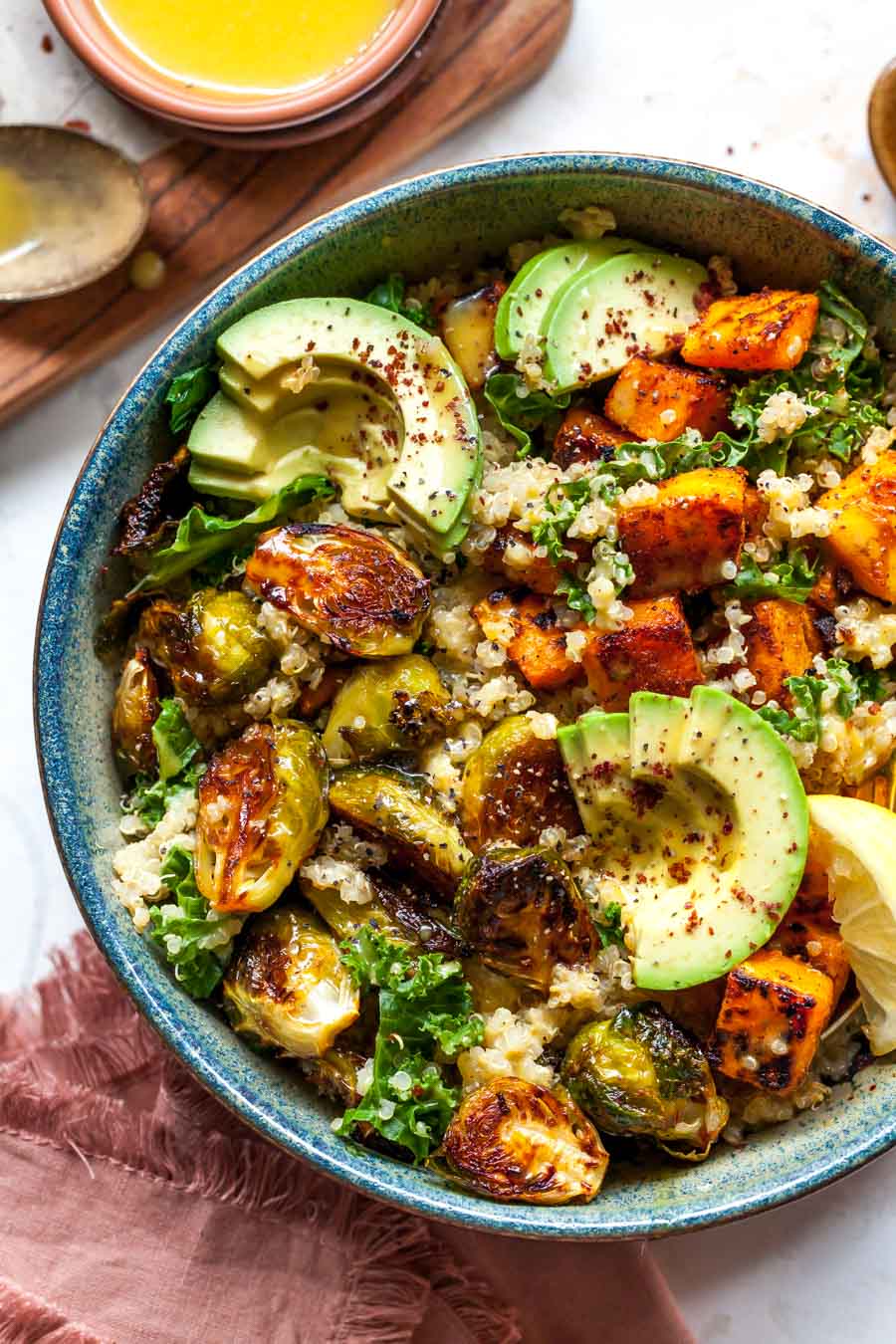
Quinoa and Black Bean Stuffed Bell Peppers
A nutritious and colorful dish packed with protein, fiber, and vitamins. These stuffed bell peppers are easy to make and perfect for a healthy meal or meal prep.
🥘Ingredients
- 1 cup quinoa, rinsed
- 2 cups vegetable broth or water
- 1 can (15 oz) black beans, drained and rinsed
- 1 cup corn kernels (fresh, frozen, or canned)
- 1 small red onion, diced
- 1 red bell pepper, diced
- 2 cloves garlic, minced
- 1 tsp cumin
- 1 tsp chili powder
- 1/2 tsp smoked paprika
- Salt and pepper to taste
- 1/4 cup fresh cilantro, chopped
- 4 large bell peppers (any color), tops cut off and seeds removed
- 1 tbsp olive oil
- 1/2 cup shredded cheese (optional, e.g., cheddar or Monterey Jack)
- 1/2 cup Greek yogurt or sour cream
- 1 avocado, sliced
- Lime wedges for serving
👨🍳Directions
-
1
Preheat your oven to 375°F (190°C). -
2
In a medium saucepan, combine quinoa and vegetable broth (or water). Bring to a boil, then reduce heat to low, cover, and simmer for 15 minutes or until the quinoa is cooked and liquid is absorbed. Fluff with a fork and set aside. -
3
In a large skillet, heat olive oil over medium heat. Add diced onion, red bell pepper, and garlic. Sauté for 5 minutes until softened. -
4
Add black beans, corn, cumin, chili powder, smoked paprika, salt, and pepper to the skillet. Stir well and cook for another 3-4 minutes. -
5
Remove the skillet from heat and stir in the cooked quinoa and chopped cilantro. Mix until well combined. -
6
Place the hollowed-out bell peppers in a baking dish. Spoon the quinoa and black bean mixture into each pepper, pressing down gently to fill them completely. -
7
If using cheese, sprinkle it evenly over the tops of the stuffed peppers. -
8
Cover the baking dish with foil and bake for 25 minutes. Then, remove the foil and bake for an additional 10 minutes until the peppers are tender and the cheese (if using) is melted and golden. -
9
Remove from the oven and let cool for 5 minutes. Serve with Greek yogurt, avocado slices, and lime wedges if desired.
🔧Equipment
- Medium saucepan
- Large skillet
- Baking dish
- Mixing bowl
- Knife and cutting board
- Measuring cups and spoons
📊Nutrition Facts (per serving)
📝Notes
Watch Video Of How Quinoa and Black Bean Stuffed Bell Peppers Works
❓ Frequently Asked Questions About Quinoa and Black Bean Stuffed Bell Peppers
1. What are the key components of a healthy nutrition food recipe?
A healthy nutrition food recipe typically includes a balance of macronutrients—carbohydrates, proteins, and healthy fats—as well as micronutrients like vitamins and minerals. It should prioritize whole, unprocessed ingredients such as vegetables, fruits, lean proteins, whole grains, and healthy fats (e.g., avocados, nuts, olive oil). Limiting added sugars, refined grains, and excessive sodium is also important for overall health.
2. How can I make my meals more nutrient-dense without sacrificing flavor?
You can boost nutrient density by incorporating more vegetables, herbs, and spices into your dishes. For example, adding spinach to smoothies, using garlic and turmeric in sauces, or topping meals with seeds (chia, flax, or pumpkin) can enhance both nutrition and flavor. Swapping refined grains for whole grains (like quinoa or brown rice) and using healthy cooking methods (steaming, grilling, or baking) instead of frying also helps retain nutrients.
3. Are there quick and easy healthy recipes for busy weeknights?
Yes! Some quick and nutritious options include stir-fries with pre-cut veggies and lean protein, sheet-pan meals with roasted vegetables and chicken, or overnight oats with fruits and nuts. Meal prepping ingredients (like chopping veggies or cooking grains in advance) can also save time. Simple recipes like quinoa bowls, veggie wraps, or smoothies take less than 20 minutes to prepare.
4. How do I ensure my meals are balanced for weight management?
For weight management, focus on portion control, high-fiber foods (vegetables, legumes, whole grains), and lean proteins (chicken, fish, tofu) to promote satiety. Avoid empty-calorie foods like sugary snacks and processed items. Including healthy fats in moderation (e.g., nuts, olive oil) can also help regulate hunger. Meal timing and hydration play a role—eating mindfully and drinking water before meals can prevent overeating.
5. Can healthy recipes accommodate dietary restrictions (e.g., vegan, gluten-free, or low-carb)?
Absolutely! Many healthy recipes can be adapted to fit dietary needs. For vegan diets, use plant-based proteins (beans, lentils, tofu) and dairy alternatives. Gluten-free options include quinoa, rice, or gluten-free oats. Low-carb meals can focus on non-starchy vegetables, lean proteins, and healthy fats while reducing grains and sugars. Always check labels for hidden ingredients if you have allergies or sensitivities.


