
pie crust recipe no shortening

The Best pie crust recipe no shortening
The best part? It’s a healthier twist on classic pie crust. No trans fats, no mystery ingredients—just flour, fat, and salt in a way that actually works. My family enjoys it every time, whether it’s in a fruit pie, a savory quiche, or even as a pie dough for something unexpected. It’s that kind of recipe that feels like a comfort, not just in taste but in the way it makes things feel real and homey. And honestly? It’s a great way to use up a little extra butter or even some leftover chicken fat if you’re not feeling fancy. It’s the kind of thing that works for everyday meals or when you want to impress someone without overcomplicating things.
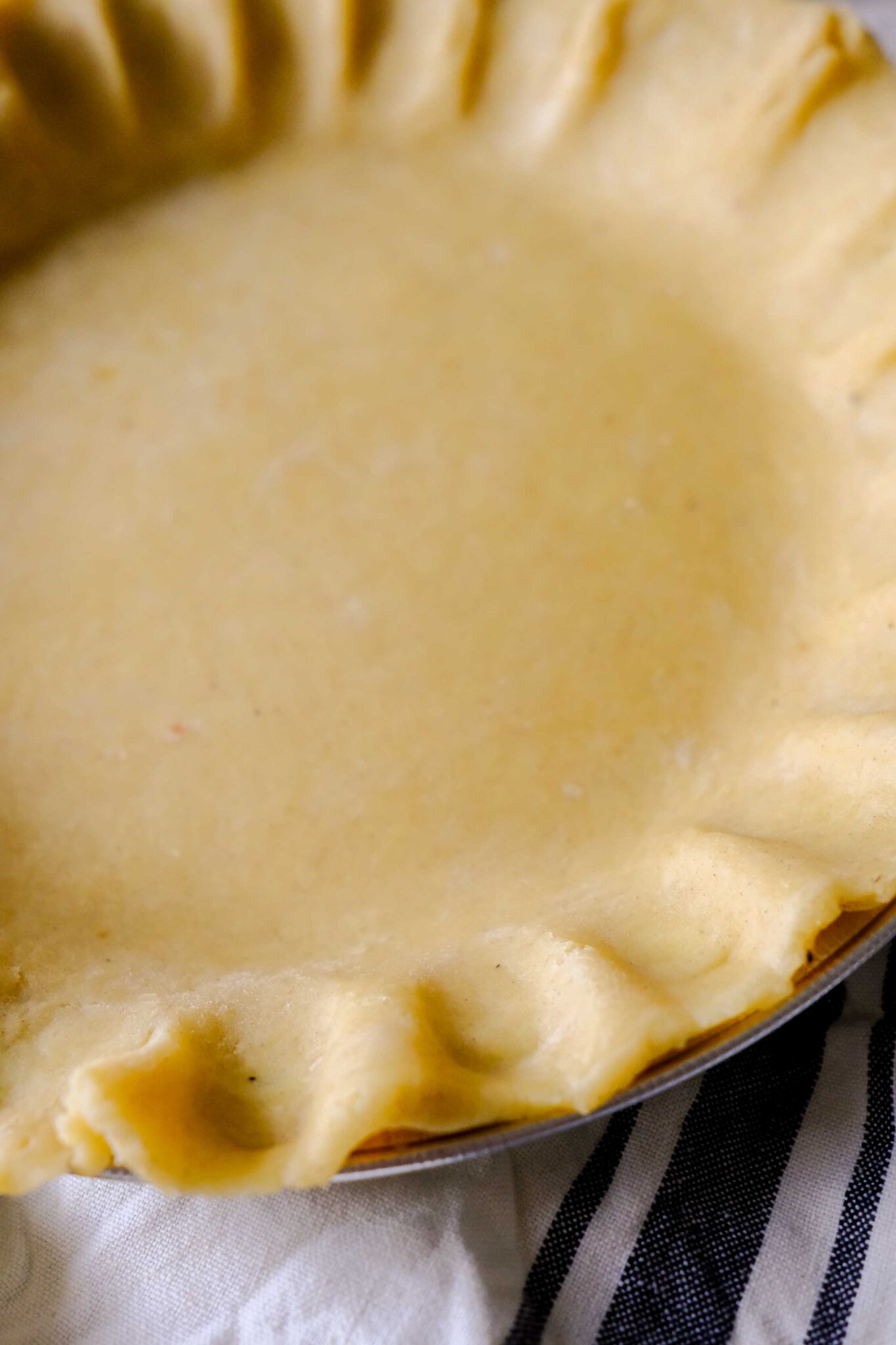
No-Shortening Flaky Pie Crust
A simple, all-butter pie crust that relies on cold fat and precise rolling for a tender, flaky texture—no shortening required. This recipe is a must-try for any occasion.
🥘Ingredients
- 2 cups all-purpose flour
- 1 tsp salt
- 1 cup cold unsalted butter, cubed
- 1/4 cup ice water
👨🍳Directions
-
1
Preheat oven to 425°F. Combine flour and salt in a bowl. -
2
Cut cold butter into small cubes and add to the flour. Stir with a fork until the mixture resembles coarse crumbs. -
3
Drizzle in ice water, one tablespoon at a time, mixing gently until the dough just comes together. Wrap in plastic and chill for 30 minutes. -
4
Roll the dough between two sheets of plastic wrap into a 12-inch circle. Transfer to a pie dish and trim excess. Crimp edges with a fork. -
5
Bake on a baking sheet at 425°F for 15 minutes. Reduce heat to 375°F and bake for another 10–12 minutes until edges are golden.
🔧Equipment
- Mixing bowl
- Rolling pin
- Pie dish
- Plastic wrap
📊Nutrition Facts (per serving)
📝Notes
- For extra flakiness, chill the dough for at least 1 hour before rolling.
- Avoid overworking the dough—gentle handling keeps it tender.
- Use this crust for pies, quiches, or even savory tarts.
Watch Video Of How No-Shortening Flaky Pie Crust Works
❓ Frequently Asked Questions About No-Shortening Flaky Pie Crust
What is the difference between this no-shortening pie crust and traditional pie crust?
This version replaces butter or shortening with a blend of cold water, ice water, and a small amount of flour. The result is a lighter, flakier texture with a slightly crispier edge, though it may be slightly less tender than a traditional crust. The absence of fat means it’s also lower in calories and fat per serving.
Can I use this crust for quiches, tart shells, or other baked dishes besides pies?
Yes, it works well for quiches, tart shells, and even some pie dishes like apple turnover or cheesecake shells. The key is to ensure the filling doesn’t get too hot, as the crust may brown slightly faster than with shortening.
Why does the crust sometimes crack or tear when rolling?
Cracking or tearing often happens when the dough is too warm or not cold enough. Always chill the dough for at least 30 minutes before rolling, and keep your rolling pin cold. If the dough is too stiff, let it sit for a few minutes before rolling again.
How do I store leftover pie crust?
Wrap leftover crust tightly in plastic wrap or aluminum foil and refrigerate for up to 5 days. For longer storage, freeze it in a single layer on a baking sheet before transferring to a bag or container. Thaw in the fridge overnight before using.
What if I don’t have ice water for the dough?
You can use a mix of cold water and a pinch of salt to mimic the effect. If you’re in a pinch, use very cold tap water instead of ice water, but the texture may be slightly less crisp. The flour and cold water combo is key to achieving flakiness.
