
recipe for passion fruit

The Best recipe for passion fruit
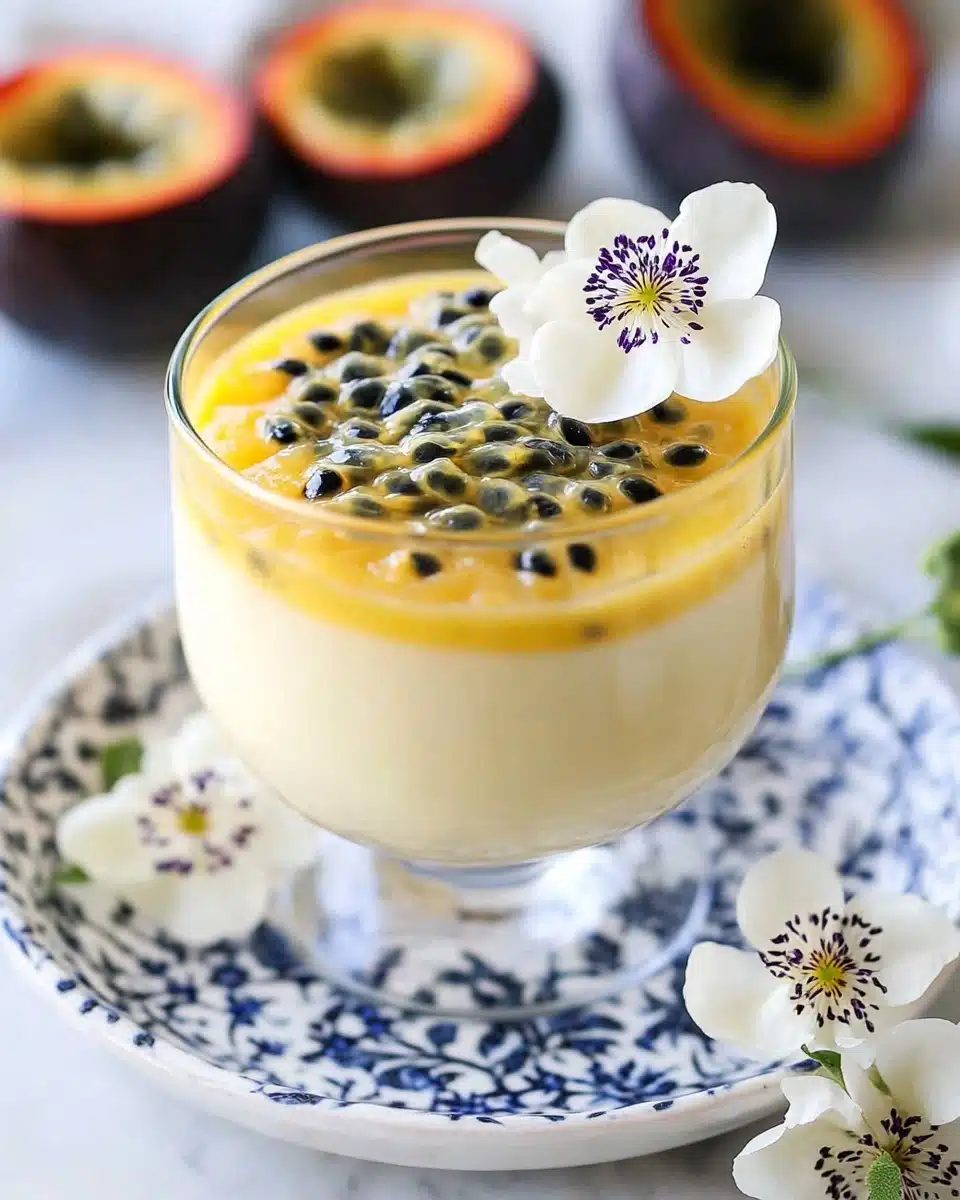
I’ve found that passion fruit is a great way to sneak in some vitamins and fiber without anyone even noticing. The fruit itself is packed with antioxidants and vitamin C, and the coconut milk adds healthy fats that keep you full longer. It’s the kind of dish that feels indulgent but isn’t heavy, so it works well for everyday eating or when you want to impress someone with a quick, elegant dessert. Plus, it’s naturally gluten-free and dairy-free if you make it that way, which makes it a great option for anyone with dietary preferences or restrictions. My family loves it as a refreshing dessert, but I also enjoy it as a light snack or even as a topping for yogurt or oatmeal. It’s that kind of recipe—simple, nutritious, and always a hit.
Passion Fruit and Tomato Flatbread
A vibrant, tangy flatbread infused with passion fruit and garlic, perfect for dipping or serving alongside fresh vegetables and hummus. This recipe is a must-try for any occasion.
🥘Ingredients
- 2 cups all-purpose flour
- 1 tsp salt
- 1 tsp olive oil
- 1 cup warm water
- 1 cup tomato sauce
- 1 ripe passion fruit, pulp removed
- 2 cloves garlic, minced
- 1 tbsp lemon juice
👨🍳Directions
-
1
Preheat oven to 425°F. In a bowl, mix flour, salt, and olive oil until combined. -
2
Gradually add warm water while stirring until a soft dough forms. Knead lightly for 2 minutes. -
3
Divide dough into 4 equal pieces. Roll each into a thin circle, about 1/8-inch thick. -
4
Place flatbreads on a baking sheet and bake for 8–10 minutes until edges are lightly golden. -
5
While baking, blend tomato sauce, passion fruit pulp, garlic, and lemon juice into a smooth sauce. -
6
Once flatbreads are done, pour sauce over them and let it soak in for 2 minutes.
🔧Equipment
- Mixing bowl
- Rolling pin
- Baking sheet
- Oven
📊Nutrition Facts (per serving)
📝Notes
Watch Video Of How Passion Fruit and Tomato Flatbread Works
❓ Frequently Asked Questions About Passion Fruit and Tomato Flatbread
1. What are the best ways to store passion fruit for maximum freshness?
Store whole passion fruits in a cool, dry place until ready to use. Once opened, scoop out the pulp and store it in an airtight container in the refrigerator for up to five days. Freezing the pulp works well too—it keeps for about three months and can be used in smoothies, desserts, or marinades.
2. Can I substitute another fruit for passion fruit in this recipe, and if so, what would work best?
If you’re looking for a similar tangy, slightly sweet flavor, try substituting lime zest or a mix of lime juice and a little orange zest. For texture, pineapple juice or mango pulp can add a tropical twist, though the flavor won’t be as distinct.
3. How do I know if passion fruit is ripe enough to eat?
Passion fruit is ripe when it’s slightly soft to the touch and gives a little when gently squeezed. The skin should be deep purple or black, and the aroma should be strong and sweet. Avoid fruits that are too hard or lack fragrance—they’re not fully ripe.
4. Why does the recipe call for a little sugar if passion fruit is naturally sweet?
A small amount of sugar (like in this recipe) helps balance the fruit’s natural acidity, making the flavor more harmonious in desserts or drinks. It also enhances the caramel notes in the passion fruit’s flesh, giving a smoother finish without overpowering the natural sweetness.
5. Is passion fruit safe for people with dietary restrictions, like gluten-free or lactose-free?
Yes, passion fruit is naturally gluten-free and lactose-free, so it’s safe for most dietary restrictions. If you’re concerned about allergies, check with your doctor—passion fruit is rare enough that reactions are uncommon, but some people may still experience mild sensitivities.
