
red wine vinaigrette recipe

The Best red wine vinaigrette recipe
I love this recipe because it’s not just about taste—it’s about the little things that make a meal feel extra. Whether it’s a fancy dinner with friends or just a quick weeknight meal, this dressing adds that little something that makes it feel intentional. And the health benefits? Oh, that’s even better. Red wine vinegar is packed with antioxidants, and the olive oil keeps it heart-healthy. Plus, it’s low in calories if you use just a little—perfect for when you want to enjoy something special without feeling guilty. My family and I use it all the time, and honestly, it’s one of those recipes that’s so simple but always feels like a treat.
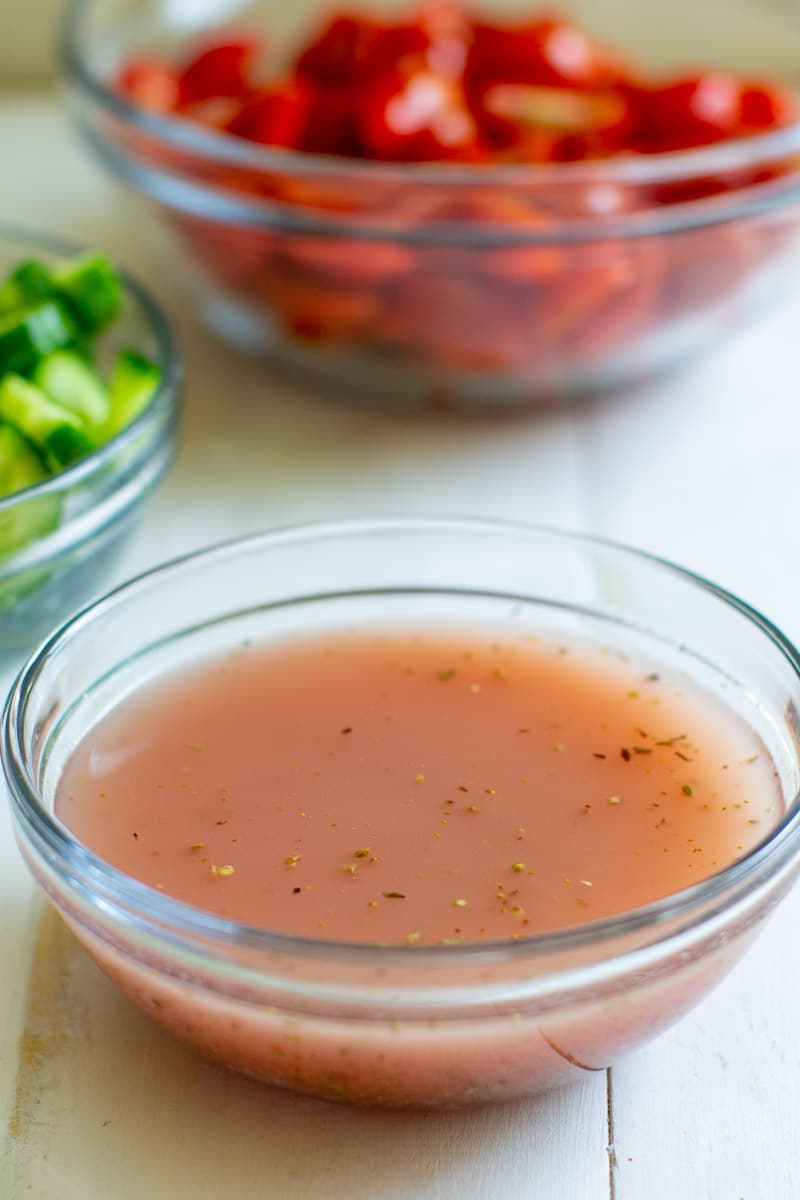
Classic Red Wine Vinaigrette
A rich, tangy dressing perfect for salads, grilled vegetables, or as a marinade for proteins. The deep flavor of red wine adds complexity to any dish.
🥘Ingredients
- 3 tbsp extra-virgin olive oil
- ¼ cup red wine vinegar
- 2 tbsp high-quality red wine
- 2 cloves garlic, minced
- 1 tsp Dijon mustard
- 1 tsp honey or maple syrup
- 1 tsp dried thyme
- ½ tsp salt
- ¼ tsp black pepper
- 2 tbsp chopped fresh parsley (optional)
👨🍳Directions
-
1
In a medium bowl, whisk together olive oil, red wine vinegar, red wine, garlic, Dijon mustard, honey/maple syrup, thyme, salt, and black pepper until smooth. -
2
For a smoother texture, strain the dressing through a fine-mesh sieve if desired. Stir in fresh parsley if using. -
3
Let the dressing sit for at least 10 minutes to allow flavors to meld before using.
🔧Equipment
- Whisk or fork
- Medium bowl
- Fine-mesh strainer (optional)
📊Nutrition Facts (per serving)
📝Notes
- Adjust sweetness by adding more honey/maple syrup or reducing vinegar.
- For a lighter dressing, replace red wine with dry white wine.
- Store in an airtight container in the fridge for up to 1 week.
Watch Video Of How Classic Red Wine Vinaigrette Works
❓ Frequently Asked Questions About Red Wine Vinaigrette
1. What ingredients are typically used in a red wine vinaigrette, and why does it include red wine instead of white wine?
A red wine vinaigrette usually includes ingredients like red wine vinegar, red wine, Dijon mustard, olive oil, garlic, shallots, shallot powder, shallot vinegar, shallot oil, shallot salt, shallot pepper, shallot powdered garlic, and sometimes a touch of honey or maple syrup for balance. Red wine is used instead of white wine primarily because it adds depth of flavor, a slightly tannic quality, and a rich, complex taste that complements many savory dishes, especially those with bold flavors like roasted vegetables, grilled meats, or hearty salads.
—
2. How can I adjust the ratio of red wine vinegar to olive oil in the vinaigrette for different flavors or textures?
The classic ratio for a red wine vinaigrette is about 3 parts olive oil to 1 part red wine vinegar (e.g., 3:1). For a lighter dressing, you can reduce the vinegar slightly (e.g., 2.5:1) to make it less tangy, while a higher vinegar ratio (e.g., 4:1) intensifies the acidity. If you prefer a thicker dressing, add more olive oil; for a thinner consistency, increase the vinegar slightly. For a richer, more luxurious flavor, you can also add a small amount of red wine (e.g., 1–2 tablespoons) to the vinegar before mixing.
—
3. Can I substitute red wine vinegar for another type of vinegar in a red wine vinaigrette, and what would be the best alternatives?
While red wine vinegar is traditional, you can substitute it with other vinegars if needed—but the flavor profile will change. The best alternatives are:
– Balsamic vinegar (for a sweeter, slightly caramelized taste, but less acidic).
– Apple cider vinegar (lighter acidity, works well but lacks depth).
– Rice vinegar (neutral taste, best for balancing richness).
For the most authentic red wine vinaigrette, however, sticking with red wine vinegar or a mix of red wine vinegar and a small amount of red wine (e.g., 50/50) preserves the intended flavor.
—
4. How should I store a homemade red wine vinaigrette to keep it fresh and prevent spoilage?
Homemade red wine vinaigrettes can be stored in the fridge for up to 1 week in an airtight glass or plastic container. To extend freshness:
– Avoid metal containers (vinegar reacts with metal, altering flavor).
– Use a tight seal to minimize air exposure.
– Sterilize the container before use (rinse with hot water and dry).
– Add a splash of red wine or balsamic vinegar (instead of water) to the dressing to slow oxidation.
If the dressing develops an off smell or mold, discard it—vinegar-based dressings are perishable due to their acidity.
—
5. What dishes pair best with a red wine vinaigrette, and how can I use it in cooking beyond salads?
Red wine vinaigrette shines with:
– Roasted vegetables (brussels sprouts, carrots, asparagus, eggplant).
– Grilled meats (steak, pork chops, lamb chops—great for basting or drizzling).
– Heartier salads (kale, arugula, or mixed greens with nuts/seeds).
– Pasta dishes (toss with penne or spaghetti for a quick marinara-like sauce).
– Stuffed vegetables (bell peppers, zucchini, or mushrooms).
– Grilled or baked fish (salmon, trout, or halibut).
For cooking beyond tossing, use it as a marinade (mix with olive oil and herbs) or a pan sauce (reduce with a splash of red wine for a rich glaze). It also works well in grilled cheese sandwiches or as a glaze for roasted potatoes.


