
tuna cakes recipe

The Best tuna cakes recipe
What really makes these tuna cakes special is how adaptable they are. You can make them for a casual family dinner or pack them for a picnic, and they’ll always be a hit. They’re also surprisingly healthy for what they are—lean protein from the tuna, fiber from the whole wheat breadcrumbs, and a good dose of vitamins from the vegetables. My husband and I have enjoyed them as part of a balanced meal, especially when we’re meal prepping for the week, because they keep well in the fridge and reheat nicely. And let’s be honest, they’re not just for kids anymore. I’ll still grab a couple for myself when I’m craving something light but satisfying, and my husband always says they’re a great way to use up any leftover fish or canned tuna. It’s a recipe that’s simple enough to impress at a potluck but simple enough to make every day.
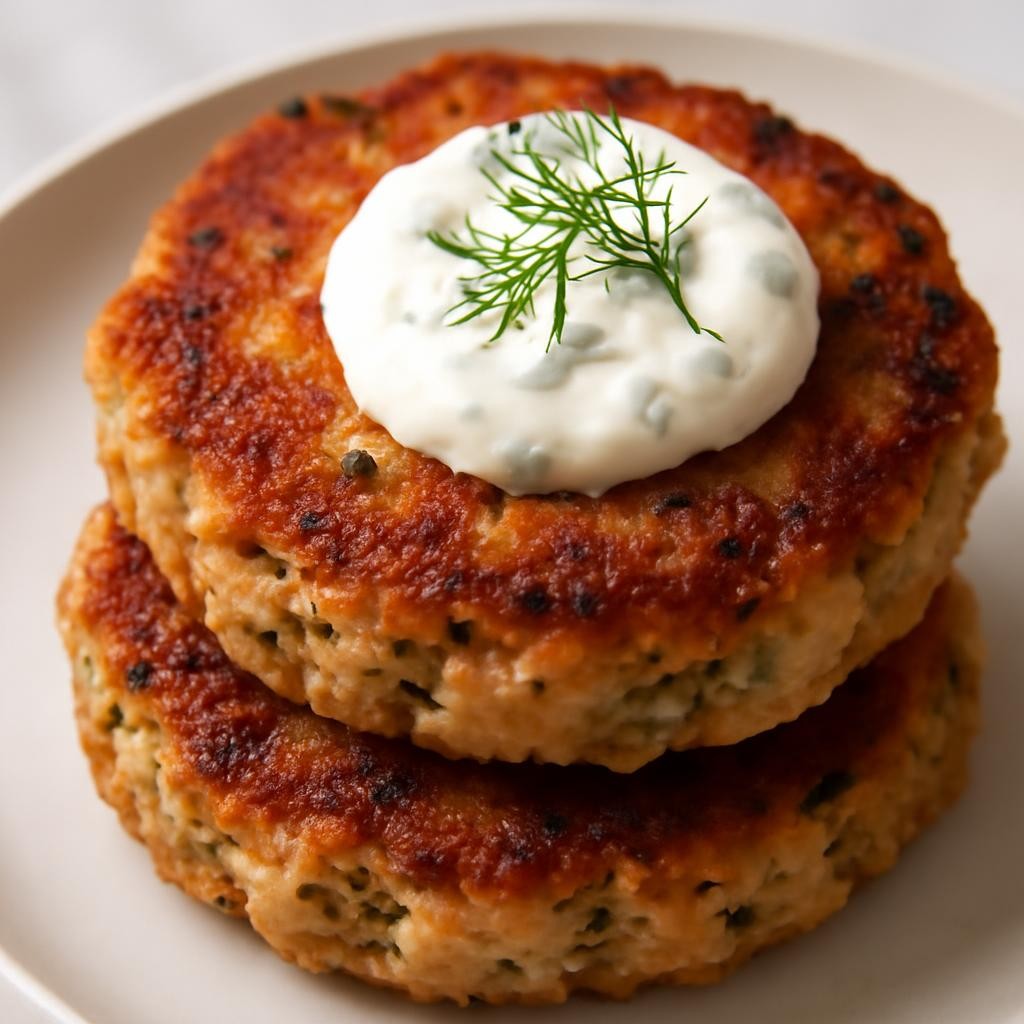
Classic Tuna Cakes
A simple and flavorful dish featuring tender tuna cakes, perfect for a quick meal or appetizer. Packed with protein and lightly seasoned for a satisfying bite.
🥘Ingredients
- 1 lb (450g) canned tuna in water, drained
- 1 large egg
- 1/2 cup mayonnaise
- 1/4 cup finely chopped celery
- 1/4 cup finely chopped red onion
- 1 tsp Worcestershire sauce
- 1/2 tsp black pepper
- 1/2 tsp garlic powder
- 1/2 cup all-purpose flour
- 1/4 tsp salt
- 1/2 cup ketchup
- 1 tbsp Dijon mustard
- 1 tbsp honey
- 1 tbsp apple cider vinegar
- 1 tsp smoked paprika
👨🍳Directions
-
1
Preheat oven to 400°F (200°C) or use a non-stick pan for frying. In a large bowl, combine drained tuna, egg, mayo, celery, red onion, Worcestershire sauce, black pepper, garlic powder, and salt. Mix well. -
2
Gradually add flour to the mixture, stirring until a thick batter forms. If using, blend the mixture briefly in a food processor for a smoother texture. -
3
Preheat a non-stick pan over medium heat and lightly grease with oil. Drop spoonfuls of batter into the pan, flattening slightly. Cook for 3-4 minutes per side until golden brown. -
4
For baking: Place cakes on a baking sheet lined with parchment paper. Bake for 15-20 minutes or until golden and cooked through. For frying, cook for 2-3 minutes per side until crispy. -
5
While cakes cook, mix ketchup, Dijon mustard, honey, apple cider vinegar, and smoked paprika in a small bowl to make the sauce. -
6
Serve warm tuna cakes with the homemade sauce on the side.
🔧Equipment
- Mixing bowls
- Measuring cups and spoons
- Food processor or mixer (optional)
- Baking sheets
- Oven
- Non-stick pan (for frying, optional)
📊Nutrition Facts (per serving)
📝Notes
Tips
- For extra crispiness, press down gently on cakes while cooking.
- Substitute tuna with smoked salmon or sardines for a different flavor profile.
- Use whole wheat flour for a lower-carb option.
- Serve with additional fresh herbs like dill or parsley for garnish.
Variations
- Add diced bell peppers or mushrooms to the tuna mixture for extra texture.
- Mix in a spoonful of Greek yogurt for a lighter, creamier texture.
Watch Video Of How Classic Tuna Cakes Works
❓ Frequently Asked Questions About Tuna Cakes
1. What is the best way to store leftover tuna cakes to keep them fresh longer?
Leftover tuna cakes can be stored in an airtight container in the refrigerator for up to 3 days. For longer storage, freeze them in a single layer on a baking sheet first, then transfer to a freezer bag or container. Once frozen, they keep for about 2-3 months. To reheat, you can either warm them in the oven at 350°F (175°C) for about 10-15 minutes or microwave them for 30-60 seconds.
—
2. Can I substitute any ingredients in the tuna cakes recipe, and if so, which ones?
Yes, you can make some substitutions in the tuna cakes recipe. For example:
– Tuna: Use fresh or canned tuna, but ensure it’s high-quality and drained well. If using canned tuna, rinse it thoroughly to remove excess salt.
– Flour: You can replace all-purpose flour with whole wheat flour or a mix of all-purpose and whole wheat. For a gluten-free version, use a gluten-free flour blend.
– Eggs: Omit eggs if you prefer a vegan version and replace them with 2 tbsp of flaxseed meal mixed with 6 tbsp water (let it sit for 5 minutes to thicken).
– Mayonnaise: Swap mayo for Greek yogurt or avocado purée for a lighter texture.
– Seasonings: Adjust salt, pepper, or herbs to taste, but avoid overdoing it since tuna can be salty.
—
3. How can I make tuna cakes more flavorful without adding extra calories?
Enhancing flavor without extra calories can be done in several ways:
– Fresh Herbs: Add finely chopped parsley, dill, or chives for a bright, fresh taste.
– Citrus Zest: A pinch of lemon or orange zest adds brightness and freshness.
– Garlic & Ginger: Use minced garlic (just a tiny bit) and a small amount of grated fresh ginger for depth.
– Spices: A pinch of smoked paprika, cayenne pepper, or Old Bay seasoning can add warmth and complexity.
– Acid Balance: A squeeze of vinegar (like apple cider or white) or a dash of lemon juice can cut through the richness of the mayo.
– Umami Boost: Add a tiny bit of soy sauce or Worcestershire sauce for savory depth.
—
4. Why do my tuna cakes turn out dense or crumbly, and how can I fix it?
Several factors can cause tuna cakes to be dense or crumbly:
– Overmixing: Mixing too much develops gluten, leading to a tough texture. Use a gentle hand—only combine wet and dry ingredients until just combined.
– Too Much Liquid: If the batter is too wet, the cakes may spread or become gummy. Ensure the mayo and egg are room temperature and adjust with a bit more flour if needed.
– Underbaking: If they’re not cooked through, they’ll be soft or crumbly. Check for doneness at 160°F (71°C) internal temperature.
– Old or Poor-Quality Tuna: Fresh or high-quality tuna holds together better. If using canned tuna, drain it well and rinse to remove excess salt.
– Too Much Flour: If you add more than the recipe suggests, the cakes may turn out dry or crumbly. Stick to the measurements or adjust gradually.
To fix:
– For dense cakes: Let them cool slightly before slicing and reheat gently (oven or microwave).
– For crumbly cakes: Add a tiny bit more flour or cornstarch (1 tsp at a time) if they’re too dry, then bake again.
—
5. Are there any dietary restrictions or allergies to be aware of when making tuna cakes?
Tuna cakes can pose dietary restrictions or allergies for some individuals:
– Fish Allergies: If someone is allergic to fish (including tuna), they should avoid this recipe entirely.
– Dairy Restrictions: The recipe contains mayo, which is typically dairy-based. For a dairy-free version, substitute with avocado mayo (blended avocado + lemon juice + salt) or dairy-free mayo.
– Gluten Sensitivity: The recipe uses flour, which may not be suitable for those with gluten sensitivity or celiac disease. Use a gluten-free flour blend instead.
– Egg Allergies: If someone is allergic to eggs, omit them or replace them with a flax egg (1 tbsp ground flaxseed + 3 tbsp water per egg).
– Soy Allergies: Worcestershire sauce or soy sauce in the seasoning can be problematic for those with soy allergies. Substitute with a soy-free alternative like a bit of tomato paste or extra lemon juice.
– High Cholesterol: Traditional tuna cakes are high in cholesterol due to the eggs and mayo. For a lower-cholesterol version, reduce eggs to 1 or omit them and use a lighter mayo.

