
easy tom yum soup recipe


The Best easy tom yum soup recipe
Tom yum soup has been on my weekly rotation for a few years now, and it started out of pure laziness. I wanted something warm and full of flavor on a Tuesday night without spending an hour at the stove, so I threw lemongrass, ginger, lime, and shrimp into a pot and called it dinner. It came together in about thirty minutes and tasted like something I would have paid for at a restaurant. That was it for me. Now I keep the ingredients on hand so I can make it whenever the week gets busy and I do not have a real plan for dinner.
My kids were skeptical the first time because of the chilies, so I started pulling their bowls out before I added heat and letting them squeeze their own lime on top. My husband likes his with extra chili paste and a pile of mushrooms. My oldest asks for it whenever she has a sore throat, which honestly surprised me because she is a picky eater about most things. Everybody builds their own bowl at the table now, and that has made it the easiest dinner to serve in my house.
I like it because it is a lighter soup that still feels like a full meal. It is broth based instead of creamy, so it works on a weeknight, and it works just as well when I have people over and want something that looks like I tried harder than I did. The lemongrass and ginger make it feel soothing on a cold day or when someone in the house is stuffed up. I am not going to claim it does anything magical, but a hot bowl of broth with lime and ginger in it always makes me feel better, and that is enough of a reason for me to keep making it.
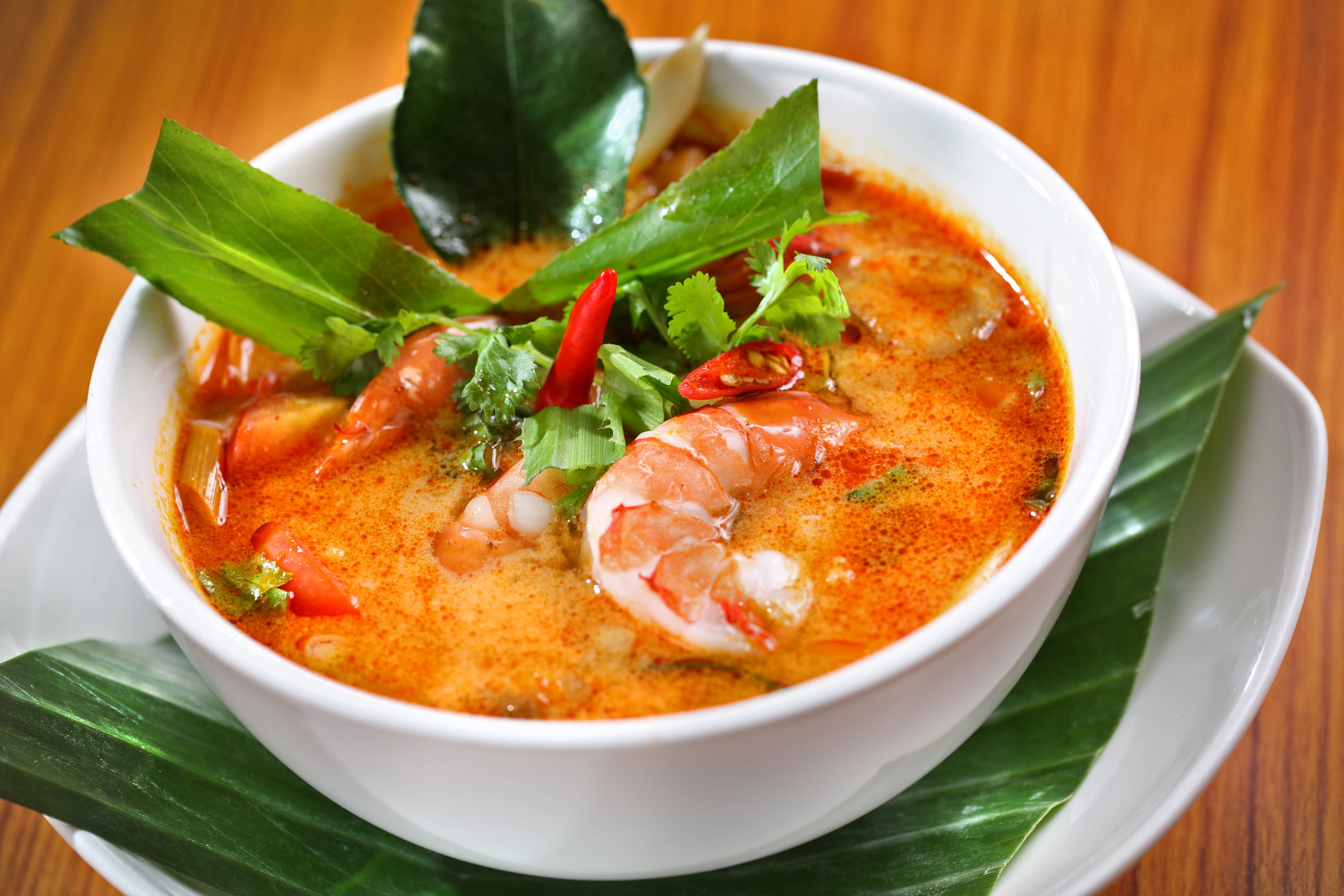
Easy Tom Yum Soup
Tom yum is Thailand’s hot-and-sour soup, and this weeknight version gets you there with a handful of pantry staples and a quick simmer. Lemongrass, galangal, and lime leaves scent the broth while mushrooms, tomatoes, and shrimp make it a full meal.
🥘Ingredients
For the Broth
For the Soup
For Serving
👨🍳Directions
🔧Equipment
📊Nutrition Facts (per serving)
📝Notes
Watch Video Of How Easy Tom Yum Soup Works
This tom yum soup is the recipe I keep coming back to because it comes together fast on a weeknight and still feels special enough for a family gathering. Everyone can ladle it over their own rice or noodles and add as much heat as they like, which keeps my picky eaters and my spice lovers happy at the same table. I make it for birthdays, Sunday dinners, and those nights when I just want something warm and bright without a lot of fuss.
❓ Frequently Asked Questions About Tom Yum Soup
1. What gives tom yum soup its sour and spicy flavor?
The sourness comes from lime juice and sometimes tamarind, while the heat comes from fresh chilies or chili paste. Lemongrass, galangal, and lime leaves build the aromatic base that makes the broth taste distinctly tom yum. Add the lime juice near the end of cooking so its brightness doesn’t cook off.
2. Can I make this soup with chicken or vegetables instead of shrimp?
Yes. Chicken thigh sliced thin works well and needs about five to seven minutes of simmering to cook through. For a vegetable version, use mushrooms, baby corn, and cherry tomatoes, and swap the fish sauce for soy sauce. If you go meatless, check that your chili paste doesn’t contain shrimp paste.
3. What can I use if I can’t find galangal or lime leaves?
Fresh ginger is the closest everyday stand-in for galangal, though it tastes sharper and less citrusy. Lime zest can replace lime leaves in a pinch, but add it sparingly since the oil is intense. Lemongrass is harder to substitute, so use it if you can find it, even frozen or in paste form.
4. Is tom yum soup spicy, and how do I control the heat?
It ranges from mild to very hot depending on the chilies and paste you use. For a gentler broth, use fewer fresh chilies, remove the seeds, or start with a smaller spoonful of chili paste and taste as you go. Adding coconut milk softens the burn and turns it into a creamier tom yum.
5. How should I store and reheat leftover tom yum soup?
Cool the soup quickly, then refrigerate it in a sealed container for up to three days. Reheat gently on the stovetop over low heat until it just simmers, since boiling toughens seafood and dulls the lime flavor. If you’re planning ahead, cook the shrimp separately and add it when reheating, and squeeze in fresh lime juice before serving.
