
how to make pie crust recipe


The Best how to make pie crust recipe
Making a perfect pie crust from scratch is a skill that every home baker should have in their repertoire. There’s something incredibly satisfying about creating a flaky, golden crust that complements any filling, whether it’s a classic apple pie or a savory quiche.
I remember the first time I made a pie crust; it was for my family’s annual Thanksgiving dinner. My kids were amazed at how the simple combination of flour, butter, and water transformed into something so delicious.
Since then, making pie crust has become a tradition in our home, and I often find myself whipping up a batch for Sunday dinners or family gatherings. The best part is that it’s not just delicious but also versatile.
You can use it for sweet or savory pies, tarts, and even as a base for galettes. Plus, it’s a great way to control the ingredients and avoid any preservatives or additives found in store-bought crusts.
Pie crust is also a fantastic way to incorporate whole grains into your diet. Using whole wheat flour instead of all-purpose flour adds a nutritional boost without compromising on taste..
This recipe is a tried and true method that I’ve perfected over the years, and I’m excited to share it with you today. It’s simple, reliable, and always a hit with my family and friends.
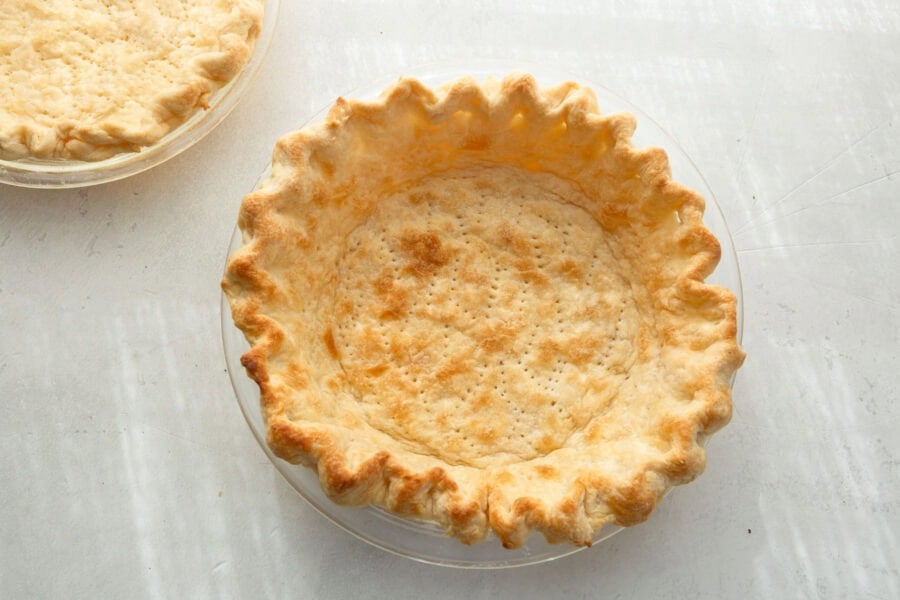
Flaky Pie Crust Recipe
This classic pie crust recipe is perfect for sweet or savory pies. It’s flaky, buttery, and incredibly easy to make.
🥘Ingredients
For the Dough
👨🍳Directions
🔧Equipment
📊Nutrition Facts (per serving)
📝Notes
This pie crust recipe is a versatile and delicious base for any pie. It’s perfect for both sweet and savory fillings and can be made ahead of time, making it an excellent choice for busy bakers. I always keep a stash of the dough in the fridge for when I get a craving to bake.
You can keep the dough in the refrigerator for up to 3 days or freeze it for up to 3 months. When you’re ready to use it, simply thaw it in the refrigerator overnight and roll it out as directed. This pie crust recipe is always a good idea for any occasion, from family gatherings to holiday celebrations.
It’s a great way to impress your guests with homemade pies and is sure to be a hit with family and friends. The flaky, buttery crust pairs perfectly with any filling, making it a staple in my kitchen. The best part is that you can customize it to your liking, whether you prefer a classic butter crust or a whole wheat option.
It’s a recipe that you can always count on for delicious results.
❓ Frequently Asked Questions About Flaky Pie Crust
1. Can I use a food processor to make the dough?
Yes, you can use a food processor to make the dough. Pulse the flour, salt, and sugar in the food processor, then add the butter and pulse until the mixture resembles coarse crumbs. Add the water through the feed tube and pulse until the dough just comes together. Be careful not to overprocess the dough, as this can make the crust tough.
2. Can I make the dough ahead of time?
Yes, you can make the dough ahead of time and refrigerate it for up to 2 days or freeze it for up to 3 months. Thaw the dough in the refrigerator overnight before using.
3. Why is my dough too crumbly or too sticky?
If your dough is too crumbly, it may need more water. Add a bit more water, one tablespoon at a time, until the dough comes together. If the dough is too sticky, add a bit more flour, one tablespoon at a time, until the dough is slightly crumbly but holds together when pressed.
4. Can I use margarine instead of butter?
While you can use margarine instead of butter, the flavor and texture of the crust may be affected. Butter provides a rich, buttery flavor and helps create a flaky texture. If you must use margarine, choose a non-hydrogenated variety and ensure it’s cold before using.
5. Why do I need to rest the dough in the refrigerator?
Resting the dough in the refrigerator allows the gluten to relax and the butter to firm up, making the dough easier to roll out. This step also helps prevent the crust from shrinking during baking. Additionally, chilling the dough can enhance the flavor by allowing the ingredients to meld together.

